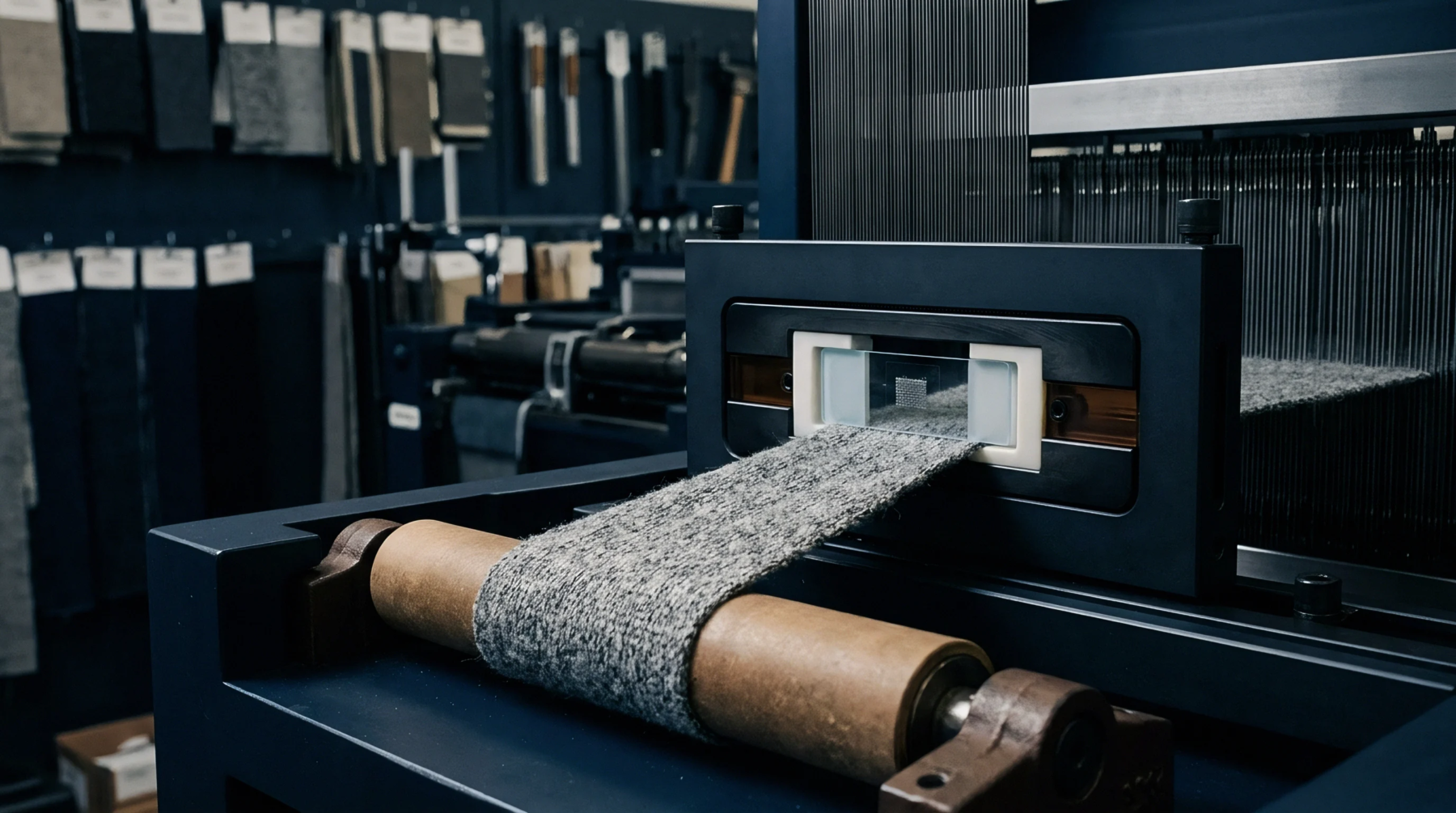
Enclosure Design
Standardized laboratory equipment holds test specimens in a low-humidity atmosphere to establish a uniform dry baseline before final testing. Operating a preconditioning chamber removes excess moisture from fabric samples that have been exposed to high-humidity storage conditions. It prepares the textile structure so that all specimens approach equilibrium from the same moisture direction.
Atmosphere Control
Heating and dry-air circulation are used to lower the relative humidity inside the workspace to between ten and twenty-five percent. In the preconditioning chamber, the temperature remains between forty and fifty degrees Celsius to facilitate gentle moisture evaporation without damaging heat-sensitive synthetic fibers. This control prevents the fiber hysteresis effect from compromising the physical test results.
Specimen Preparation
Samples remain in the dry air flow for at least four hours to ensure thorough drying before they are moved to the standard testing room. This phase in the preconditioning chamber is essential for natural fibers like cotton and wool, which absorb moisture readily and display variable weight when damp. By standardizing the moisture history of the material, laboratories produce consistent tensile, tearing, and weight measurements across different seasons and geographic locations.
Measurement Accuracy
Quality assurance managers rely on this drying step to secure reproducible test data for export shipments. Without the preconditioning chamber, a single batch of yarn could return different thickness and strength metrics depending on the weather conditions of the testing day. This verification ensures that laboratory reports match the contract specifications.