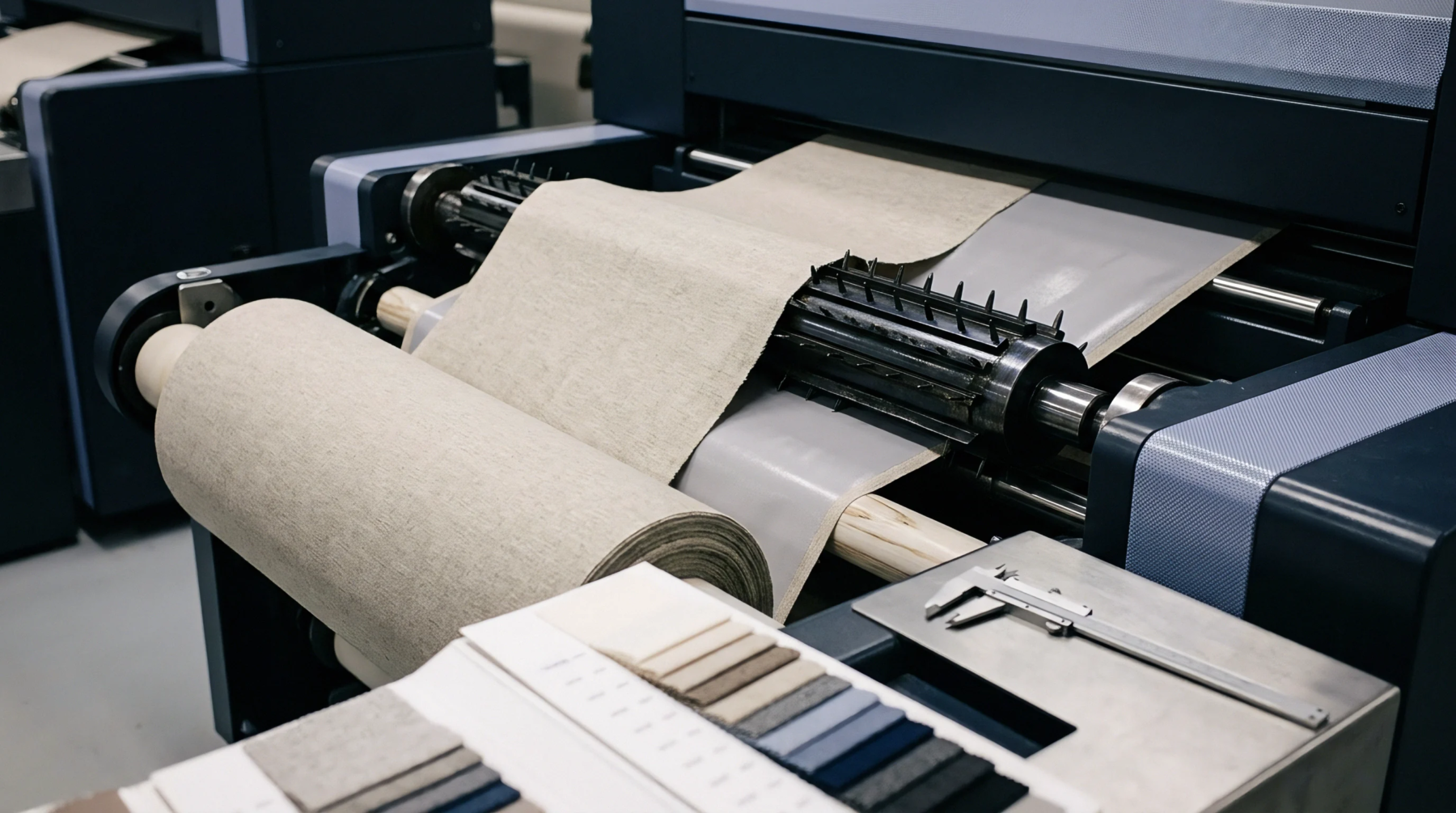
Dyeing Chemistry
Chemical printing bonds soluble dyes to cellulosic fibers through a covalent reaction under alkaline conditions. This reactive dye printing creates a print that becomes part of the fiber itself. The result is a print with high fastness.
Fixing Step
Fixation requires steam and alkali to trigger the chemical reaction between the dye and the cellulose. After applying the paste, the fabric is passed through a steamer where the high temperature activates the dye molecules. In reactive dye printing, the steam moisture is critical to swell the fiber and allow the dye to penetrate.
This step must be carefully controlled to prevent the dye from bleeding and to ensure consistent color yields across the entire run.
Washing Process
Washing is required after steaming to remove unfixed dye and thickeners from the printed fabric. If the washing is incomplete, the remaining dye will cause staining during subsequent home washes. This is a common quality issue in low-cost print mills.
The wash water must be checked to ensure it runs clear.
Final Quality
The finished print has excellent bright colors and outstanding wash durability compared to pigment prints. Because the dye is chemically bonded to the fibers, the fabric retains its natural drape and soft feel. This makes reactive dye printing the preferred choice for high-end fashion and home textiles.