Atmospheric Instability
Ambient moisture variations occurring within manufacturing and testing environments alter the moisture regain and physical dimensions of hygroscopic textile materials. In commercial yarn spinning, weaving, and laboratory assessment, relative humidity fluctuations cause instability in fabric mass per unit area, tensile strength, and electrostatic dissipation. Natural fibres, particularly cotton and wool, absorb or desorb water molecules rapidly in response to surrounding air conditions, altering their mechanical properties.
Synthetic polymers with low moisture regain exhibit fewer mass changes but suffer from static accumulation when humidity drops. The condition stops altering test results only when materials reach complete moisture equilibrium inside tightly controlled conditioning chambers.
Hygroscopic Response
Regain dynamics govern yarn processing behavior and loom efficiency across seasonal cycles. When relative humidity fluctuations occur on weaving floors, cotton yarns dry out, losing tensile strength and increasing warp breakage rates during high-tension shed openings. Conversely, excessively high humidity softens yarn sizing agents, causing sticky loom stops and reed contamination.
Cellulosic fabrics expand or contract across their planar dimensions as ambient moisture changes, creating width instability during continuous finishing and cutting. Physical fabric mass varies proportionally with moisture uptake, complicating commercial weight verification during trade transactions.
Testing Rigour
Physical testing laboratories maintain strict atmospheric control at standard conditions of sixty-five percent relative humidity and twenty degrees Celsius. Uncontrolled relative humidity fluctuations during tear, tensile, or bursting strength evaluations produce unrepeatable and non-comparable test reports across testing facilities. Cotton exhibits increased tensile strength as moisture content rises, while regenerated cellulosic fibres such as viscose lose significant tenacity when damp.
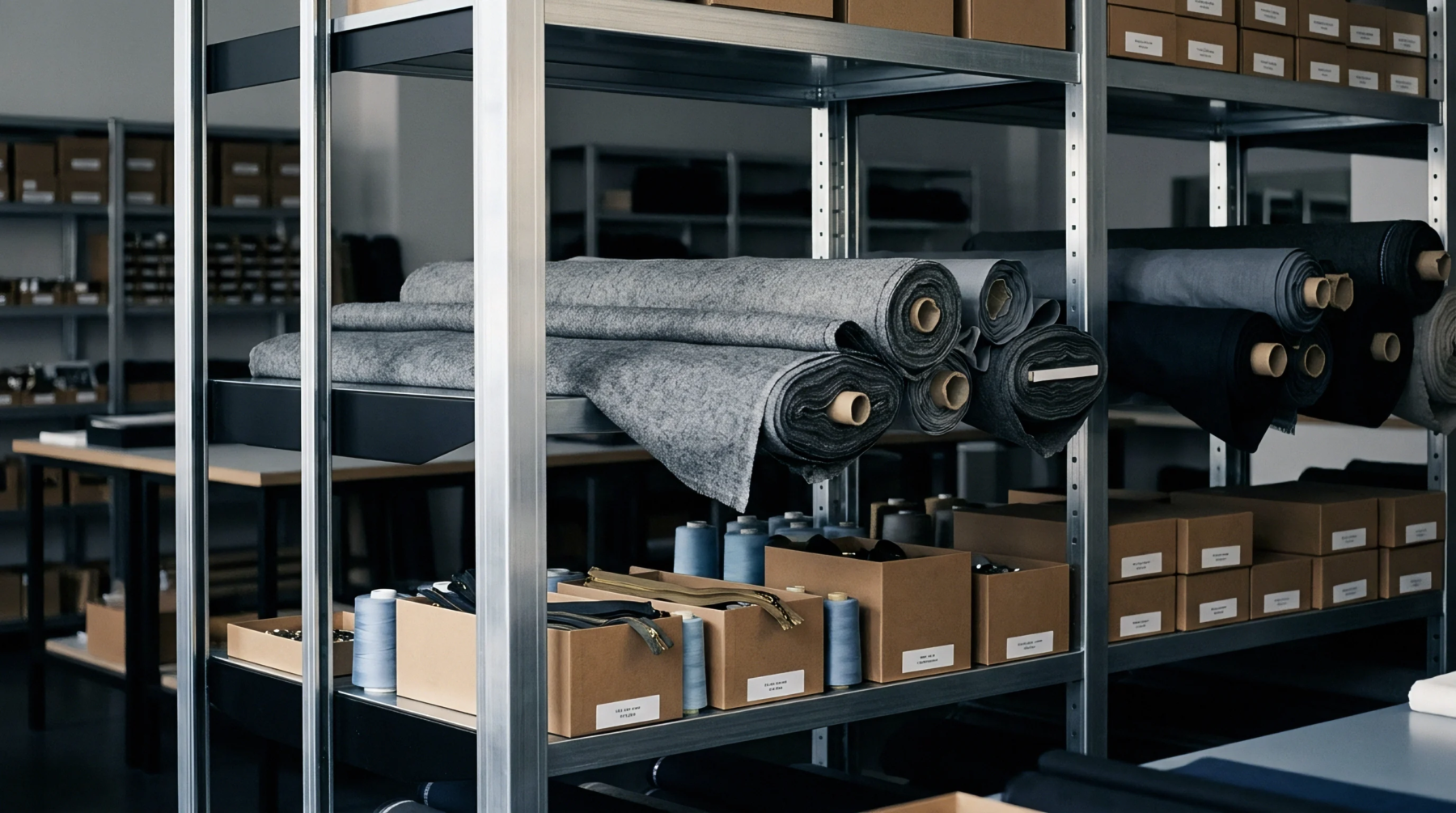
Conditioning fabrics for twenty-four hours on open racks eliminates historical atmospheric variations prior to commercial compliance testing. Calibrated psychrometers and continuous electronic data loggers record room conditions to validate laboratory integrity.
Production Mitigation
Modern production facilities integrate automated industrial humidification systems paired with centralized air conditioning to maintain stable processing bands. Automated sensor arrays monitor relative humidity fluctuations across spinning, winding, and weaving departments to trigger high-pressure water fogging or desiccant dehumidification. Stable ambient moisture levels suppress airborne lint generation, reduce static cling during high-speed knitting, and maintain consistent roll lengths during final packaging.