Twist Mechanics
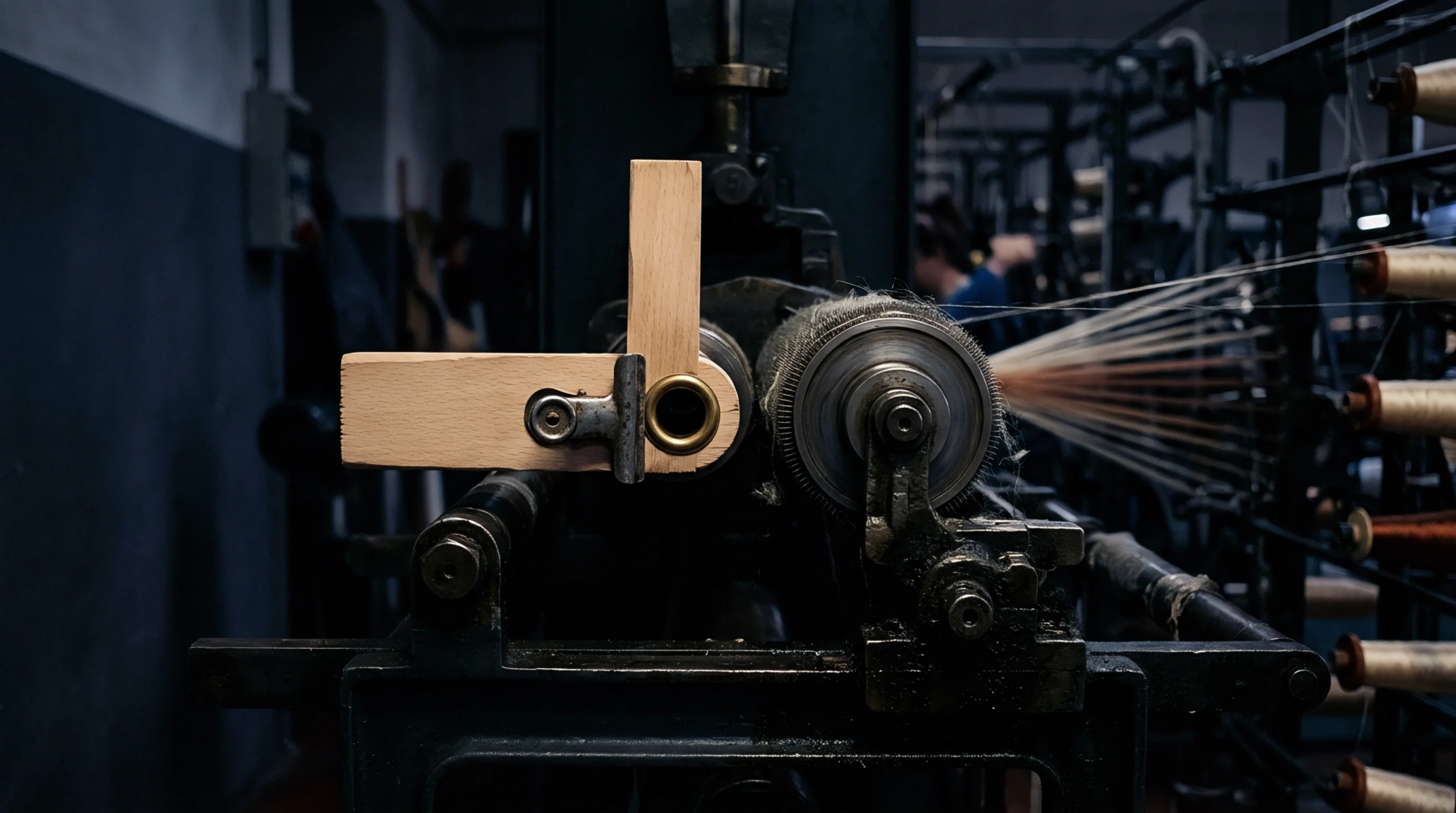
A mechanical configuration within industrial spinning equipment dictates the final physical properties of a cotton yarn produced through the continuous drawing and rotating of fibre strands. Manufacturers utilize ring spun cotton yarn to achieve higher tensile strength and a smoother hand feel compared to alternative open end methods. Mechanical friction between the traveller and the ring allows the insertion of precise twist counts per inch during the conversion process.
Cotton fibres undergo a constant drafting stage where rollers attenuate the roving into a uniform diameter before the rotating spindle imparts the necessary torque. The resulting density provides durability for high quality garment construction. Precise control over these internal rotation speeds regulates the tenacity of the final product.
Production Logic
This technical arrangement requires an individual process for each spinning position on the frame which limits throughput speed but increases structural integrity. Factories operate these frames with significant power consumption to maintain the velocity of the rotating rings. Fibres align along the longitudinal axis of the yarn during the drafting phase to minimize surface protrusion.
The reduction in hairiness creates a cleaner aesthetic for finished apparel pieces. High quality long staple varieties perform better under the mechanical strain of the ring system. Operators monitor for ends down events because a break necessitates a manual knotting of the supply strand.
Yarn characteristics remain consistent across the package length due to the stability of the stationary drafting rollers. Variations in humidity levels inside the spinning room influence the coefficient of friction and modify the yarn tension.
Quality Verification
Textile laboratories assess the performance of ring spun cotton yarn by measuring mass variance and tenacity under controlled atmospheric conditions. Testing equipment quantifies the thin and thick places along the structure that originate from improper drafting or fibre slippage. Technicians observe the number of imperfections per unit length to assign an appropriate grade for downstream weaving or knitting operations.
A lower coefficient of variation indicates superior processing consistency at the mill. Standard protocols rely on constant rate of extension instruments to evaluate breaking load. Differences in fibre length distribution alter the response of the material to mechanical stress.
Laboratory results dictate the suitability of specific batches for high tension applications such as warp yarns.
Procurement Constraint
Purchase specifications for ring spun cotton yarn mandate an identification of the linear density and the direction of the twist to ensure compatibility with existing fabric construction standards. Factories must verify that the fibre source aligns with the required micronaire for the target fineness. Supply chain managers examine the coefficient of hairiness because this attribute influences the subsequent dyeing affinity of the knitted goods.
Consistency in the twist multiplier prevents spirality in the final circular knit structure after the laundering phase. Buyers confirm that the package weight meets the capacity requirements of the warping creel. Proper calibration of the roving feed ensures the final yarn density remains uniform across disparate production lots.
A higher ratio of twist creates a firmer hand but impacts the drape of the completed fabric.