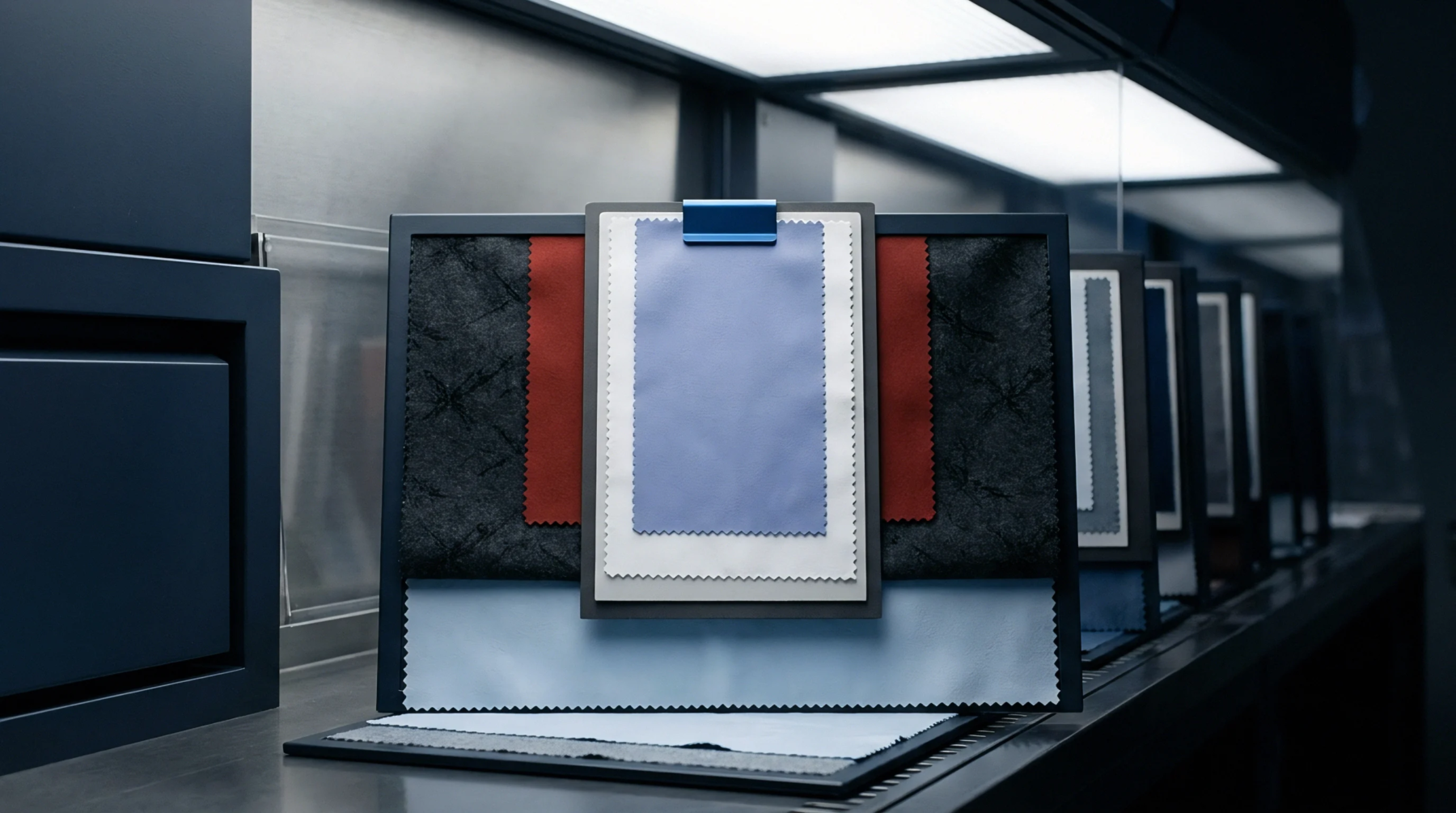
Quality Boundary
The maximum allowable color difference between a production batch and the master standard defines the threshold for shipment approval. In garment manufacturing, establishing a shade clearance tolerance ensures that color variations across multiple fabric rolls remain invisible to consumers. This boundary is negotiated and signed into contract before bulk production begins.
Numeric Thresholds
Spectrophotometric color difference units, typically using the CMC or CIE2000 formula, define the exact limits. For high-visibility panels or critical garments like matching suit jackets and trousers, the limit is often set below zero point six delta E. For less critical items like internal linings or sportswear, the threshold can be expanded to one point zero delta E. When the spectrophotometer records a value below this limit, the roll is cleared for shipping to the cutting room. This numeric approach removes the subjective disagreements that often occur when human inspectors rely solely on visual checks in a light box.
Factory Execution
Dyehouses use these strict boundaries to schedule their dye runs and adjust recipe strengths. If a yarn batch lies close to the boundary, it may be blended with other runs to distribute the variation.
Exceeded Margins
When a dyed batch falls outside the allowed limits, the mill must either strip and redye the fabric or seek a special waiver from the buyer. This usually results in delivery delays or price discounts for the affected shipment.