Material Durometer
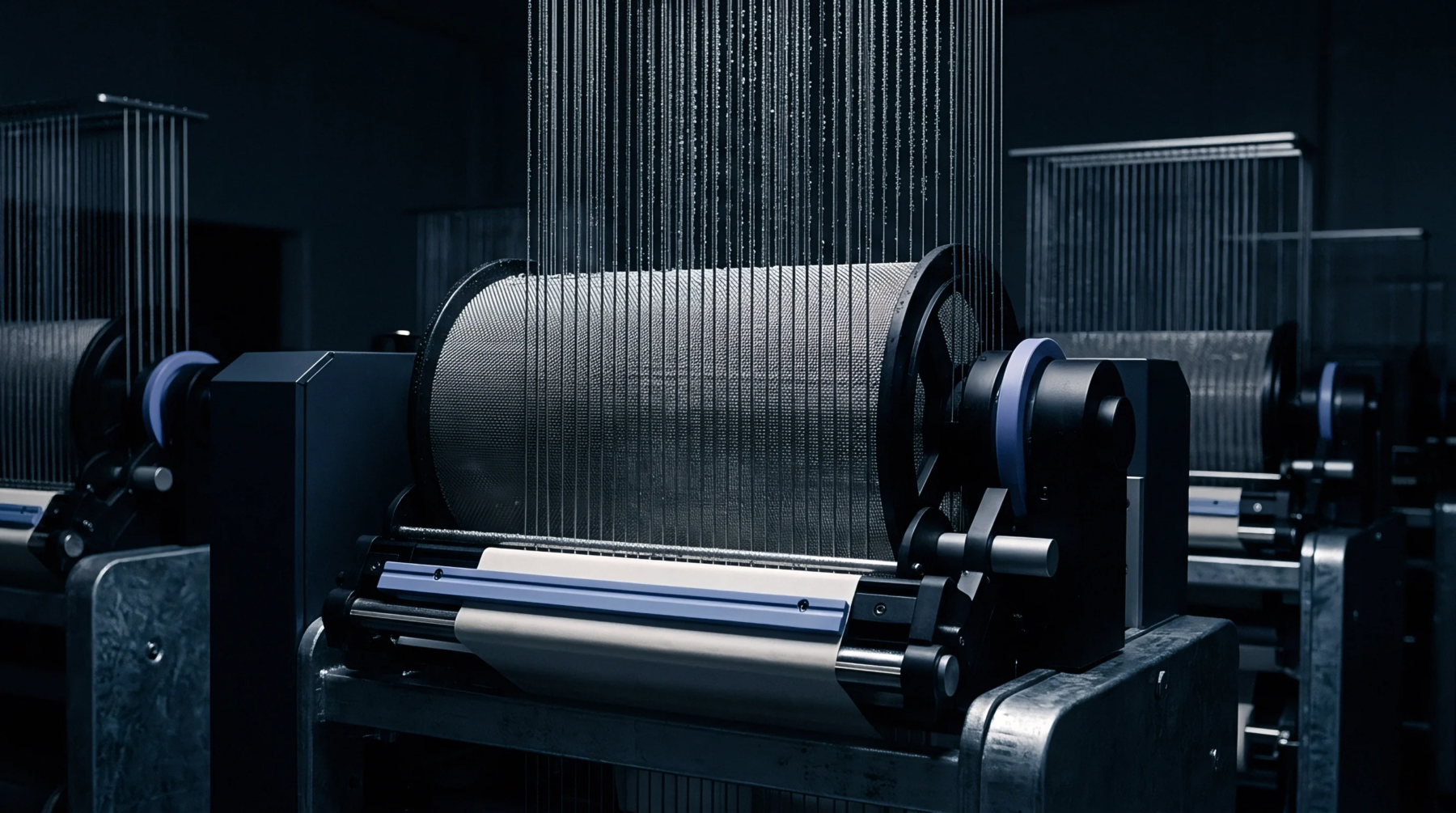
Calibrated spring pressure against a rubber surface determines the flexibility and resilience of industrial roller covers. Accurate shore a roll hardness ratings ensure that the nip pressure in a padding mangle or a calendering machine remains uniform across the entire width of the fabric. The test uses a calibrated spring-loaded pin to measure how deep a point penetrates the material surface.
Indentation Resistance
Variations in the density of the roller covering can cause uneven moisture removal or inconsistent chemical pick-up in the dye house. Monitoring shore a roll hardness allows maintenance teams to identify when a roller needs regrinding or replacement due to hardening or thermal degradation. A reading that is too high might cause fabric crushing, while a reading that is too low could result in poor drainage and excessive energy use in the drying ovens.
Operational Surface
Readings are typically taken at several points along the length of the roller to check for a consistent profile.
Wear Correlation
Longevity of the roller cover depends on its ability to maintain a stable hardness under the heat and pressure of a continuous production environment. Since shore a roll hardness is a non-destructive test, it can be performed during routine downtime without removing the roller from the machine. Maintaining the correct hardness level prevents the premature failure of the covering and ensures the fabric finish remains consistent with the buyer specifications.