Tensile Capacity
Yarn strength determines the mechanical performance of both knit and woven fabrics during manufacturing and consumer use. The single yarn breaking force is the maximum tensile load required to rupture a single strand of yarn in a standard pull test. This value represents the fundamental limit of the yarn’s weight-bearing ability and serves as a primary metric for structural integrity.
Measurement Process
Standardized mechanical tests use constant-rate-of-extension instruments to apply a continuous pull on a clamped specimen until it breaks. When measuring the single yarn breaking force, the testing machine records the peak tension in newtons or grams-force at the moment of failure. The specimen must be pre-conditioned in a standard atmosphere of 20 degrees Celsius and 65 percent relative humidity to ensure that moisture content does not affect the results.
Multiple specimens from different packages are tested to calculate a reliable average value that represents the batch.
Weaving Performance
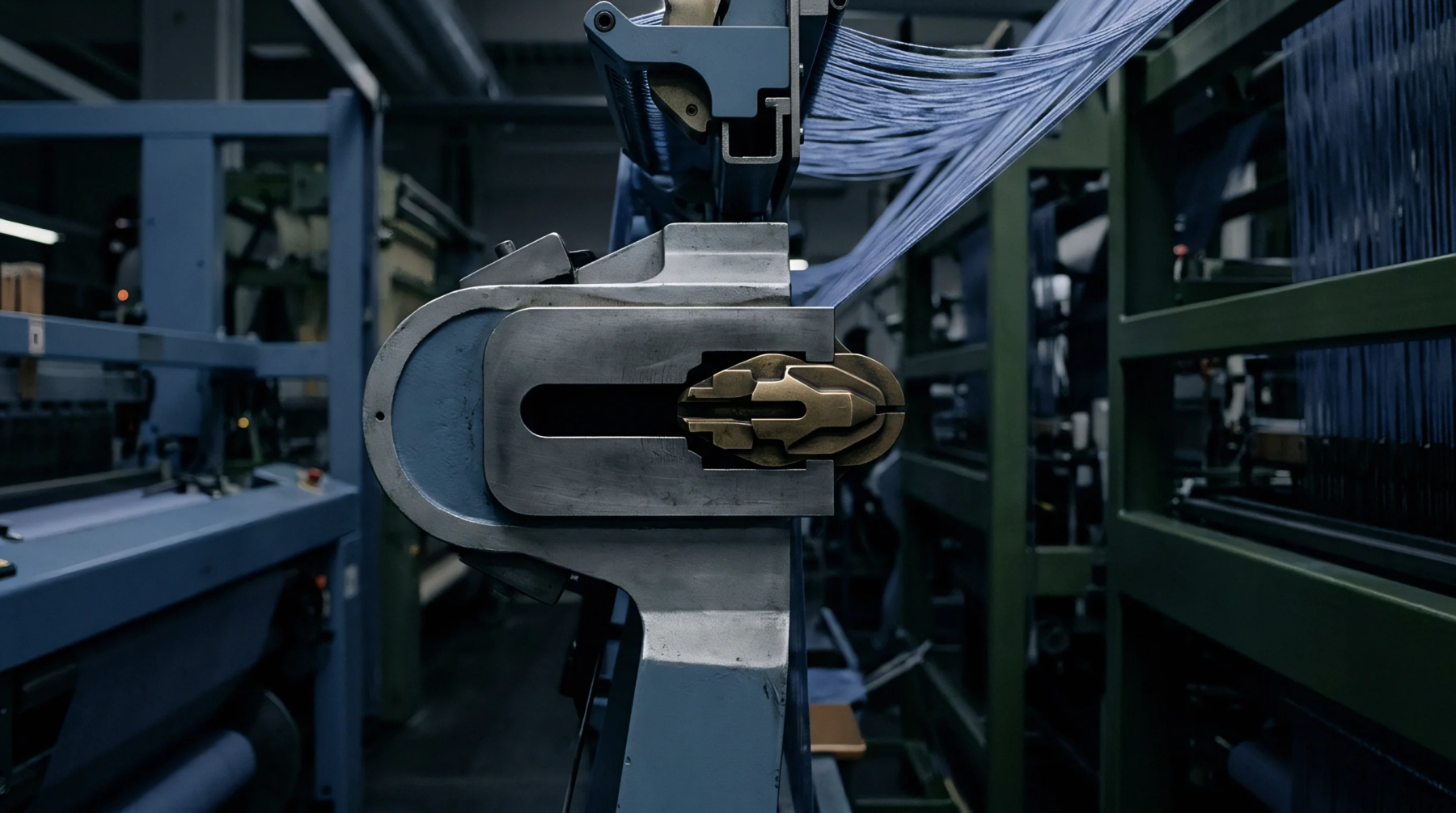
High tension during the high-speed winding and weaving processes requires yarns that can withstand sudden spikes in friction and pulling force. The single yarn breaking force is especially critical for warp yarns, which experience rapid tension changes as the loom harnesses open and close to create the shed. In low-quality yarn, localized thin spots or weak points will break at tension levels far below the average yarn strength, resulting in costly loom stops and fabric defects.
Spinning mills use the results of single-strand tests to optimize fiber selection, twist level, and combing procedures to produce a more uniform and stronger product.
Quality Specification
Sizing departments and weaving mills use these mechanical values to set tension limits on warp beams and finishing lines. A higher single yarn breaking force allows for faster weaving speeds and tighter weaves without increasing the rate of strand breakage. This strength data is also used to evaluate the effectiveness of liquid sizing and softeners, which must protect the yarn structure without reducing its overall tensile limits.
Garment brands use these strength profiles to ensure that seams and structural panels in heavy-duty apparel withstand stress during rugged use.