Fabric Distortion
Bowing or skewing occurs when the weft yarns in a textile product deviate from their perpendicular position relative to the selvage. Skew angle quantifies this linear displacement during the final inspection phase of production.
Alignment Deviation
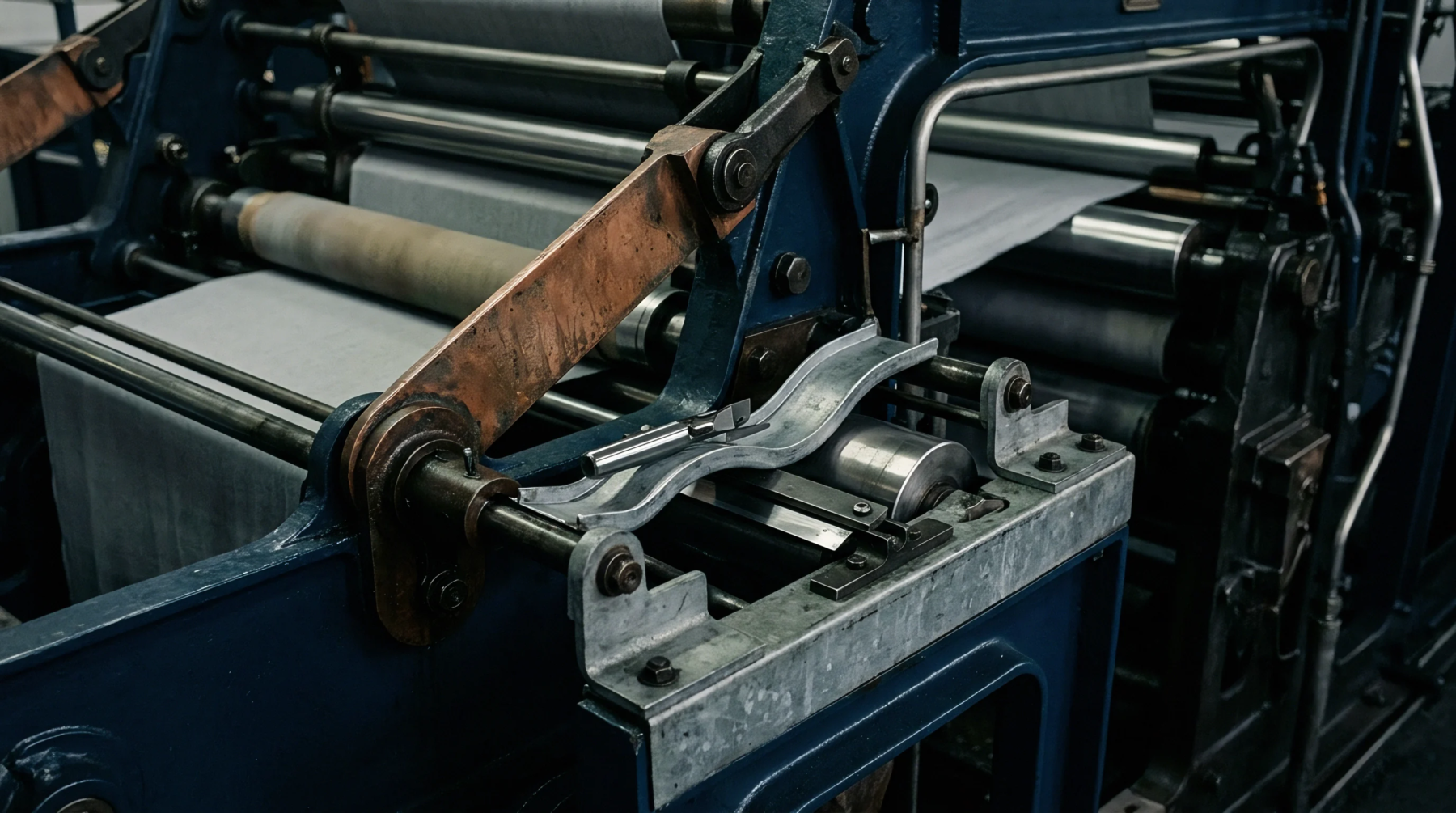
Distortion arises when rollers or tentering frames apply uneven tension across the width of a finished roll. A skew angle measurement captures the offset distance between the two ends of a weft yarn as it crosses the fabric body. High degrees of misalignment affect the drape and alignment of printed patterns or straight grain cuts during garment manufacturing.
Calculation Method
Technicians determine the value by identifying a single horizontal thread and tracking its path across the full width of the material. A perpendicular line is drawn from the selvage to establish the baseline for the reference point. The distance between the actual thread position and the intended right angle represents the total deviation.
Quality Threshold
Standards for acceptable variance depend on the fibre composition and the intended application of the textile. Higher tolerances exist for basic utility fabrics whereas luxury finishes require near perfect alignment to maintain print integrity. Total control of mechanical settings prevents permanent set in the yarn structure and maintains product uniformity.