Alkaline Reaction
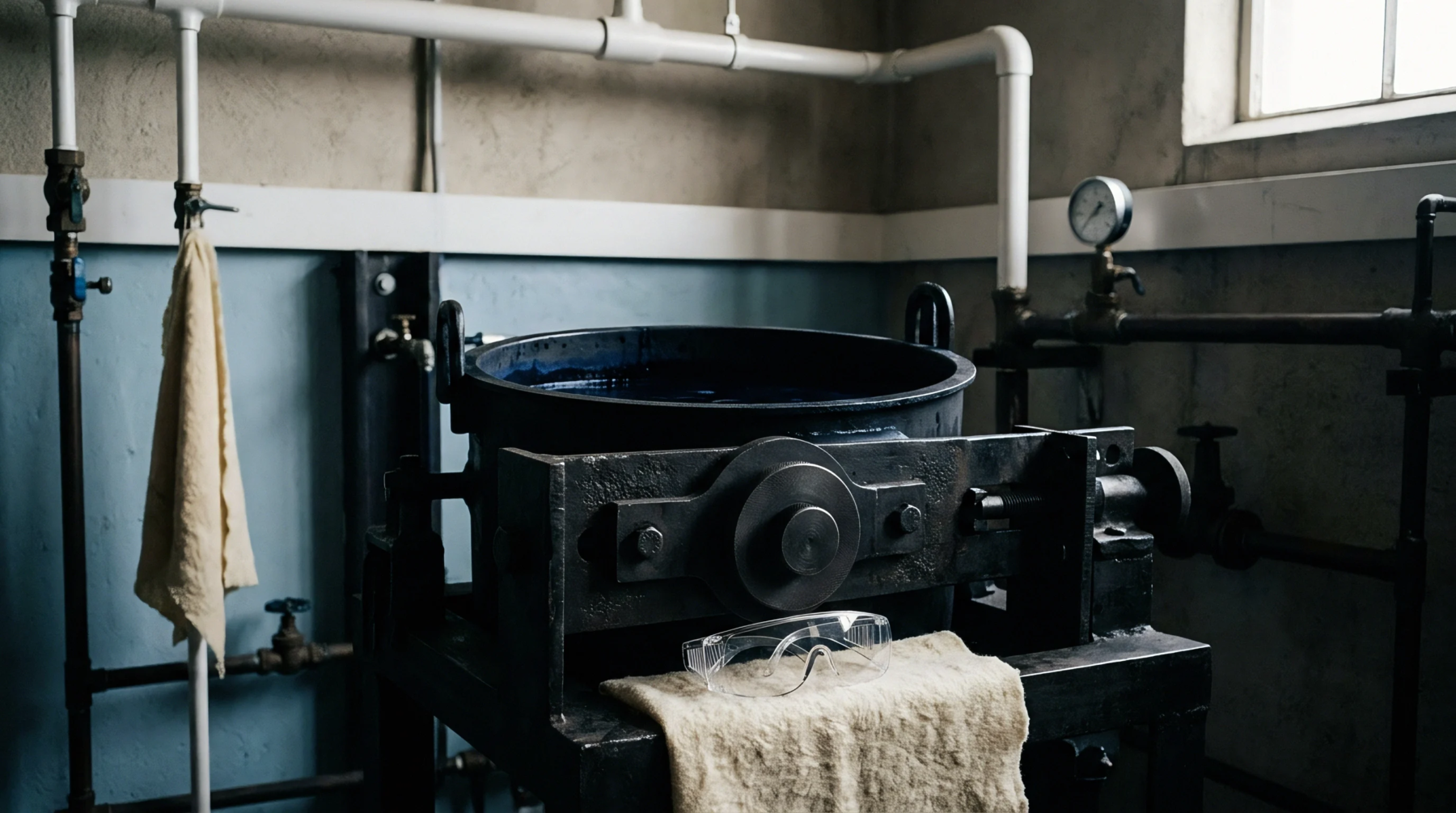
Dissolving sodium carbonate in water produces an alkaline solution used to activate cellulose fibers for covalent bonding. The degree of soda ash hydrolysis determines the concentration of hydroxide ions available to raise the pH of the bath. This chemical behavior is highly temperature dependent.
Complete dissolution of the chemical is necessary before starting the dyeing cycle. High-purity sodium carbonate ensures consistent pH levels in wet processing.
Chemical Process
Carbonate ions react with water molecules to form bicarbonate and hydroxide ions. This reversible reaction of soda ash hydrolysis establishes a stable pH buffer between ten point five and eleven. The buffered environment is ideal for the fixation of reactive dyes onto cotton yarn.
Dyehouse Control
Dosing systems must control the rate at which sodium carbonate is added to the dye bath to prevent rapid pH shifts. If soda ash hydrolysis raises the pH too quickly, the reactive dye can undergo premature hydrolysis and lose its ability to bind to the fiber. Slow dosing ensures uniform color distribution across the fabric.
Wastewater Treatment
Effluent from the dyehouse is highly alkaline due to the presence of sodium carbonate and must be neutralized before discharge. Carbon dioxide or sulfuric acid is added to the wastewater to neutralize the hydroxide ions. Proper treatment of the effluent prevents damage to local aquatic ecosystems.