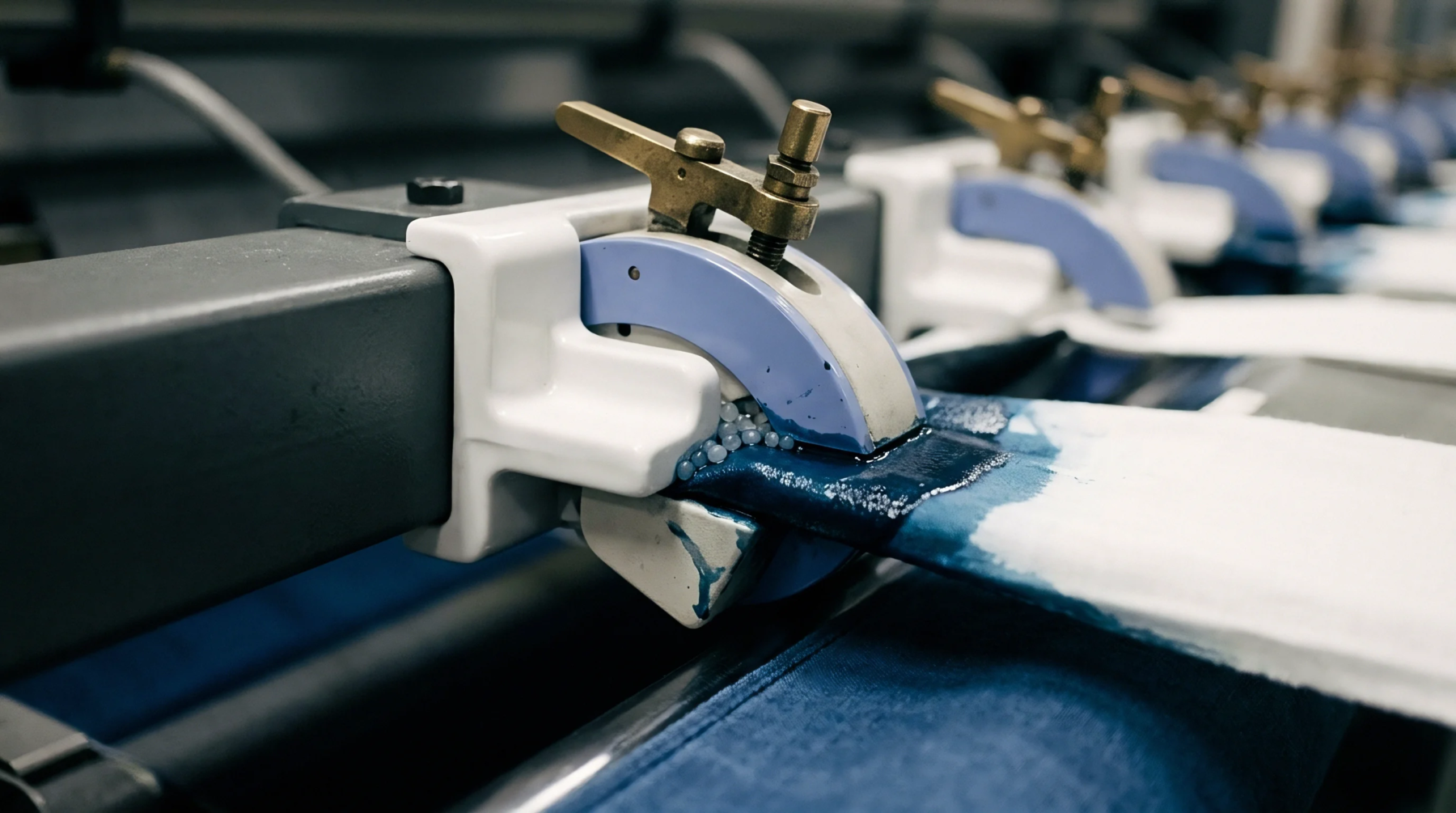
Standard Shortwave Infrared Camera Specs for Cotton Contamination Sorters
Shortwave infrared sorters use dual-band InGaAs line scan cameras to detect synthetic polymers in cotton by targeting carbon-hydrogen absorption peaks.
Electro-pneumatic fluid actuators regulate compressed air delivery inside textile machinery by shifting internal spools through electromagnetic induction coils. A solenoid valve operates within pneumatic circuit architectures to govern automated clamping cylinders on circular knitting machines during high speed yarn feeding cycles. Direct acting mechanisms rely on a moveable ferromagnetic plunger that seats directly against an orifice seal when the electrical current stops flowing.
Pilot operated variants utilize differential system pressure to lift heavier diaphragms, which allows a smaller coil to control high volume air lines feeding pneumatic take down rollers. Fluid dynamics dictate that response times depend heavily on supply pressure ratings and internal orifice diameters. Electromagnetic resistance generates thermal output during continuous duty cycles, requiring proper insulation classes to prevent premature winding failure inside humid dye house environments.
Switching speeds dictate the precision of automated pneumatic actuation across high speed weaving looms and continuous dyeing ranges. A standard solenoid valve achieves complete actuation within twenty to fifty milliseconds from the moment electrical voltage reaches the copper windings. Mechanical inertia of the moving armature and magnetic flux decay rates limit how fast the internal seal can cycle per minute.
Voltage drops across long cable runs from programmable logic controllers cause sluggish plunger movement, which introduces timing errors during pneumatic shedding motions on jacquard looms. Air supply pressure fluctuations alter transit times, forcing engineers to install precision regulators upstream from the actuator block. Rapid cycling generates considerable heat accumulation, reducing magnetic efficiency and slowing down subsequent mechanical strokes.
Electrical supply specifications determine coil construction and insulation requirements for reliable operation within industrial textile facilities. Operating voltages typically match standard plant automation architectures, spanning twenty four volts direct current up to two hundred thirty volts alternating current. A solenoid valve draws peak current during initial armature displacement, settling into a lower holding current once the magnetic circuit closes.
Alternating current coils incorporate shading rings to prevent undesirable humming and mechanical chatter caused by zero crossing current drops. Direct current variants eliminate electrical hum entirely, offering smoother switching characteristics at the expense of slower magnetic decay times upon circuit interruption. Undervoltage conditions prevent complete plunger retraction, causing restricted airflow and subsequent failure of downstream pneumatic clamping jaws.
Elastomer durability dictates service intervals and leakage rates when handling compressed air contaminated with compressor oil or condensed moisture. Buna-N seals provide adequate chemical resistance against standard synthetic lubricants found in pneumatic supply lines during routine spinning operations. Viton compounds replace standard rubber when elevated operating temperatures inside heat setting stenter frames exceed standard polymer thresholds.
A worn internal seal allows continuous bypass leakage, starving downstream pneumatic cylinders of necessary operating pressure and wasting compressed air resources across the plant floor. Preventive maintenance schedules rely on visual inspections for cracking and hardening of the elastomeric components during scheduled loom overhauls.
Shortwave infrared sorters use dual-band InGaAs line scan cameras to detect synthetic polymers in cotton by targeting carbon-hydrogen absorption peaks.
Expertise is a utility, not a secret. sentiention™ publishes its working knowledge as open reference: intelligence layer covering the materials it sources, the markets it enters, and the reference that serves both.