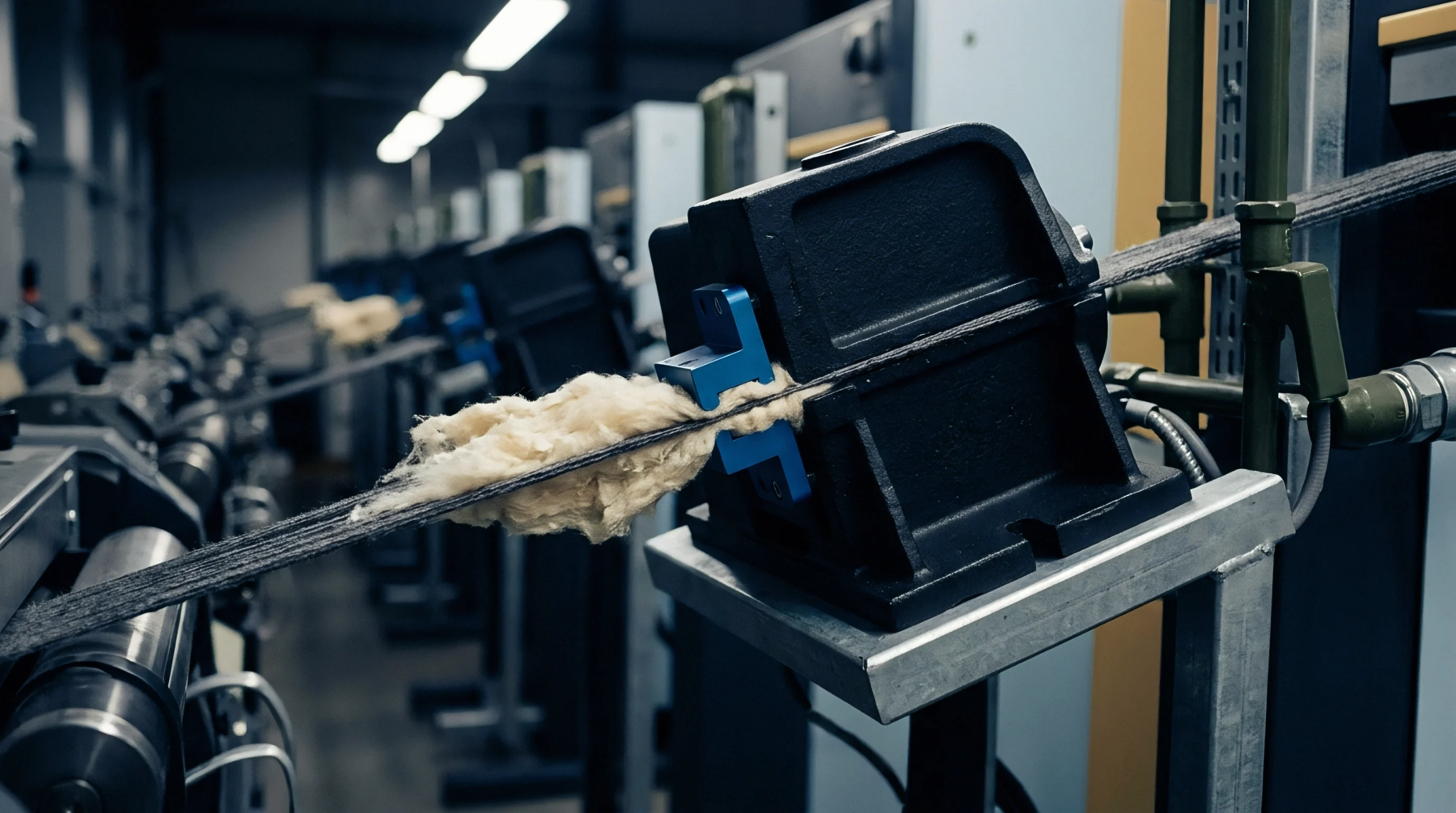
Incremental Deformation
Permanent elongation of a material occurs over time when it is subjected to a constant load below its breaking point. In the context of industrial webbing and geotextiles, static creep determines how much a strap or fabric will stretch under a sustained weight. This property is measured in a controlled environment to ensure the material does not fail during long-term use.
Molecular Slippage
Polymer chains gradually slide past one another and reorganize as the tension is maintained. This movement is irreversible, meaning the fabric does not return to its original length once the load is removed. Heat often accelerates this process by increasing the kinetic energy of the molecular segments.
Test Protocol
Laboratory technicians hang weights from a sample and record the change in length at specific intervals, such as one hundred or one thousand hours. The resulting data points allow engineers to predict the service life of the textile. Standards like ISO 25619 provide the specific conditions for conducting these long-duration measurements.
Design Consideration
Engineers must account for the predicted static creep to prevent sagging in architectural fabrics or safety harnesses. Selecting a fibre with a high crystalline content, such as polyester or aramid, reduces the rate of extension. Regular inspections are necessary to ensure that the cumulative stretch has not exceeded the safety limits of the installation.