Functional Engineering
Purpose-engineered textile structures prioritize measurable physical or chemical performance over aesthetic properties. Industrial manufacturing produces technical textiles using specialized high-tenacity synthetic fibers, aramid or glass yarns woven or nonwoven into specialized substrates. Standard classification schemes like Geotech and Agrotech categorize these materials by their operational end-use environment rather than fiber composition alone.
The term covers materials specified for mechanical strength, fluid filtration, flame resistance, or barrier protection. It excludes conventional apparel and home furnishing fabrics designed primarily for visual appeal or tactile comfort.
Performance Validation
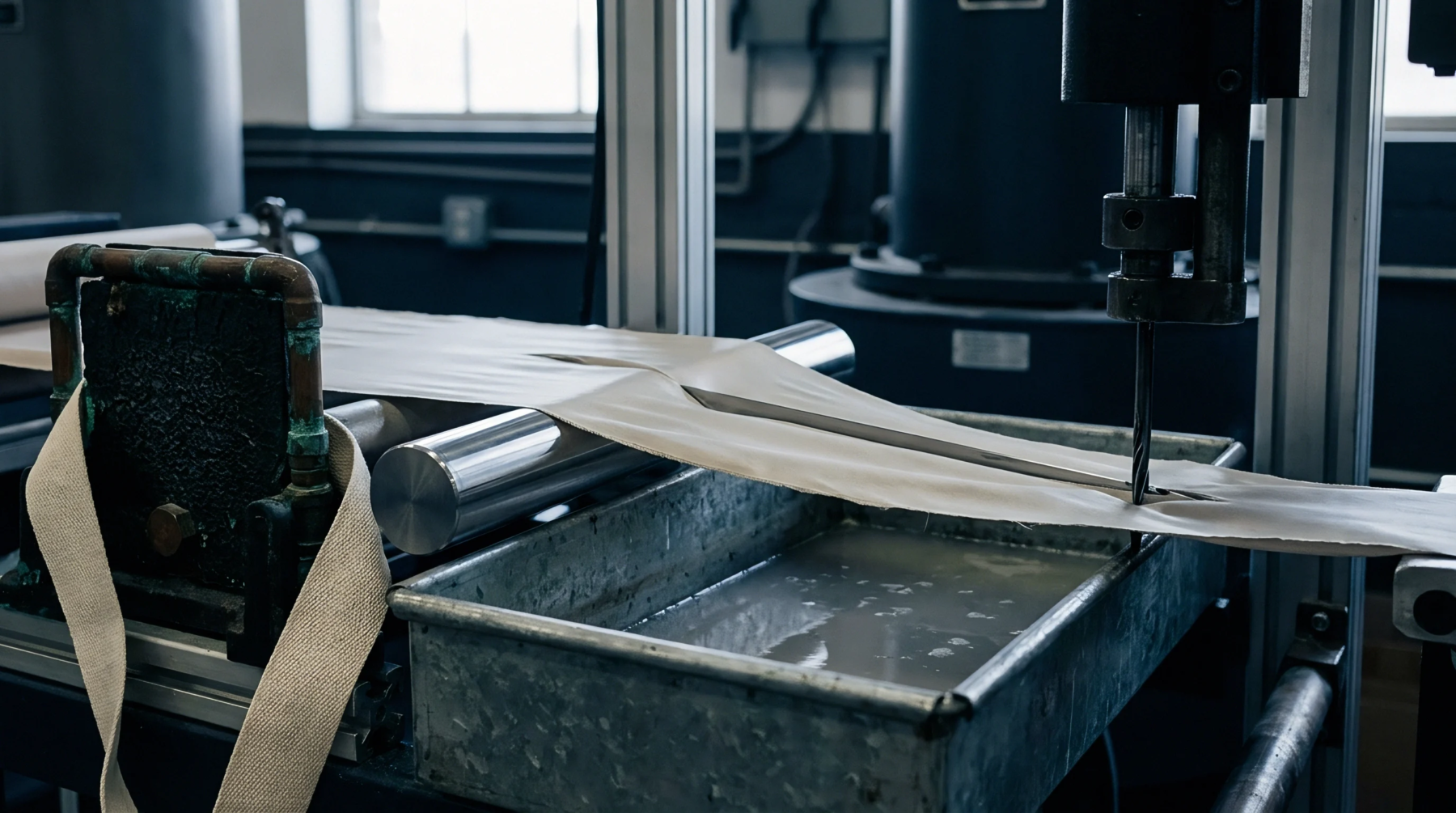
Physical testing protocols verify specialized property targets like bursting strength, tear resistance, liquid permeability, and flame propagation rates. Incorporating high-performance polymers allows technical textiles to withstand extreme environmental stress in geotextile embankments or protective suits. Standardized testing according to ISO or ASTM methods verifies compliance before installation in critical infrastructure.
Quality assurance checks focus on structural integrity and durability under cyclic mechanical loads.
Industrial Application
High-strength aramid weaves form ballast reinforcement layers, while coated nonwovens provide geotextile drainage channels beneath railway tracks. Specialized manufacturing techniques ensure consistent tensile properties along warp and weft directions under heavy stress.
Design Boundary
Elevating functional properties like flame resistance or fluid impermeability often reduces fabric flexibility and breathability. Engineering balance requires selecting structural constructions that satisfy functional specifications without rendering the material unworkable during final product assembly.