Temperature Delay
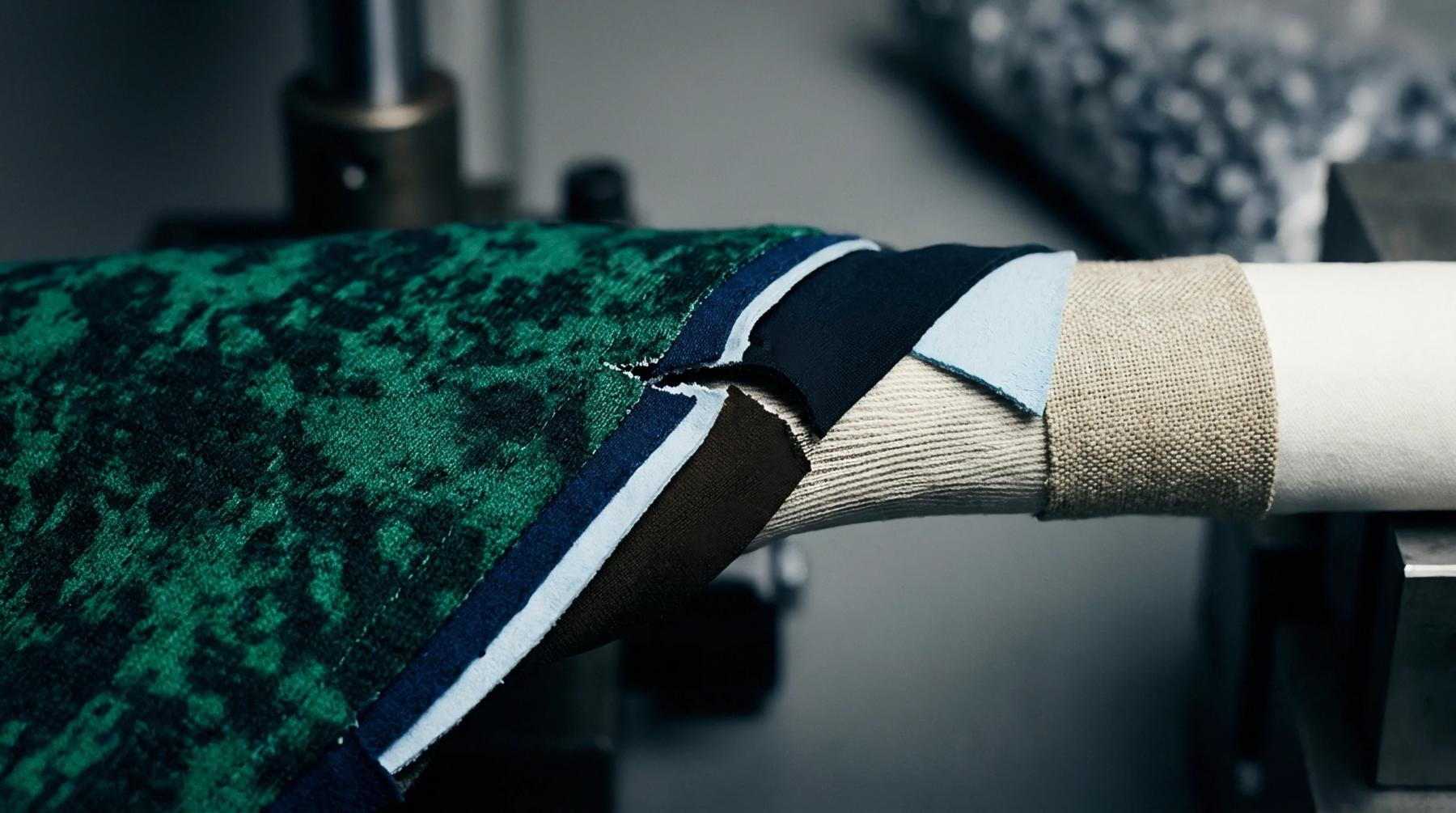
Discrepancies between the temperature of a heating medium and the actual temperature of the processed textile occur due to the time required for heat to penetrate the fabric layers. This phenomenon of thermal lag means that a fabric surface or core does not instantly reach the set temperature of the oven or stenter. The duration of this delay depends on the fabric weight, moisture content, and chemical finishes present.
Mills must calculate this delay to ensure complete drying and curing during finishing.
Material Resistance
Multiple factors govern the rate at which heat is absorbed by a fabric during continuous processing. Fiber density and yarn structure affect the speed of heat conduction, with denser fabrics and highly twisted yarns creating a longer delay. Moisture evaporation also holds the fabric temperature at the boiling point of water, adding a significant delay before dry heating begins.
This moisture-related delay must be resolved before the fiber polymer can reach its required transition temperature.
Process Modification
Compensating for this delay requires finishing mills to adjust either the machine speed or the temperature profile of the curing oven. If the line speed is too fast, the fabric will exit the oven before the internal thermal lag has been overcome, resulting in incomplete curing. Conversely, running the line too slowly to compensate for the lag can cause the fabric surface to overheat and yellow.
Adjusting the convective airflow inside the drying chamber can reduce this delay by accelerating heat transfer.
Defect Prevention
Precise scheduling of oven dwell times prevents uneven curing and maintains uniform fabric properties. Compensating for these heating delays ensures consistent color development and durable press performance across the entire production run.