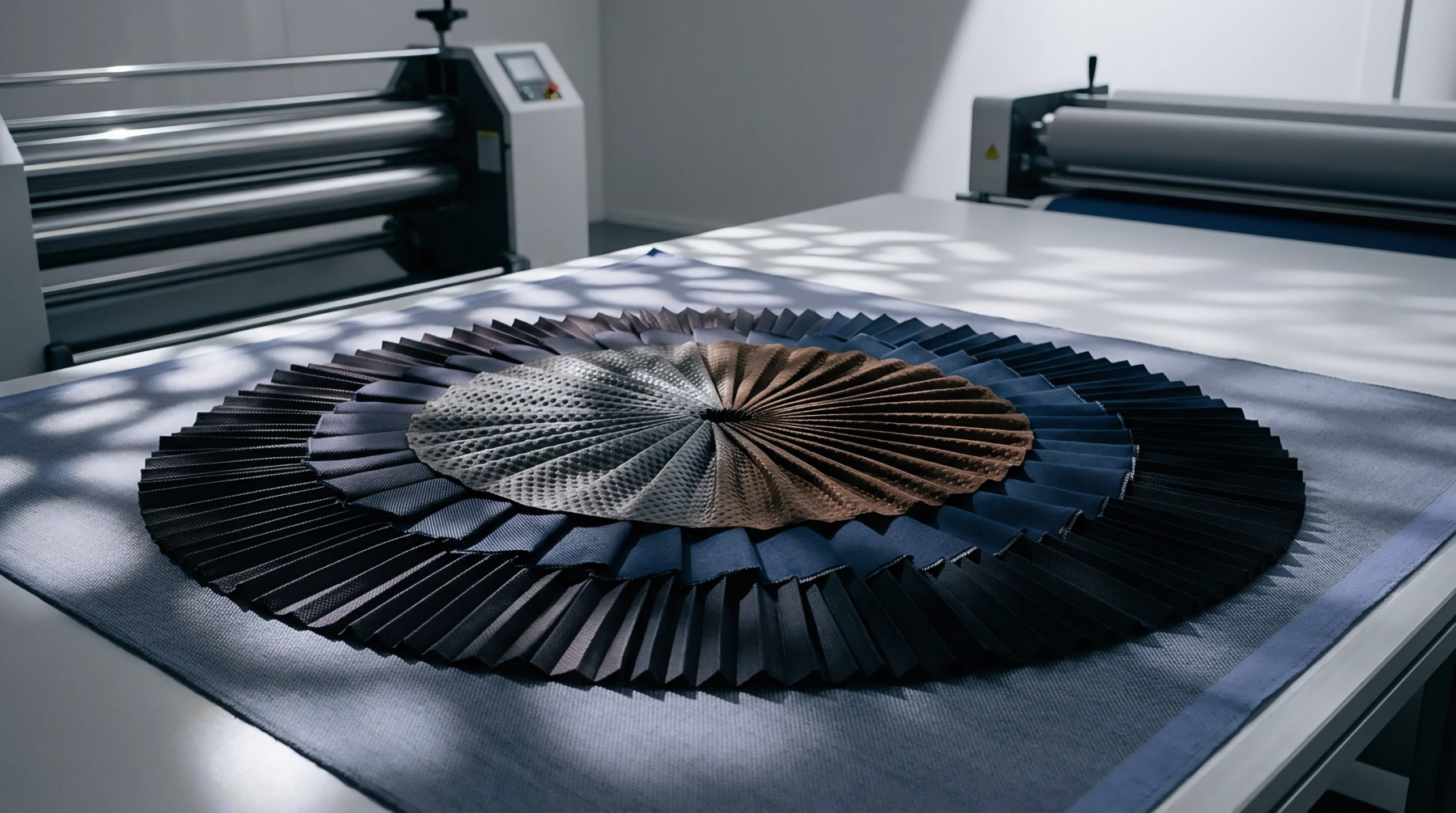
Cotton Polyester Blend Separation Behavior during Opening and Carding
Differential air drag and wire engagement strip cotton at carding zones, forcing synthetic sliver drift that triggers customs tariff threshold penalties.
Precision metal segments mounted within the cylinder assembly of a carding machine define top flat strips which operate to align fibres while removing short filaments or debris during the initial stage of yarn preparation. The top flat strips represent essential elements that engage with the licker-in or main cylinder to comb raw cotton into a parallel web. These mechanical parts remain fixed to moving belts that traverse the upper portion of the cylinder at a speed slower than the rotating drum itself.
Proper adjustment of the gap between the wire clothing on these parts and the cylinder surface dictates the degree of cleaning achieved during the carding process. Failure to maintain correct distance between the components results in neps or uneven fibre distribution in the final sliver. Operators verify the integrity of the wire teeth through periodic surface inspection to ensure consistent performance.
High throughput spinning mills determine the timing for cleaning these metal elements based on the trash content present in the raw bale samples. Accumulated dust or sticky substances on the wire teeth impede the carding action and reduce the quality of the sliver output. Technical staff monitor the buildup by tracking the variance in sliver weight per meter over operational intervals.
Increased density of foreign matter within the carding zone forces a higher cycle rate for the mechanical cleaning mechanism to keep the wire clear of obstruction. Machines running synthetic blends require different intervention schedules than those processing natural organic fibres due to variations in wax content and fibre length distribution. Consistent output depends on the ability of the machine to maintain a clean working surface at the point of fibre interaction.
Steel alloy construction provides the stiffness required to prevent deflection when the strips encounter high tension during heavy production runs. Each unit carries a specific density of wire points per square inch to match the fineness of the yarn expected from the spinning line. Precision manufacturing ensures that every strip maintains an identical profile to prevent localized irregularities in the carded web.
Grounding the wire tips to a specific angle facilitates the effective grasping of individual filaments while allowing them to slide forward without breakage. Variations in the base width of the unit dictate the compatibility of the part with different models of carding machinery found on the factory floor. Tight tolerances during the assembly of these parts prevent vibration that leads to uneven wear patterns on the wire surface.
Quality control teams check the appearance of the card web to identify streaks that signal an alignment error within the strip configuration. Uniformity in the web density confirms that the mechanical settings effectively manage the fibre mass. Poorly set components create thick and thin spots that carry through to the finished garment.
Maintenance schedules for these parts correlate directly to the tensile strength and uniformity of the resulting thread. Regular calibration of the distance between these strips and the main cylinder remains the primary factor for achieving superior yarn regularity.
Differential air drag and wire engagement strip cotton at carding zones, forcing synthetic sliver drift that triggers customs tariff threshold penalties.
Expertise is a utility, not a secret. sentiention™ publishes its working knowledge as open reference: intelligence layer covering the materials it sources, the markets it enters, and the reference that serves both.