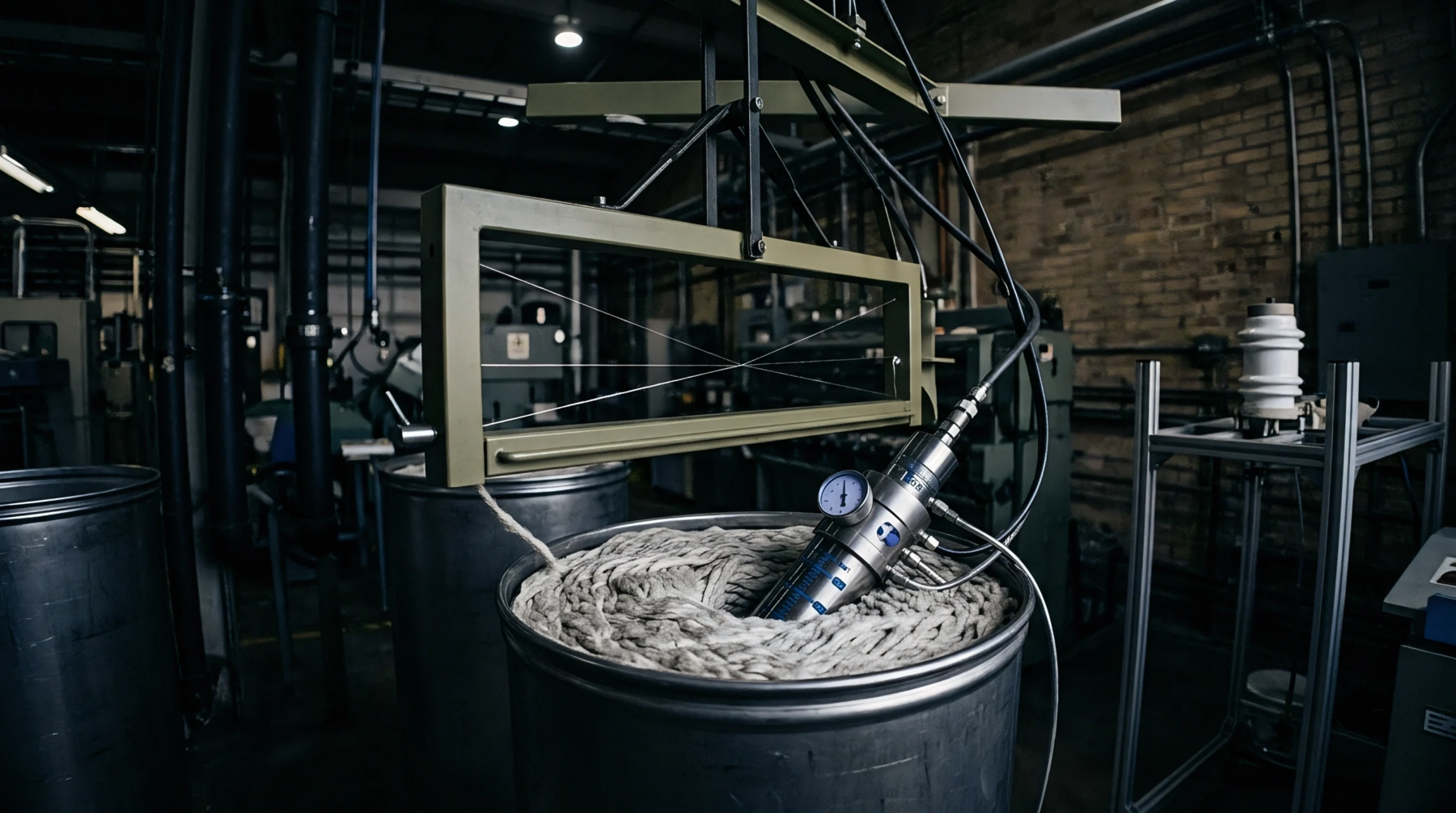
Fluid Allocation
Distribution network calibration divides liquid or gas flow proportionally among multiple treatment vessels to ensure uniform batch conditions. In textile finishing plants, trim valve balancing is performed to equalize the distribution of dye liquor or steam across different processing vats. This adjustment prevents the starving of some lines while others receive excess pressure.
System Adjustment
Achieving equal flow rates requires measuring the output of each line under full load. Technicians adjust each valve sequentially, starting with the branch closest to the pump and working outward. Through trim valve balancing, the resistance of each path is matched, preventing the fluid from following only the path of least resistance.
Flowmeters on each branch provide the real-time data needed to make these fine adjustments. This methodic procedure eliminates the pressure spikes that can blow seals or disrupt the delicate flow balance required for high-speed dyeing operations.
Thermal Control
Temperature uniformity across several machines depends on this hydraulic equilibrium. If steam or hot dye liquor is distributed unevenly, different vats will run at different temperatures. This temperature variation directly affects the rate of dye fixation, resulting in color differences between batches produced simultaneously.
Technical Consequence
Regular audits of the distribution network prevent slow drift in system performance. When trim valve balancing is done incorrectly, some vats will underperform, leading to batches of fabric that do not match the standard sample. By lock-wiring the valves once balanced, the mill ensures that the flow settings remain secure against unauthorized changes.