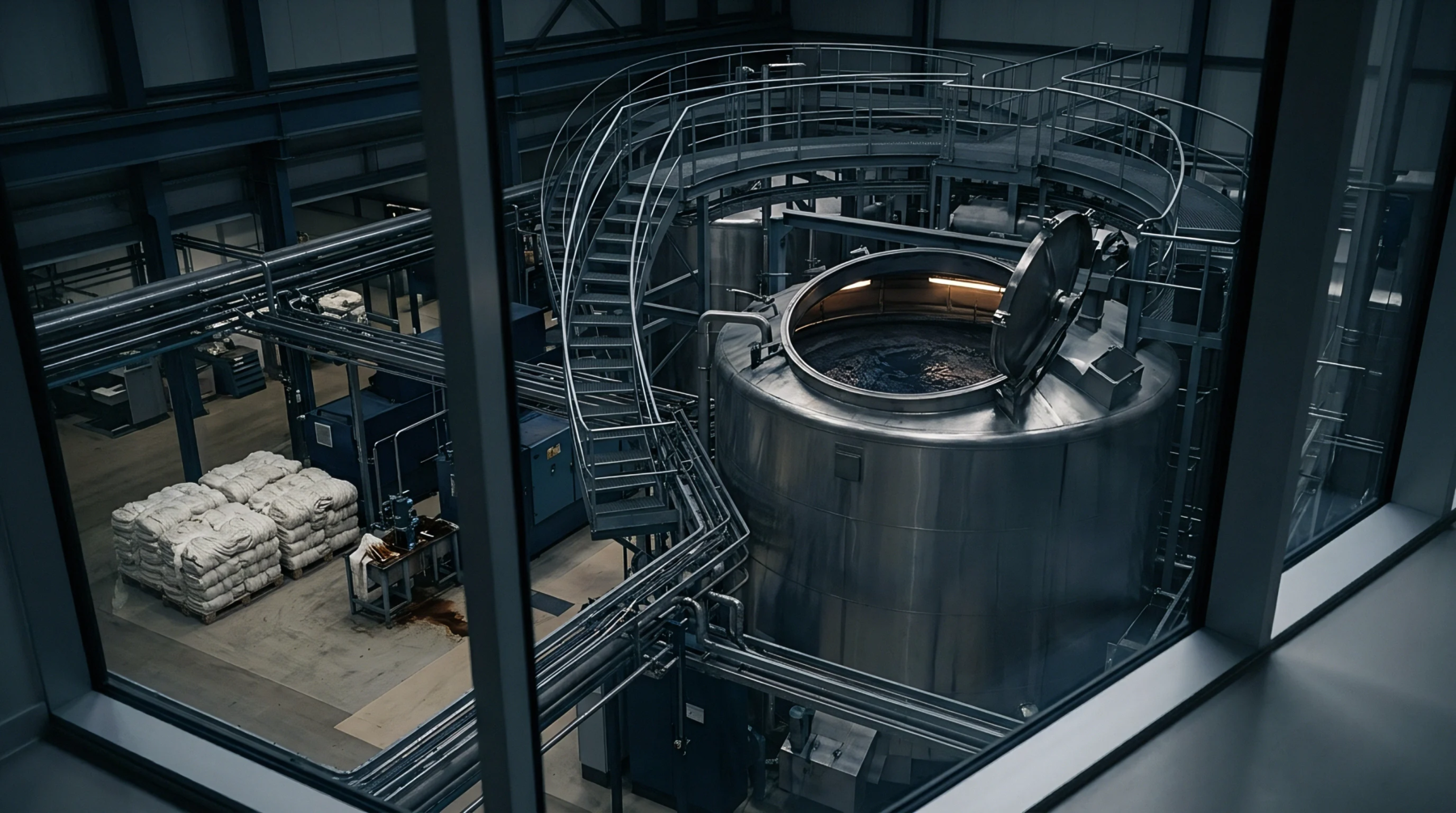
Protective Enclosure
Specialized containment systems utilize multi-layered materials to prevent the transmission of water vapor and moisture into the stored product. This vapor barrier packaging is essential for protecting sensitive textile chemicals, metal components, electronics, and high-performance fabrics from humidity-induced degradation. The effectiveness of the barrier is measured by its moisture vapor transmission rate (MVTR).
Material Construction
Layers of aluminum foil, polyethylene, polyamide, and polyester are often laminated together to create a flexible but impenetrable shield. The aluminum provides the primary barrier against gases, while the plastic layers offer mechanical strength and heat-sealable properties. Desiccant packets are frequently placed inside the sealed bag to absorb any residual moisture trapped during the packing process.
This combination maintains a dry microclimate regardless of the external conditions.
Industrial Application
Finished garments intended for long-term sea freight rely on these barriers to prevent the growth of mold and mildew. Raw materials like water-sensitive resins or specialized dyes also require this level of protection to maintain their chemical potency. Without an effective barrier, the high humidity of tropical ports could ruin entire shipments before they reach the warehouse.
Integrity Verification
Quality checks involve testing the heat seals for leaks and ensuring the material is free from pinholes or abrasions. Visual indicators that change color in the presence of moisture are sometimes included inside the package to provide a quick reference for the recipient. Proper sealing techniques are necessary to ensure the barrier remains effective throughout the transit period.
A breach in the package integrity voids the protection and exposes the contents to environmental damage.