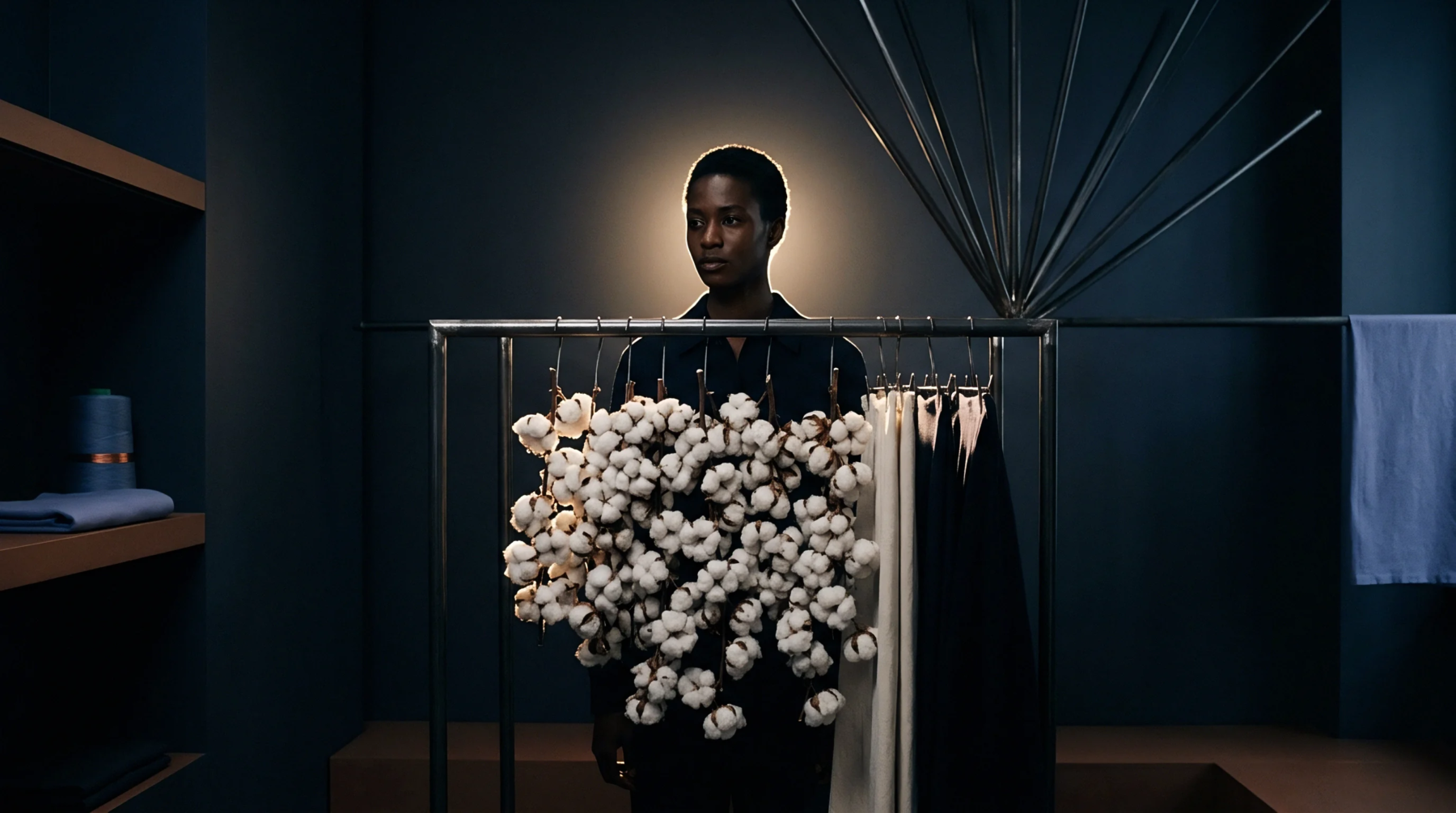
Procurement Model
Manufacturing strategies that involve buying from companies that own every stage of production from spinning to finishing are used to ensure quality control. This vertical mill sourcing reduces the number of intermediaries in the supply chain and provides greater transparency for the brand. A single entity manages the raw material intake, the weaving or knitting and the final dyeing of the fabric.
This structure is particularly valuable for technical textiles where consistency is the highest priority.
Chain Visibility
Tracking the origin of the fiber becomes much simpler when the entire process happens under one roof. Vertical mill sourcing allows for better monitoring of environmental standards and labor practices because there are fewer external subcontractors to audit. Brands can more easily verify claims about recycled content or organic certifications.
This direct relationship simplifies the documentation required for international compliance.
Lead Time
Coordination between departments is typically faster than between separate companies. In a vertical mill sourcing arrangement, the spinning department can adjust its schedule immediately to meet the needs of the weaving shed. This integration reduces the time lost to transport and administrative delays between different stages of the manufacturing process.
Faster response times allow brands to react more quickly to changing market demands.
Compliance Record
Integrated facilities often invest more in wastewater treatment and energy efficiency because they have long term control over the entire site. The reliability of the final product is higher because the mill can monitor the fabric at every checkpoint. Vertical mill sourcing minimizes the risk of receiving fabric that fails to meet the specified standards for color fastness or shrinkage.