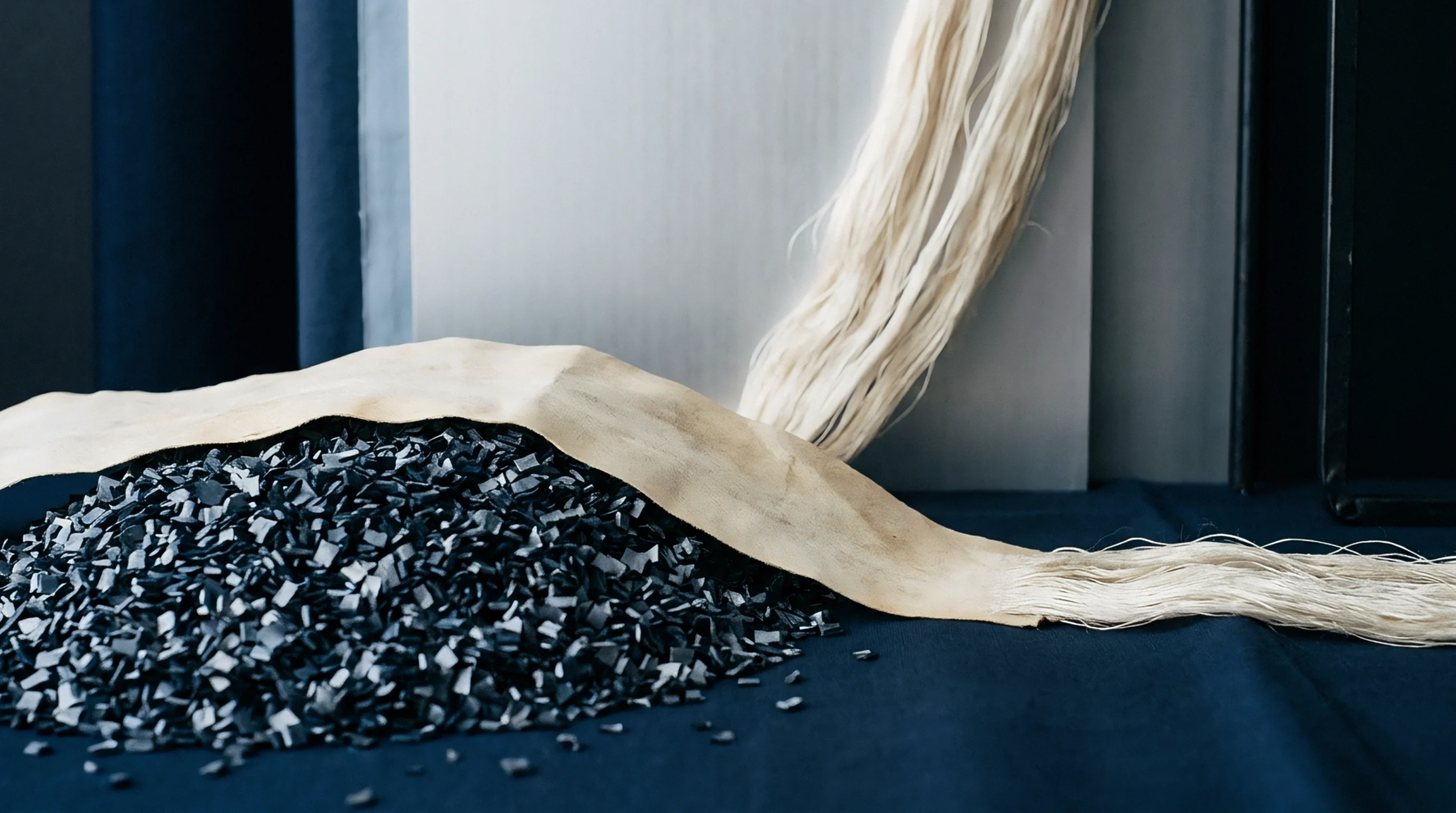
Textile Composition
Combinations of two types of regenerated cellulose balance the cost-effectiveness of standard rayon with the superior physical properties of a high-modulus fibre. The viscose modal blend leverages the soft hand and high lustre of standard rayon while gaining the dimensional stability provided by the modal component. This mixture is frequently used in the production of high-quality jersey fabrics and woven shirting.
Performance Synergy
Mechanical properties of the resulting yarn fall between the values of the two constituent fibres. A viscose modal blend resists the excessive shrinkage typical of pure viscose while maintaining a more luxurious feel than a standard cotton mix. Strength levels are sufficient for high-speed knitting and weaving processes where low-quality yarns might experience frequent breaks.
Cost Optimization
Economic considerations drive the adoption of this blend in mass-market fashion. By adding a portion of standard rayon, manufacturers reduce the price of the fabric without sacrificing the premium marketing appeal of the modal. The ratio is typically set at fifty percent for each fibre to ensure a balanced profile.
Processing Step
Uniformity in chemical structure simplifies the dyeing process since both fibres react similarly to the same classes of dyestuffs. Proper heat setting ensures the final garment retains its shape after consumer use.