Mechanical Function
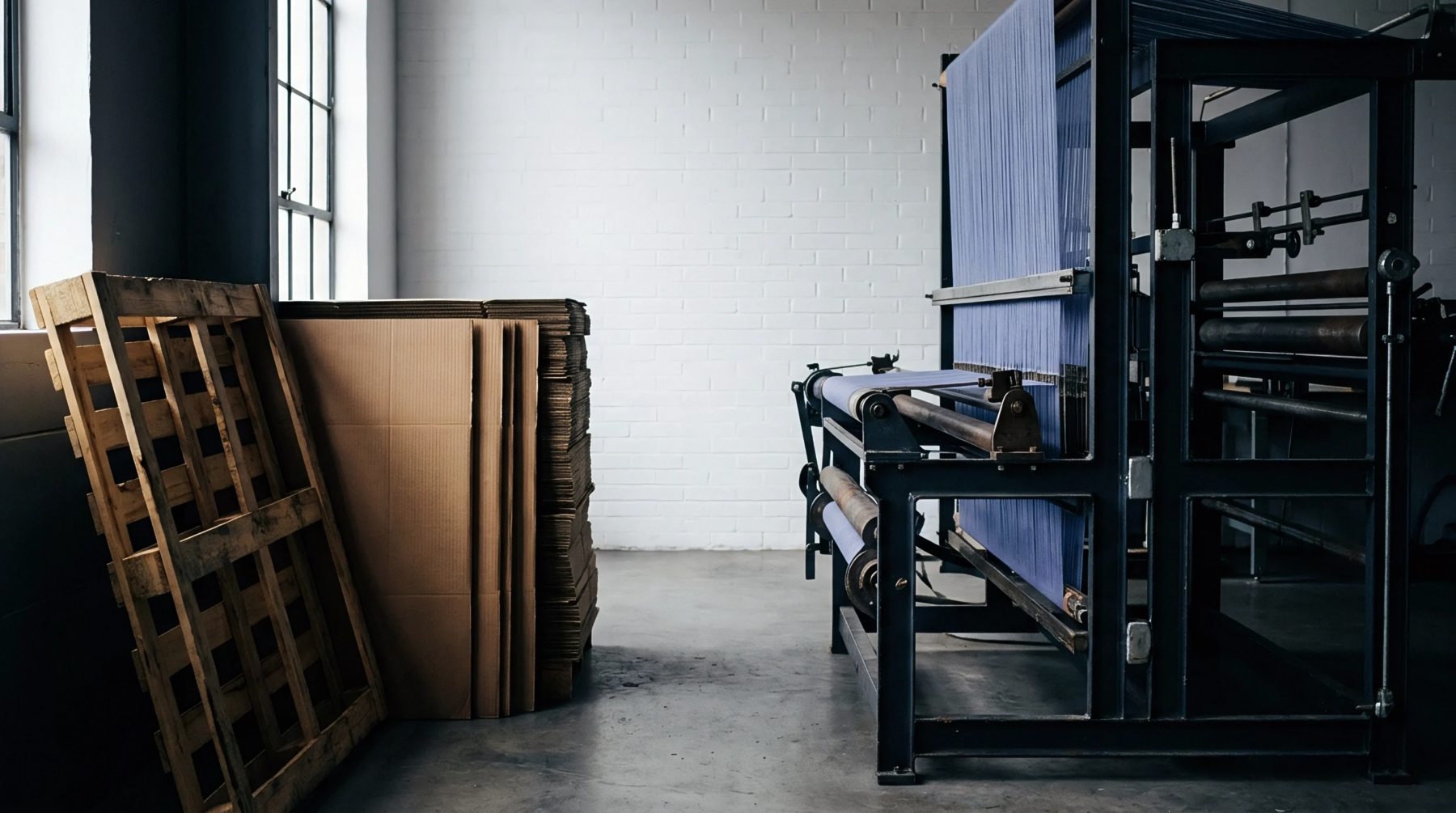
Weaving machine functions involve the placement of the filling yarn across the shed created by the warp threads. Weft insertion is the specific stage where a carrier, such as a shuttle, rapier, projectile, or air-jet nozzle, transports the yarn from one side of the loom to the other. The speed of this action dictates the overall productivity of the weaving mill.
High-speed projectile or air-jet systems outpace the older shuttle-based equipment used in smaller workshops.
Filling Transport
Transport methods vary based on the technology used in the loom. In air-jet weaving, a blast of compressed air drives the weft insertion at extremely high velocities. Rapier systems use mechanical grippers to pass the yarn halfway through the shed before a second gripper completes the transfer.
Machine Capability
Capability of the machine is measured by the rate of meters per minute. High-speed weft insertion requires precise timing of the shedding and beat-up motions to avoid yarn breakage. Adjusting the tension during this phase prevents defects like loops or tight picks in the fabric.
Fabric Width
Width of the fabric is limited by the distance the insertion mechanism can travel effectively. Wider looms require more powerful propulsion to maintain the speed of the yarn. Modern systems allow for multiple colors or yarn types to be used in the same cloth.