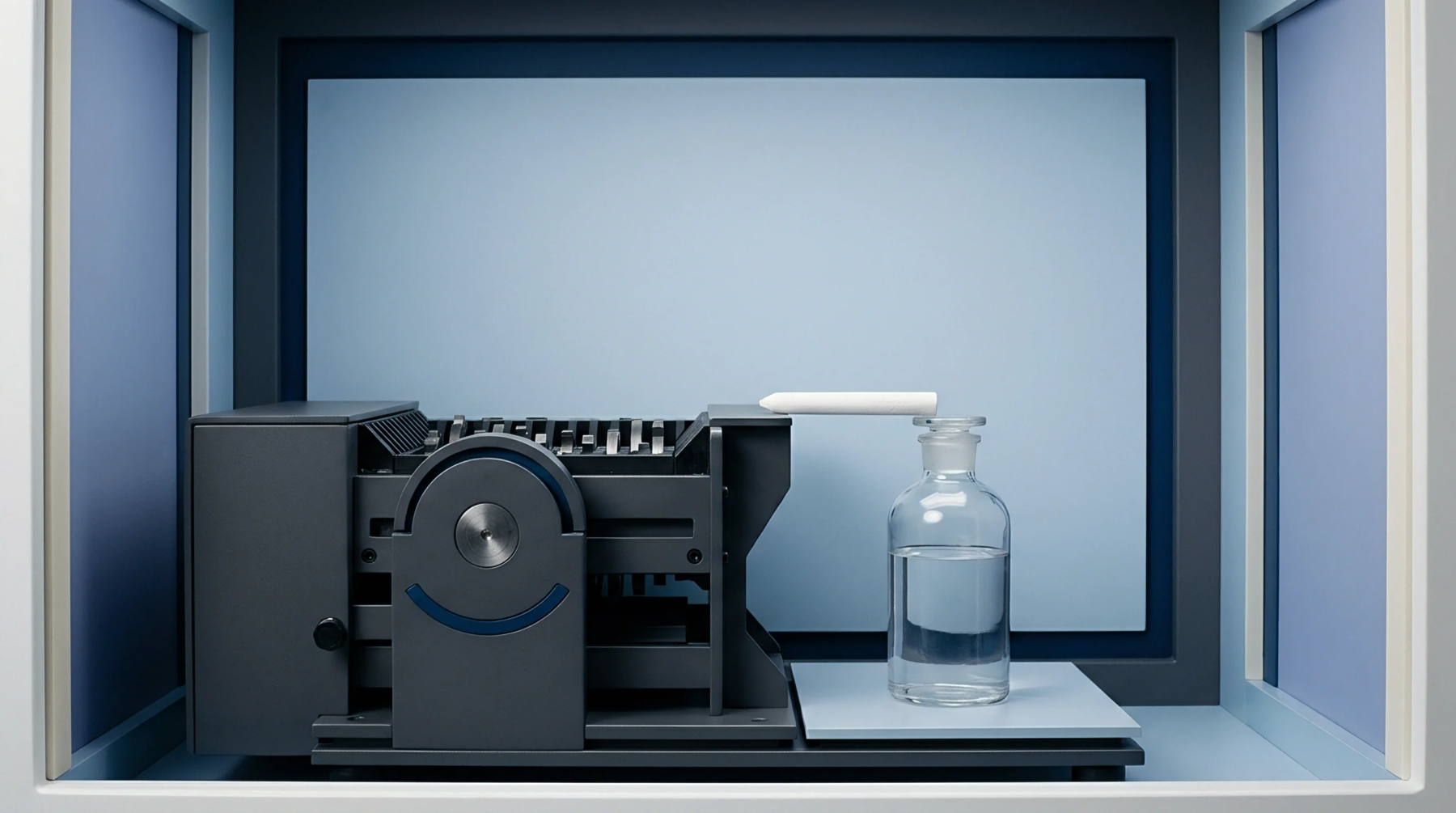
Solvent Recirculation
Boiling a solvent at a constant temperature while continuously condensing the vapours back into the reaction vessel allows for the dissolution of specific polymer fractions in multi-component materials. In textile analysis, xylene reflux is employed to separate polypropylene from other synthetic fibres or to extract oil and wax content from raw specimens. This method maintains a constant solvent concentration throughout the extraction period.
Polymer Solubility
Dissolving the target material requires the xylene to reach its boiling point of approximately 140 degrees Celsius. This high temperature environment breaks the intermolecular forces in certain polyolefins, which allows the polymer to enter the liquid phase. Once the extraction is complete, the dissolved fraction is recovered through precipitation or evaporation of the solvent.
The efficiency of the process depends on the duration of the reflux and the surface area of the shredded textile sample.
Analytical Precision
Measuring the mass of the residue after the solvent has been removed provides a quantitative assessment of the blend ratio or the finish level. Technicians must use specialized glassware like a Soxhlet extractor to ensure that only fresh solvent comes into contact with the sample.
Material Identification
Successful recovery of the extracted polymer allows for further testing such as infrared spectroscopy to confirm the chemical identity of the sample. The procedure is a standard requirement for verifying label claims in technical textiles.