Caustic Concentration Measurement in Industrial Cotton Mercerization Processes
Continuous caustic measurement demands titrametric validation to separate active sodium hydroxide from carbonate and hemicellulose accumulation.

Liquor
Mercerization transforms native cellulose I crystal structures into cellulose II lattices through concentrated sodium hydroxide exposure between 22 and 30 degrees Baumé. This swelling expands the cell wall, collapses the internal lumen, and rounds out kidney-bean fiber cross sections into cylinders. Achieving this realignment requires precise alkali control: if caustic concentration drops below 20 percent by weight, lattice conversion stays incomplete, leaving uneven dye affinity across the fabric width.

Swelling Thresholds and Cellulosic Phase Transitions
Native cotton fibers display a flat, ribbon-like cross section with a lumen running along the longitudinal axis. Introduced to sodium hydroxide solutions exceeding 215 grams of active sodium hydroxide per liter of bath, water molecules and sodium ions penetrate the crystalline regions of the cellulose. Hydroxide ions cleave intermolecular hydrogen bonds between adjacent cellulose chains while hydrated sodium ions fit into the expanded interstitial spaces, forming alkali-cellulose complexes.
Washing then strips away the alkali, leaving a permanent cellulose II crystalline arrangement.
Maximum transverse fiber expansion occurs rapidly between 24 and 28 degrees Baumé, corresponding to 245 to 300 grams per liter of sodium hydroxide at 20 degrees Celsius. Operating beneath 22 degrees Baumé results in semi-mercerization, which produces poor luster, disappointing tensile strength gains, and severe shade depth variation during dyeing. Conversely, running above 30 degrees Baumé increases liquor viscosity dramatically without yielding further crystalline conversion, impeding penetration into dense woven fabrics while raising acid consumption during neutralization washing.
Cellulose crystallite swelling reaches maximum lattice expansion when sodium hydroxide concentration holds strictly between twenty-four and twenty-eight degrees Baumé.
Temperature Dependencies in Heavy Alkali Baths
Thermal energy inside concentrated sodium hydroxide directly impacts how fast alkali penetrates the crystalline regions of cotton yarn. Cold mercerization runs between 15 and 20 degrees Celsius. Lower bath temperatures enhance swelling because the exothermic hydration reaction between sodium hydroxide and cellulose releases heat, favoring alkali-cellulose complex formation at lower thermal states.
As temperature falls toward 10 degrees Celsius, dynamic viscosity in a 28 degree Baumé caustic solution rises sharply, increasing mechanical drag on warp tension rolls and slowing core penetration in heavy canvas or high-twist yarns. Warm mercerization processes elevate bath temperatures to 50 or 60 degrees Celsius to decrease viscosity and accelerate wet-out speeds, though elevated thermal states reduce the thermodynamic swelling drive. These warmer processes demand higher alkali concentrations ~ typically 28 to 32 degrees Baumé ~ to match the conversion efficiency achieved at 18 degrees Celsius.
Cold mercerization baths therefore require tight thermal control to prevent uneven swelling across the web width.

Refractometry
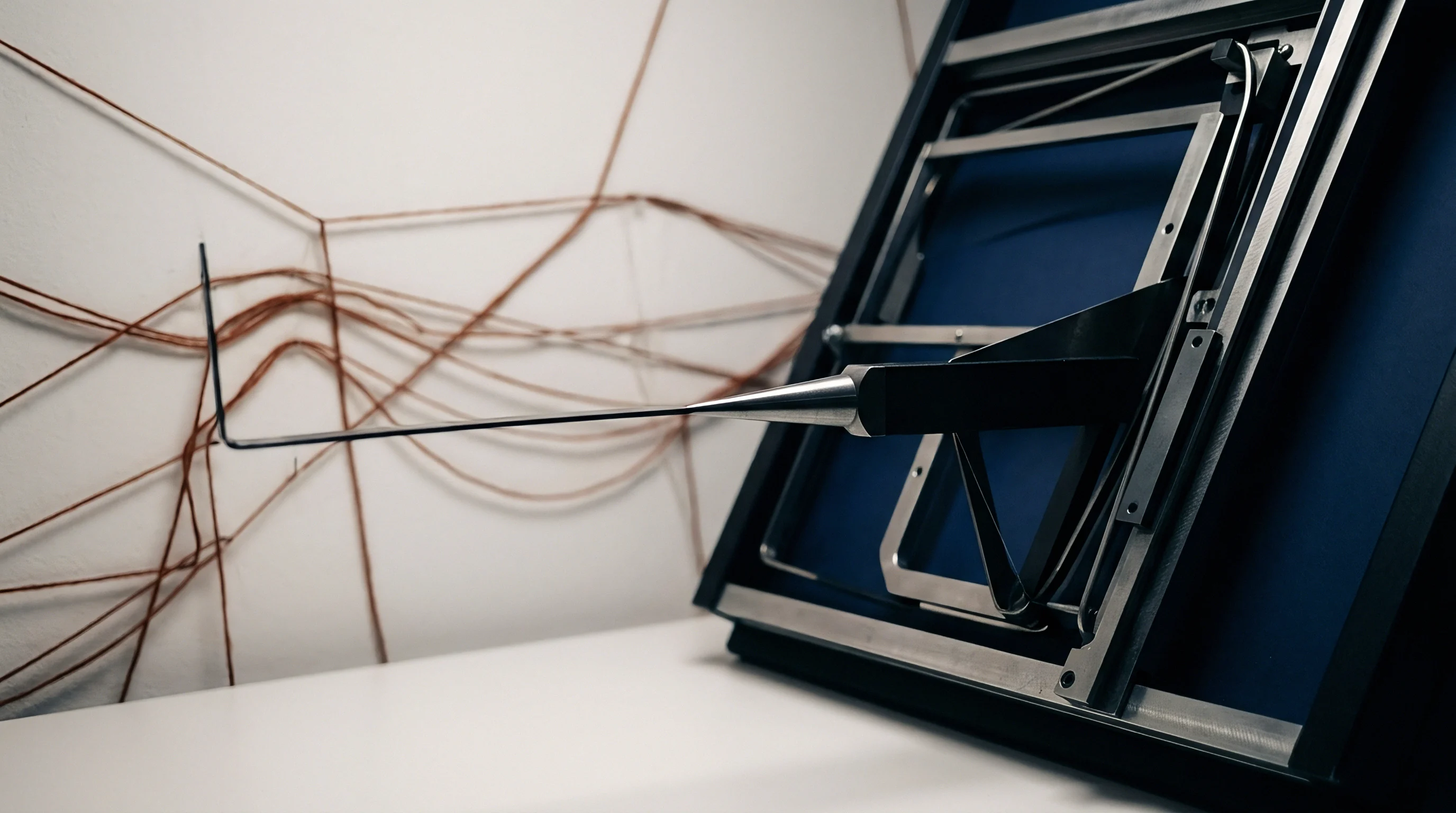
Continuous optical sensors assess light bending angles through sapphire prisms mounted directly inside caustic recirculation loops. Refractive index correlates directly with total dissolved solids in binary sodium hydroxide and water mixtures. As the mass fraction of alkali increases, light travels more slowly through the solution, shifting the critical angle of total internal reflection measured on the instrument’s linear charge-coupled device array.
Optical Refractive Index Monitoring Mechanics
Industrial inline optic units direct a monochromatic light beam against the interface between the synthetic sapphire window and the flowing sodium hydroxide solution. The sensor calculates refractive index based on the light intensity profile across the photo-diode array. Standard units express values in refractive index units or convert them directly to degrees Baumé or weight percent sodium hydroxide via pre-programmed matrix tables.
Optical measurements provide millisecond response times, allowing sensor electronics to catch sudden concentration drops from rinse back-feed or main dosing pump lockups instantly. Temperature fluctuations, however, distort optical readings: the refractive index of 25 percent sodium hydroxide shifts by roughly 0.00035 units per degree Celsius. High-grade process refractometers integrate dual platinum resistance thermometers beside the optical prism, applying real-time adjustments to normalize readings to a 20 degree Celsius baseline.
Optical sensors measuring caustic baths demand automated high-pressure water washing cycles to clear surface films.
Acoustic and Density Transducer Principles
Mass flow meters utilizing Coriolis forces calculate fluid density by measuring phase shifts in vibrating sensor tubes, where oscillation frequency varies inversely with the square root of the contained fluid mass. Concentrated sodium hydroxide exhibits a pronounced density curve, scaling from 1.218 grams per cubic centimeter at 20 degrees Baumé to 1.327 grams per cubic centimeter at 30 degrees Baumé at 20 degrees Celsius. Coriolis meters deliver robust density measurements while simultaneously recording mass flow volume, allowing exact chemical dosing calculations across continuous ranges.
Acoustic velocity transducers offer an alternative non-intrusive measurement pathway, taking advantage of sound traveling faster through dense alkaline media than through pure water. Ultrasonic concentration sensors send high-frequency sound pulses across a fixed flow gap, timing propagation to determine velocity. Sound speed in aqueous sodium hydroxide increases predictably up to roughly 35 percent concentration by weight.
Unlike electrodeless toroidal conductivity probes, which hit a non-monotonic peak around 15 percent sodium hydroxide and lose sensitivity at mercerizing strengths, ultrasonic and refractive sensors maintain positive linear slope responses across the full operating band.
| Technology | Primary Measurement Parameter | Sensitivity Range (NaOH wt%) | Response Time | Major Interferences |
|---|---|---|---|---|
| Optical Refractometer | Refractive Index (nD) | 0% to 50% | < 1 second | Prism coating, hemicellulose, suspended lint |
| Coriolis Mass Meter | Fluid Mass Density (g/cm³) | 0% to 50% | < 1 second | Entrained air bubbles, carbonate buildup |
| Ultrasonic Velocity Sensor | Sound Speed (m/s) | 0% to 40% | 1 to 3 seconds | Entrained gas, extreme thermal gradients |
| Toroidal Conductivity | Electrical Conductance (mS/cm) | 0% to 15% (Inverted >15%) | 2 to 5 seconds | Non-monotonic curve inversion above 15% NaOH |
| Automated Online Titrator | Acid Neutralization Volume | 0% to 50% | 3 to 8 minutes | Reagent depletion, valve seal degradation |
Temperature-compensated optical sensors are often presented as rendering wet chemistry titration unnecessary in continuous textile processing lines.


Titration
Wet chemical neutralization isolates free active hydroxide ions from total dissolved alkaline solids. Where density meters, refractometers, and ultrasonic sensors measure physical solution properties affected by every dissolved species, acid-base titration quantifies the actual chemical capacity of the liquor to mercerize cotton. Physical methods read total density or refractive index, whereas chemical methods determine active chemical availability.

Can Online Density Meters Distinguish Active Hydroxide from Carbonate?
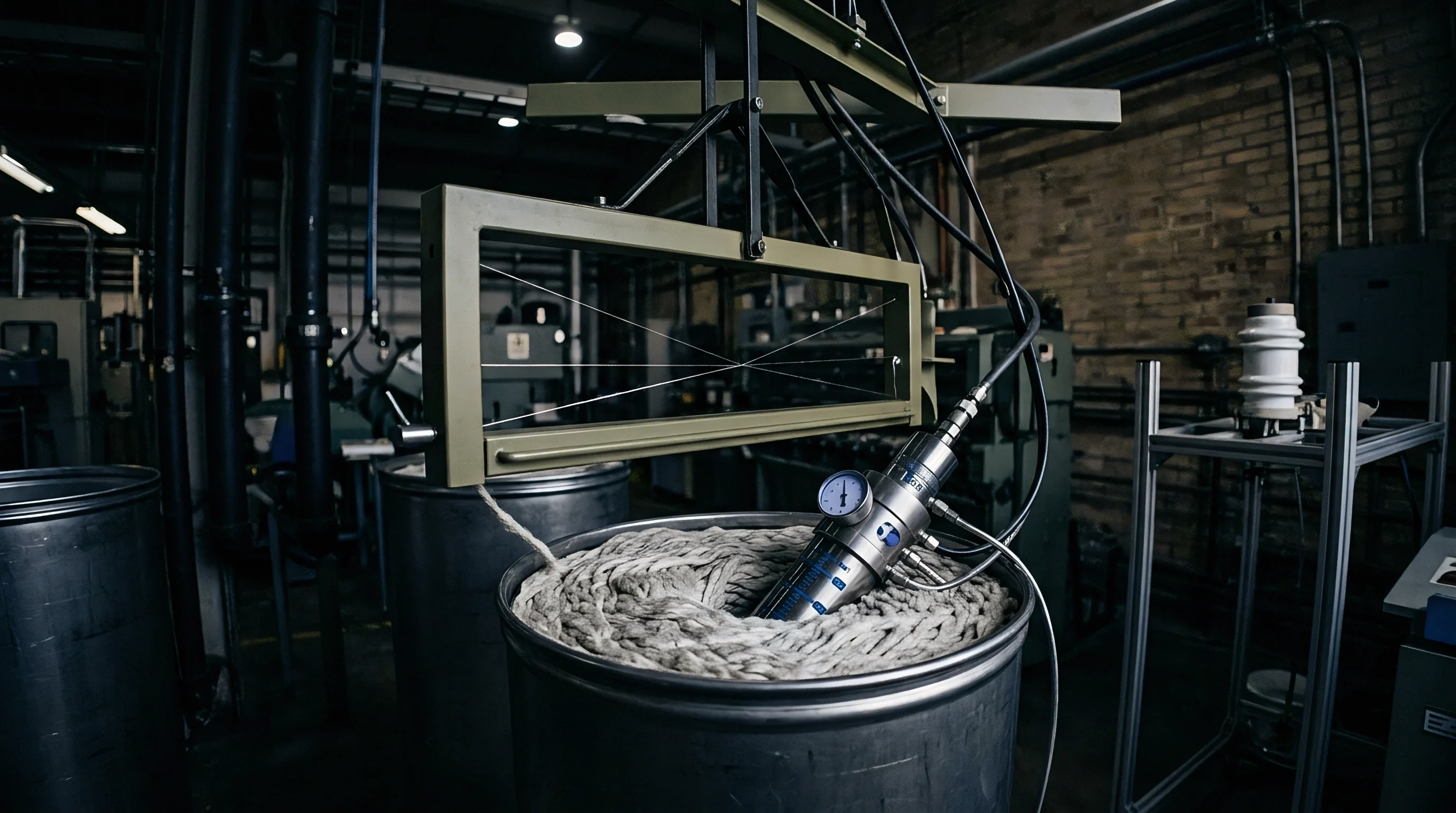
Physical measurement transducers lack the chemical specificity to distinguish alkali species. Atmospheric carbon dioxide continuously dissolves into hot open-air caustic baths, reacting with sodium hydroxide to yield sodium carbonate. While sodium carbonate contributes to bath density and refractive index, it lacks the chemical strength needed to swell native cotton crystallites into cellulose II.
As carbonates build over time, a bath measured solely by optical refractometry may register 26 degrees Baumé, suggesting adequate mercerizing strength when 3 degrees Baumé of that reading actually stems from dissolved sodium carbonate and organic lint residues. That leaves active sodium hydroxide at only 23 degrees Baumé, causing fabric to exit the padding mangle partially mercerized. Volumetric titration isolates active hydroxide from weak carbonate bases, providing the baseline verification required to adjust physical sensor offsets.
Double Indicator Neutralization Procedures
Accurate laboratory verification relies on volumetric acid additions performed in two distinct reaction stages. The Warder titration method uses phenolphthalein and methyl orange indicators ~ or automated potentiometric equivalents ~ to differentiate active sodium hydroxide from sodium carbonate. Adding standardized 1.0 Normal hydrochloric acid to a bath sample neutralizes all free hydroxide ions and converts carbonate ions into bicarbonate ions at the phenolphthalein endpoint around pH 8.3.
Continuing acid addition down to the methyl orange endpoint around pH 3.8 converts those bicarbonate ions into carbonic acid.
The Winkler method offers higher precision when mercerizing liquors carry heavy organic loads. Adding neutral barium chloride solution precipitates dissolved carbonate ions as insoluble barium carbonate. Titrating the supernatant liquor with standard acid then yields the exact free sodium hydroxide content without carbonate interference.
Subtracting that free hydroxide volume from a total alkali titration performed without barium chloride gives the exact sodium carbonate concentration in the bath circuit.
- Pipette exactly 5.00 milliliters of filtered mercerization bath liquor into a 250-milliliter volumetric flask containing 50 milliliters of distilled water.
- Add 20 milliliters of 10 percent neutral barium chloride aqueous solution to precipitate dissolved carbonates as barium carbonate.
- Add 3 drops of 1 percent phenolphthalein indicator solution, turning the sample liquid bright magenta.
- Titrate the sample with standardized 1.000 Normal hydrochloric acid until the pink color vanishes completely, recording acid volume V1.
- Add 3 drops of 0.1 percent methyl orange indicator to a separate non-barium treated 5.00 milliliter sample and titrate to the reddish-orange endpoint, recording total acid volume V2.
- Calculate active sodium hydroxide concentration using V1 multiplied by acid normality and equivalent weight factor.
- Calculate sodium carbonate concentration by subtracting V1 from V2 and scaling the difference by the carbonate stoichiometric factor.
Failure to isolate sodium carbonate during bath concentration testing voids compliance with ISO 2297 mercerization efficiency benchmarks.
Maintaining an off-line wet chemistry log remains standard practice for calibrating continuous inline optical and density instruments.

Sludge
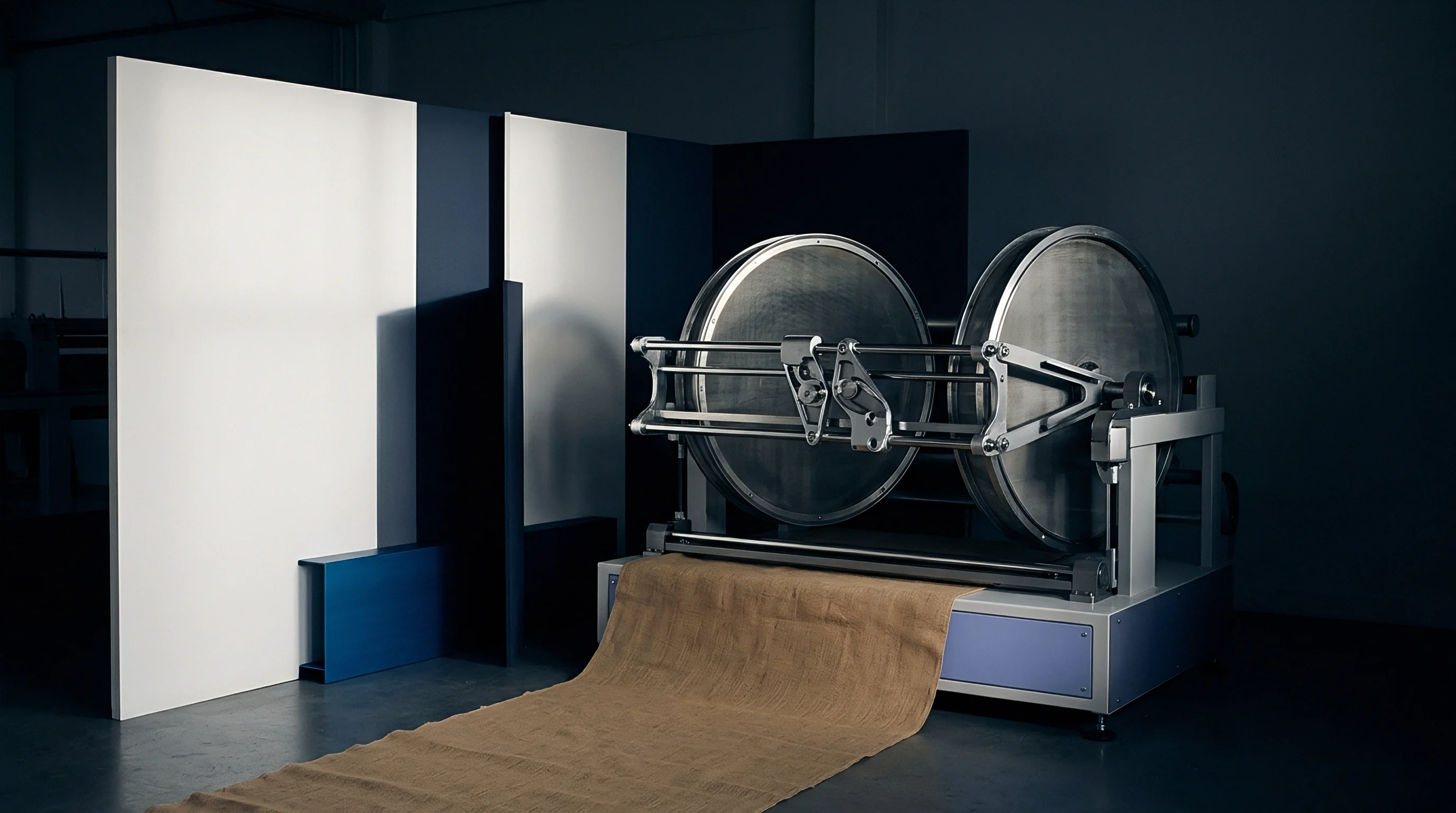
Fabric impurities and dissolved sizing agents accumulate rapidly within continuous bath recycling circuits. Grey cotton fabric entering the mercerizing mangle carries natural non-cellulosics, residual size, waxes, pectins, and loose lint. Under concentrated sodium hydroxide exposure, low-molecular-weight cellulosics and hemicelluloses dissolve directly into the caustic liquor, creating a viscous, yellow-brown mixture.

Hemicellulose Accumulation and Refractive Offset
Unbleached grey fabric introduces substantial quantities of pectin, natural waxes, and short-chain cellulosics into the caustic bath during padding. Dissolved hemicellulose increases liquor viscosity and alters light refraction independently of sodium hydroxide concentration. Without adequate bath bleeding or caustic recovery purification, a continuous mercerizing line experiences steady organic buildup.
As dissolved hemicellulose concentration reaches 30 to 50 grams per liter, density meters drift and optical refractometers overestimate active alkali content by 1.5 to 2.5 degrees Baumé. Coriolis mass meters read total mass increase from dissolved organics, reporting elevated density values that mask active caustic depletion. Wetting agents added to speed alkali penetration further compound physical measurement errors: anionic cresol-free mercerizing surfactants alter liquor surface tension and refractivity, requiring specific sensor calibration curves tailored to dosing levels.
| Contaminant Species | Source Material | Effect on Refractometer | Effect on Density Meter | Corrective Action |
|---|---|---|---|---|
| Dissolved Hemicellulose | Cotton fiber primary wall breakdown | Falsely elevates reading (+1.0 to +2.5 °Bé) | Falsely elevates density reading | Winkler titration correction factor application |
| Sodium Carbonate (Na₂CO₃) | Atmospheric CO₂ absorption | Slight elevation of optical Brix | Elevates density (+0.1 °Bé per 5g/L carbonate) | Differential titration; scheduled bath renewal |
| Starch / PVA Size Residue | Incompletely desized fabric web | Increases turbidity, coats optical prism | Minor density increase, severe viscosity spike | Automated high-pressure prism washing jets |
| Mercerizing Wetting Agent | Sufactant bath additions | Shifts refractive baseline (-0.3 to +0.5 °Bé) | Negligible impact on mass density | Sensor zeroing in presence of raw surfactant |
Financial Consequences of Concentration Drift
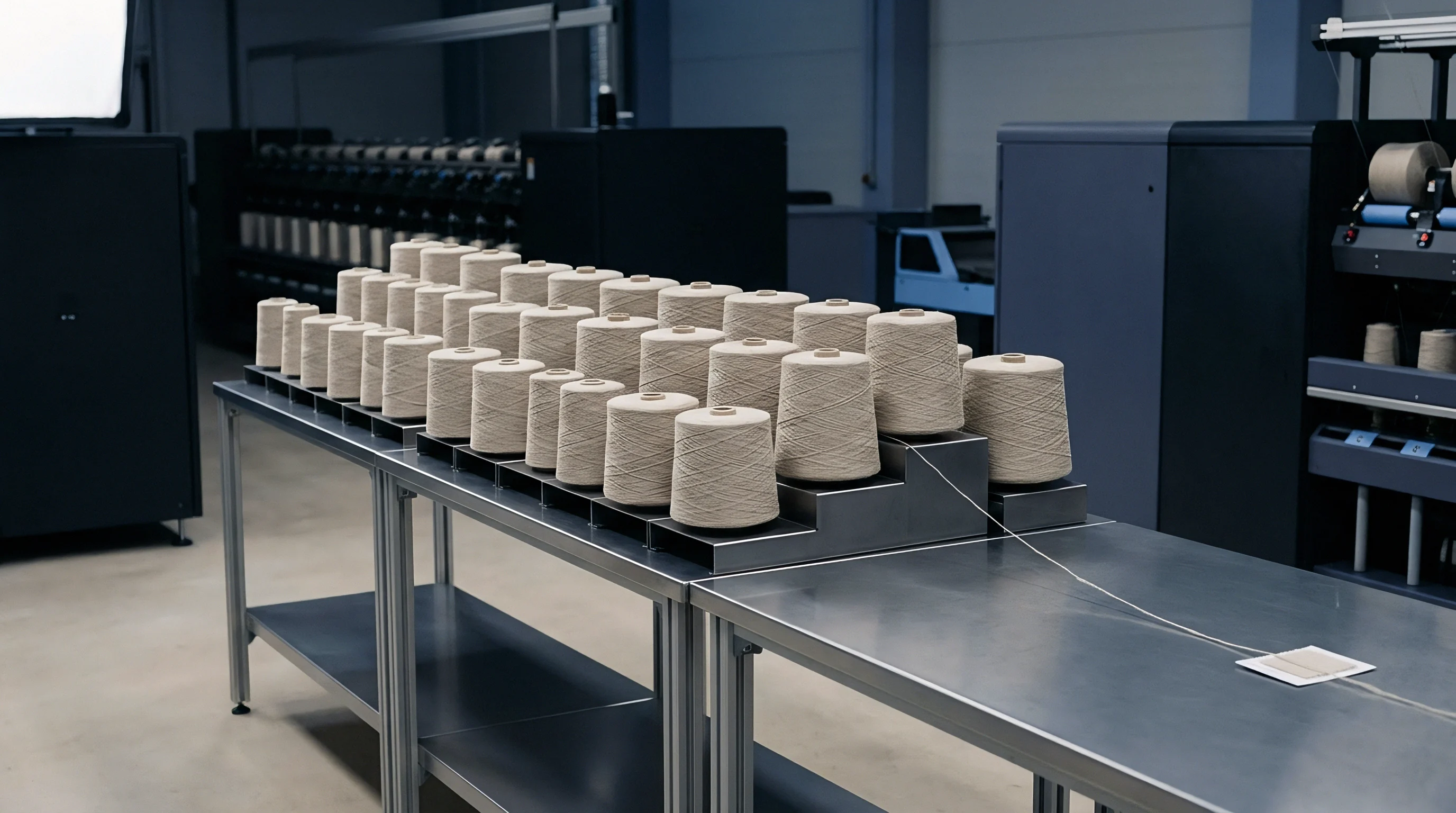
Sub-optimal sodium hydroxide concentration during padding yields incomplete fiber conversion that becomes visible only after reactive dyeing. In a standard production run of 50,000 meters of 240 gram per square meter woven cotton twill fabric processed through a continuous mercerization range, relying on an uncalibrated optical refractometer reading 27 degrees Baumé can hide severe deficits. Dissolved hemicellulose and sodium carbonate might contribute 3.5 degrees Baumé to the optical signal, masking an active sodium hydroxide concentration that has dropped to 23.5 degrees Baumé (218 grams per liter).
At 23.5 degrees Baumé, alkali fails to penetrate the core of dense yarns, producing a low Barium Activity Number of 122 instead of the specified 145 minimum required for full mercerization. When dyed with reactive dyes, color yield drops by 18 percent compared to the master swatch, creating side-to-center shading and barré streaks down the roll. A buyer rejecting the entire 12,000-kilogram batch at final inspection exposes the mill to a direct rejection penalty of $175,000 on fabric costing $3.50 per meter to produce.
Because re-mercerizing dyed goods is impossible, the rejected fabric must be liquidated as scrap at secondary clearance rates of $0.80 per meter, leaving a net financial loss of $135,000 from a single uncorrected 3.5 degree Baumé measurement drift.
Surfactants introduced during processing alter liquor surface tension.
Optical windows foul quickly when mechanical cleaning systems are absent.
- Prism Surface Film Deposition ~ Dissolved sizing materials and insoluble calcium soaps form thin optical coatings over synthetic sapphire windows, systematically dampening refractive light signals.
- Entrained Gas Micro-Bubbles ~ High-speed liquor recirculation pumps inject microscopic air bubbles into the measurement stream, causing acoustic scattering in ultrasonic transducers and false low density spikes in Coriolis meters.
- Thermal Stratification in Sump Vessels ~ Inadequate mechanical agitation allows cold incoming makeup caustic to layer beneath warm recirculated bath liquor, causing sensor loop oscillation and violent dosing pump hunting.
- Carbonate Saturation Precipitation ~ Exceeding sodium carbonate solubility limits in cold caustic recovery returns causes salt crystallization inside small-diameter sensor sampling lines, choking sample flow completely.
Undetected density drift from bath contamination transfers full financial liability for rejected, off-shade fabric to the finishing mill under standard purchase agreements.
Yield
Tensile strength gains and dye absorption factors determine the final commercial grade of mercerized cotton goods. Verification protocols must confirm that physical alkali control on the production floor translates directly into structural cellulose conversion on laboratory tests.

Barium Activity Number Verification Requirements
Quantitative assessment of cellulosic crystal conversion relies on relative absorption ratios of heavy metal salts. ISO 2297 and AATCC Test Method 89 define the protocol for determining the Barium Activity Number of mercerized fabric, comparing the amount of barium hydroxide absorbed by the mercerized specimen against an unmercerized cotton control sample treated under identical conditions.
Unmercerized cotton exhibits a baseline Barium Activity Number of 100, while fully mercerized fabric achieving complete cellulose II transformation yields values between 145 and 160. Readings between 115 and 135 indicate incomplete semi-mercerization, tracing back to bath concentrations below 24 degrees Baumé or bath temperatures above cold process thresholds. Brand compliance auditors specify minimum Barium Activity Numbers in purchase contracts to ensure maximum dye yield, enhanced luster, and dimensional stability through laundering.
A Barium Activity Number below one hundred and thirty-five indicates caustic concentration fell beneath twenty-two degrees Baumé during padding.

Contractual Tolerance Limits in Mill Specifications
Global buyer compliance standards require strict conformity between batch test certificates and shipped roll swatches. When an auditor pulls production samples from imported fabric containers, laboratory tests cross-check Barium Activity Numbers, residual pH, and tensile strength against the original mill qualification dossier. Discrepancies between certified test reports and container swatches trigger immediate commercial hold procedures at destination ports.
- Barium Activity Number Minimum ~ Contracts specify an absolute floor of 140 for cold mercerized apparel fabrics, tested per ISO 2297 with zero negative tolerance allowed on batch averages.
- Residual Alkali Limit ~ Finished fabric core pH must register strictly between 6.0 and 7.5 following neutralization and rinsing, verified via ISO 3071 aqueous extract testing to prevent shade yellowing.
- Tensile Strength Gain Threshold ~ Mercerized warp yarns must show a minimum 15 percent increase in breaking force over unmercerized grey yarn baselines when tested under ISO 13934-1 strip methods.
- Continuous Bath Concentration Log ~ Mills must supply automated 24-hour sensor log records demonstrating active sodium hydroxide control within plus or minus 0.5 degrees Baumé of target specifications for every certified lot.
What sensor calibration routine best resolves the conflict between online speed of sound data and laboratory titration results when processing heavily sized cotton web?