
Determining Mercerized Cotton Percentage in Binary Textile Blends
Binary blend mercerized cotton testing pairs chemical solvent removal of non-cottons with Barium Activity Number analysis to isolate treated fiber percentages.
Binary blend mercerized cotton testing pairs chemical solvent removal of non-cottons with Barium Activity Number analysis to isolate treated fiber percentages.

Asymmetric particulate migration in heavy mercerized twill drops below CMC 0.4 Delta E when IR pre-drying reduces moisture content to 32 percent before air impingement.

Dissolved hemicellulose raises refractive index independently of sodium hydroxide concentration, forcing titrimetric validation for accurate lye recovery control.
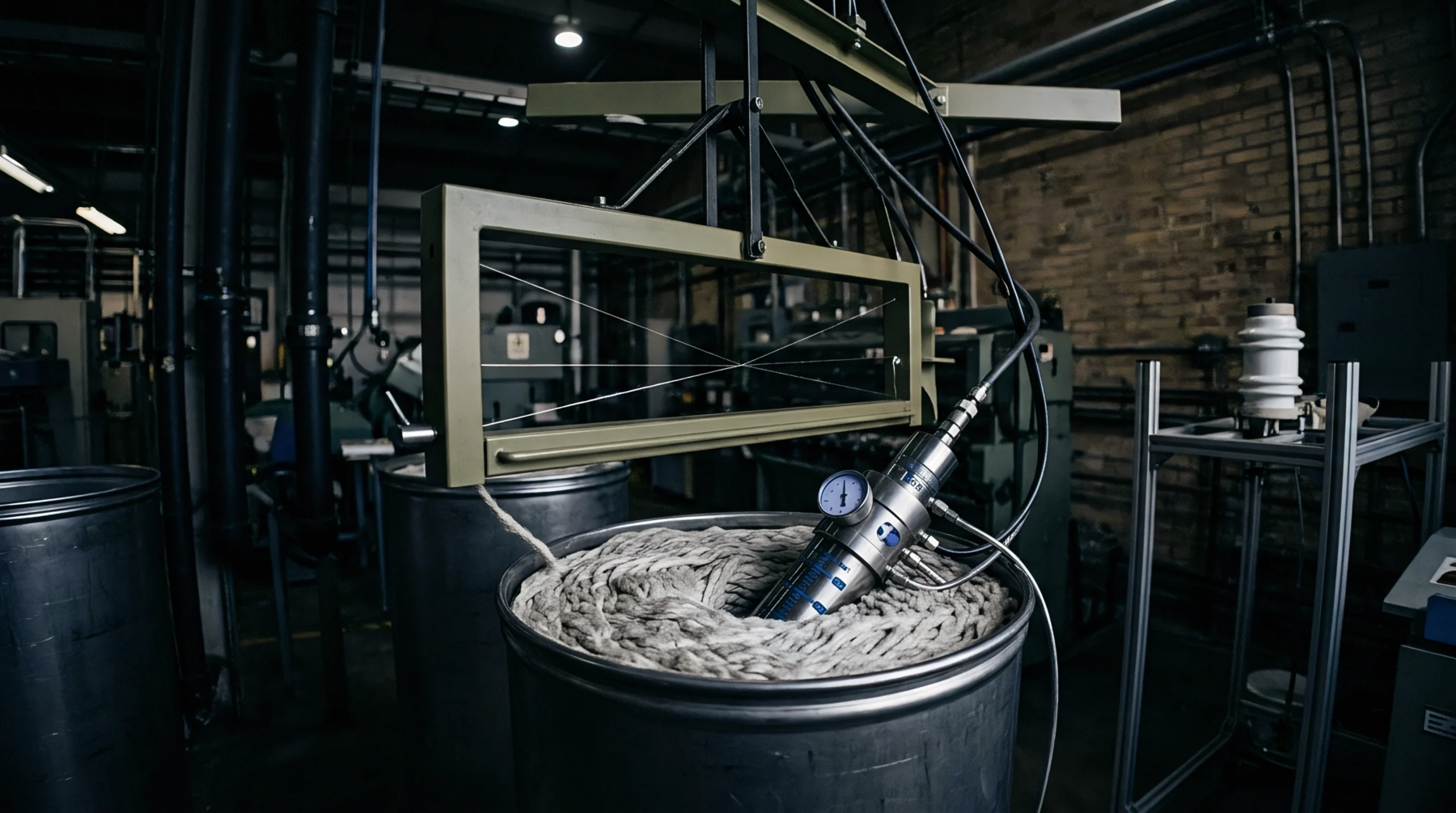
Continuous caustic measurement demands titrametric validation to separate active sodium hydroxide from carbonate and hemicellulose accumulation.
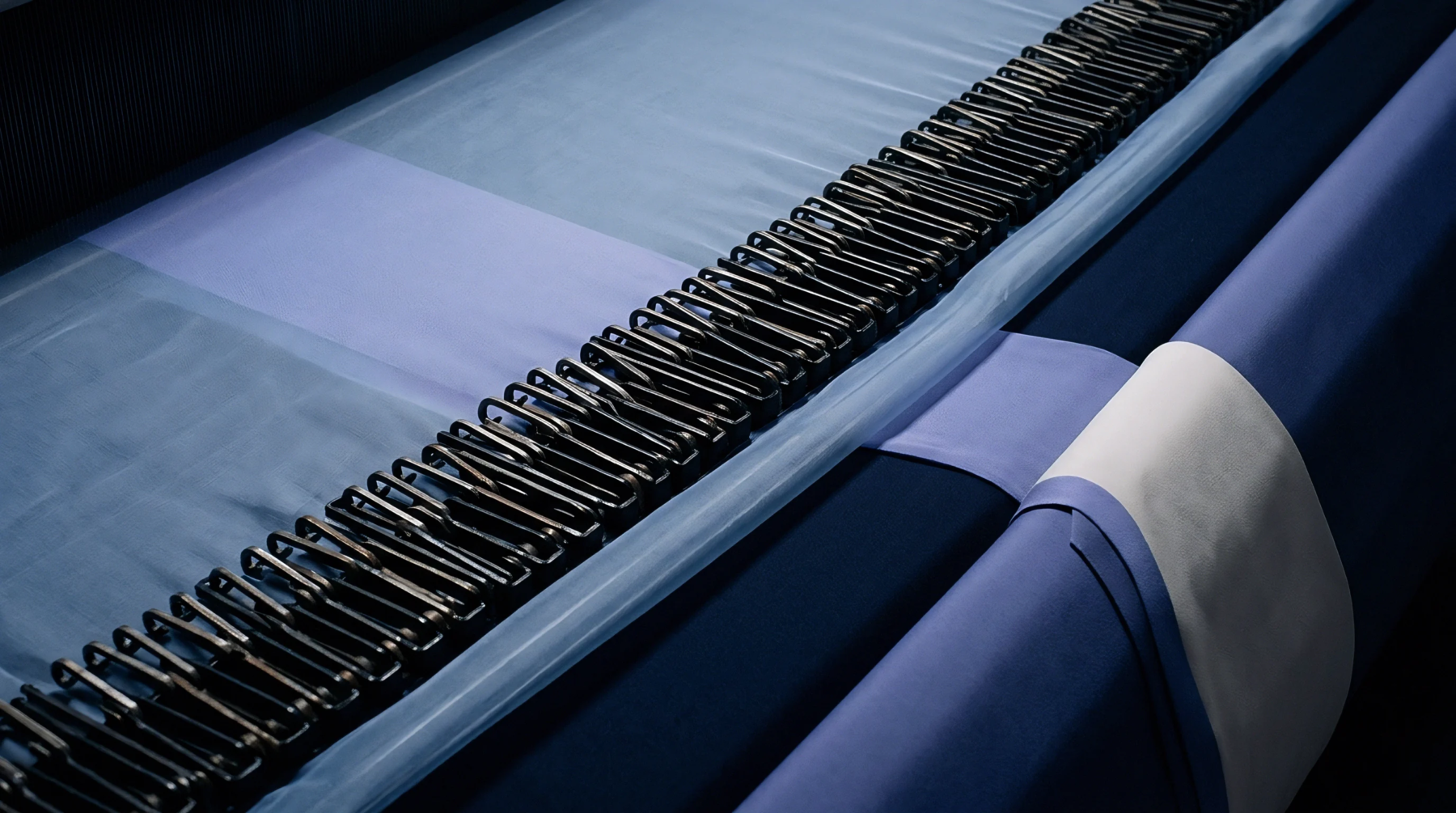
Dynamic Pitzer activity coefficient compensation in caustic probe transmitters eliminates non-linear concentration errors across high-molality textile baths.
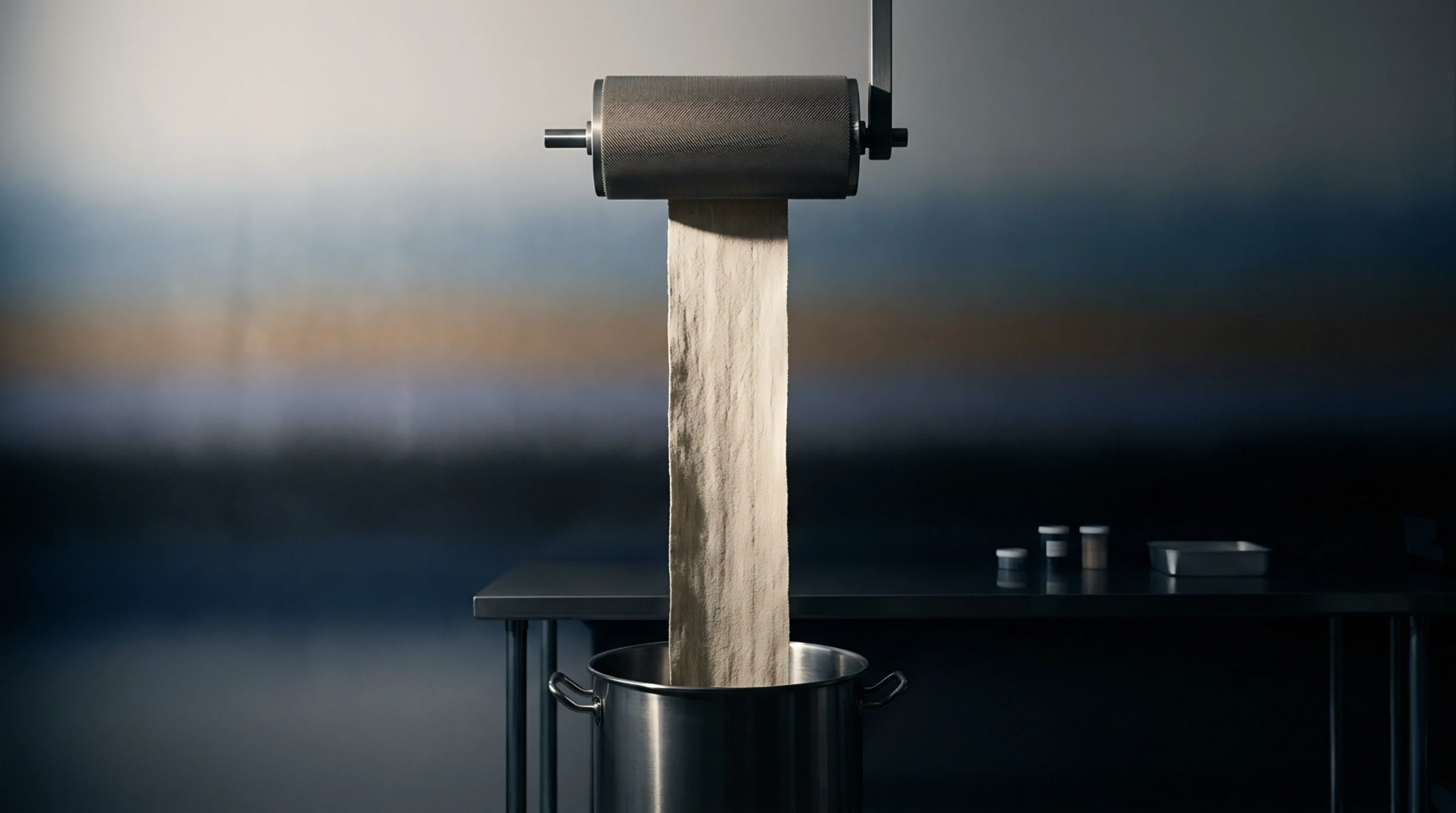
Dynamic heat balance models account for non-linear enthalpy and viscosity shifts in caustic baths to ensure uniform cellulose conversion and prevent batch rejections.

Mercerizing plied cotton demands lowering caustic surface tension below 35 mN/m using cresol-free organophosphates to achieve complete core yarn penetration
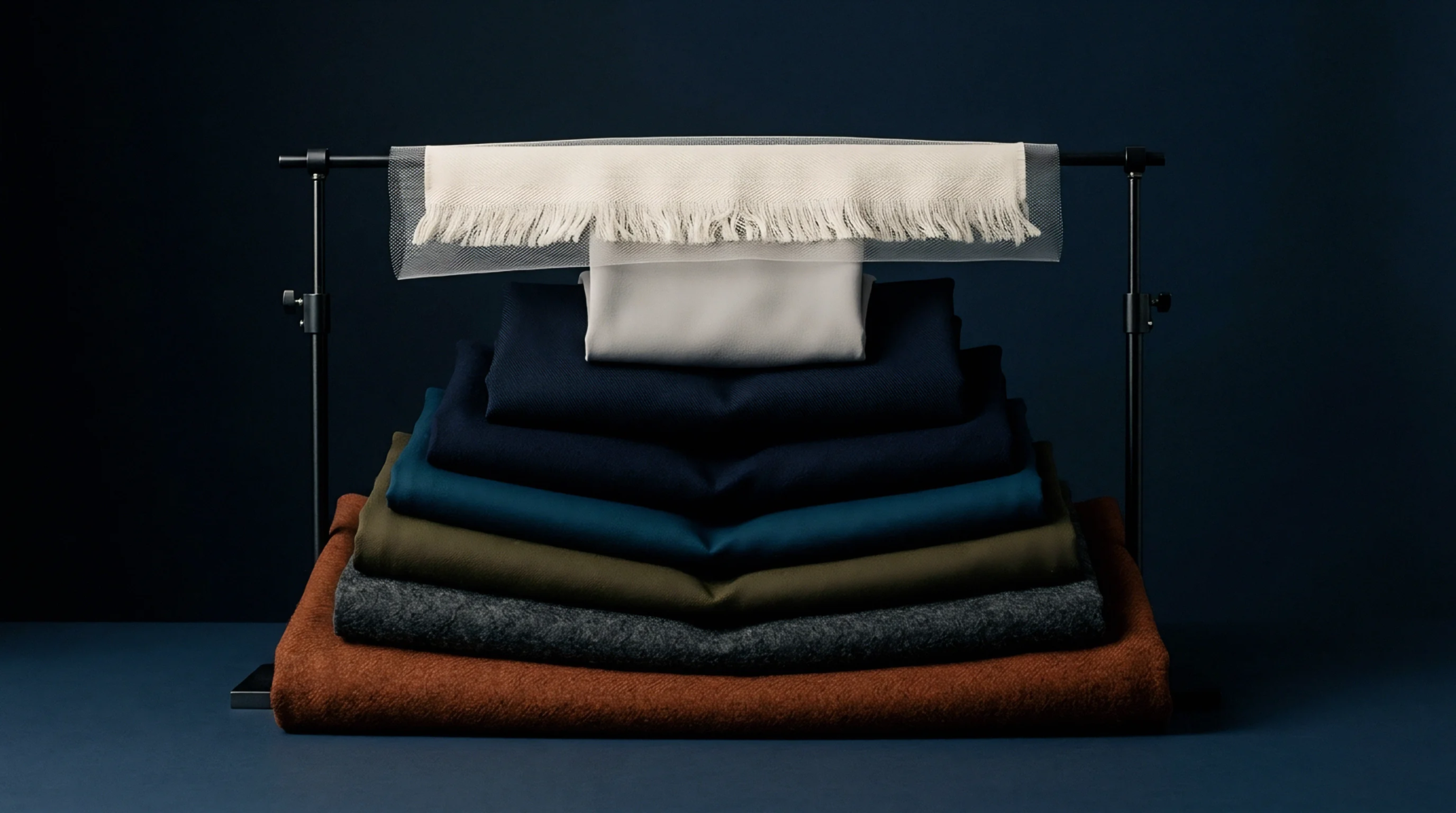
Mercerization converts cotton to Cellulose II, expanding mesopores to boost dye absorption and requiring controlled salt and alkali dosing to prevent twill core ring dyeing.
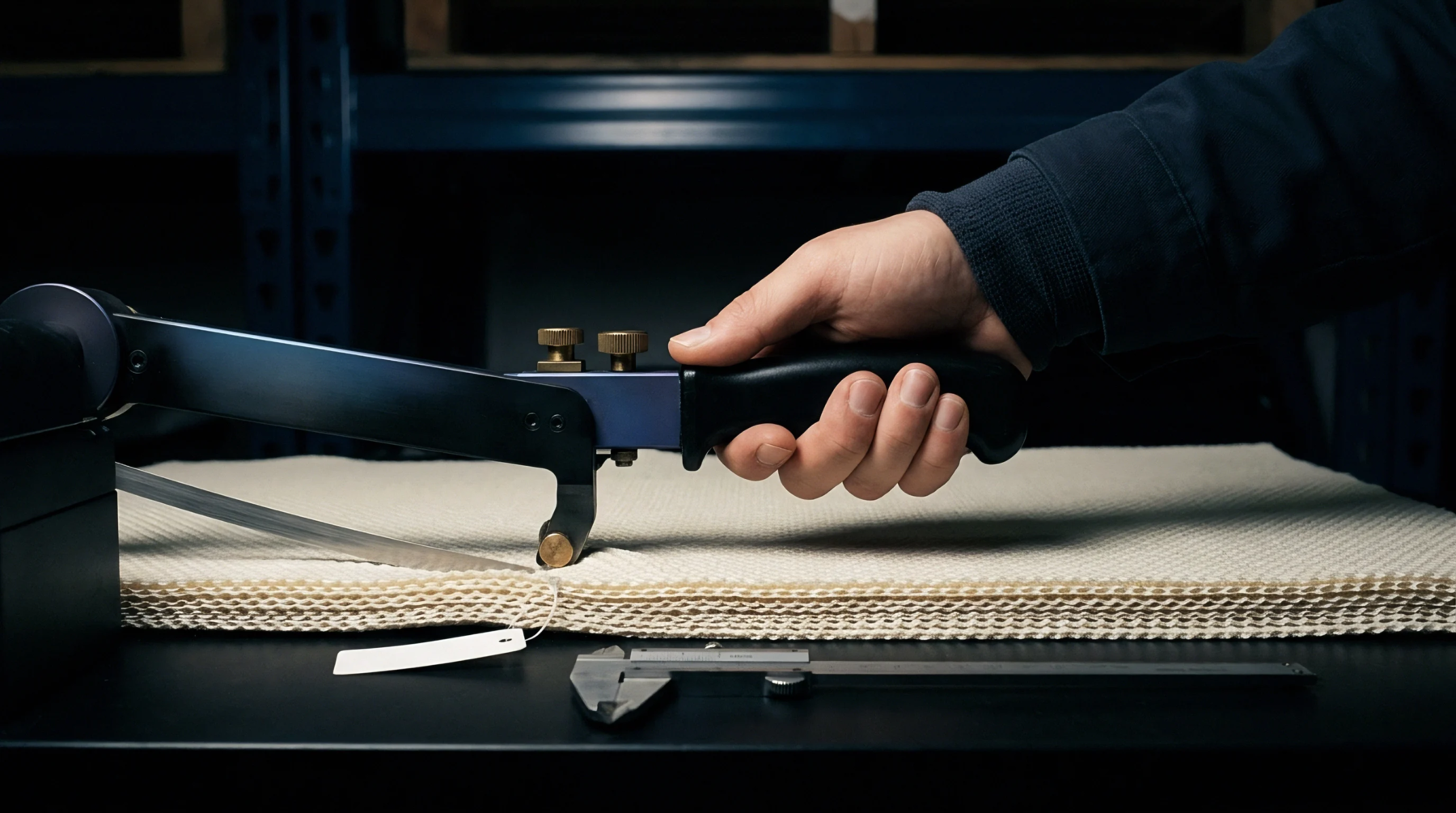
Sub-micron shear dissipation accelerates cellulose deprotonation, allowing lower alkali concentration while boosting yarn tenacity and dye affinity.

Core penetration in dense canvas requires high-tonnage pad nip extraction, de-aerating auxiliaries, and low-strike vat or bis-MCT reactives to prevent frosting.
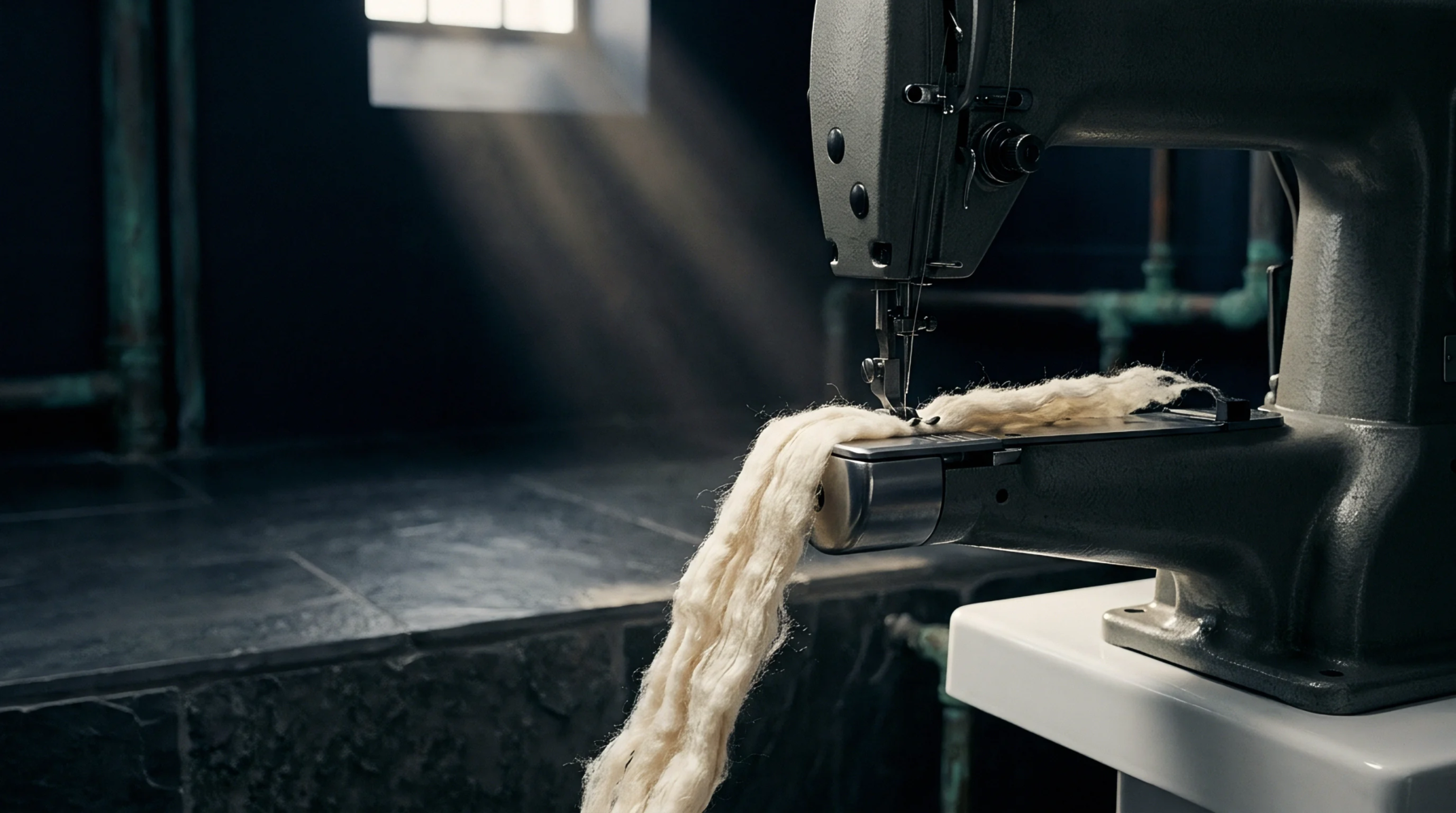
Heavy cotton duck demands high-penetration singeing, enzymatic desizing, deep caustic scouring, and tensioned mercerization to clear core impurities.

Continuous scouring and mercerization of heavy cotton demands high-temperature wetting, chilled 30 Baumé lye, positive chain tension, and core acid neutralization.

Automated two-endpoint potentiometric titration separates active hydroxide from carbonate impurities, preventing false hydrometer readings in mercerizer baths.
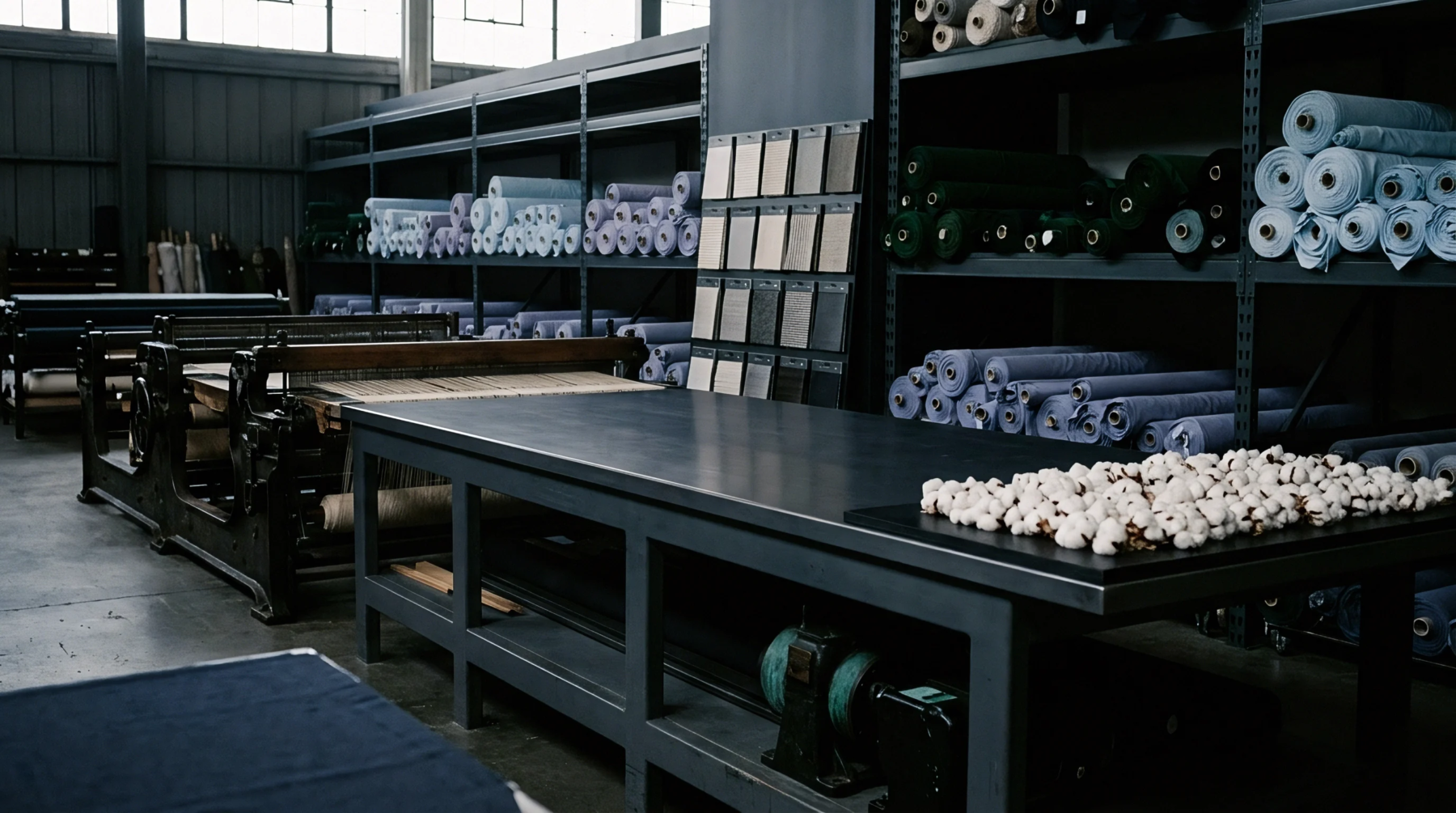
Audit scopes must encompass spinning inputs through subcontract finishing lines to hold prime vendors liable for latent wet processing defects.

Caustic mercerization expands microfibrillar mesopore volume, accelerating reactive dye diffusion kinetics and reducing required electrolyte loads by 40 percent.

Calibrating cold pad batch dosing ratios requires synchronized dye-to-alkali volumetric displacement to prevent reactive dye hydrolysis and batch shade tailing.
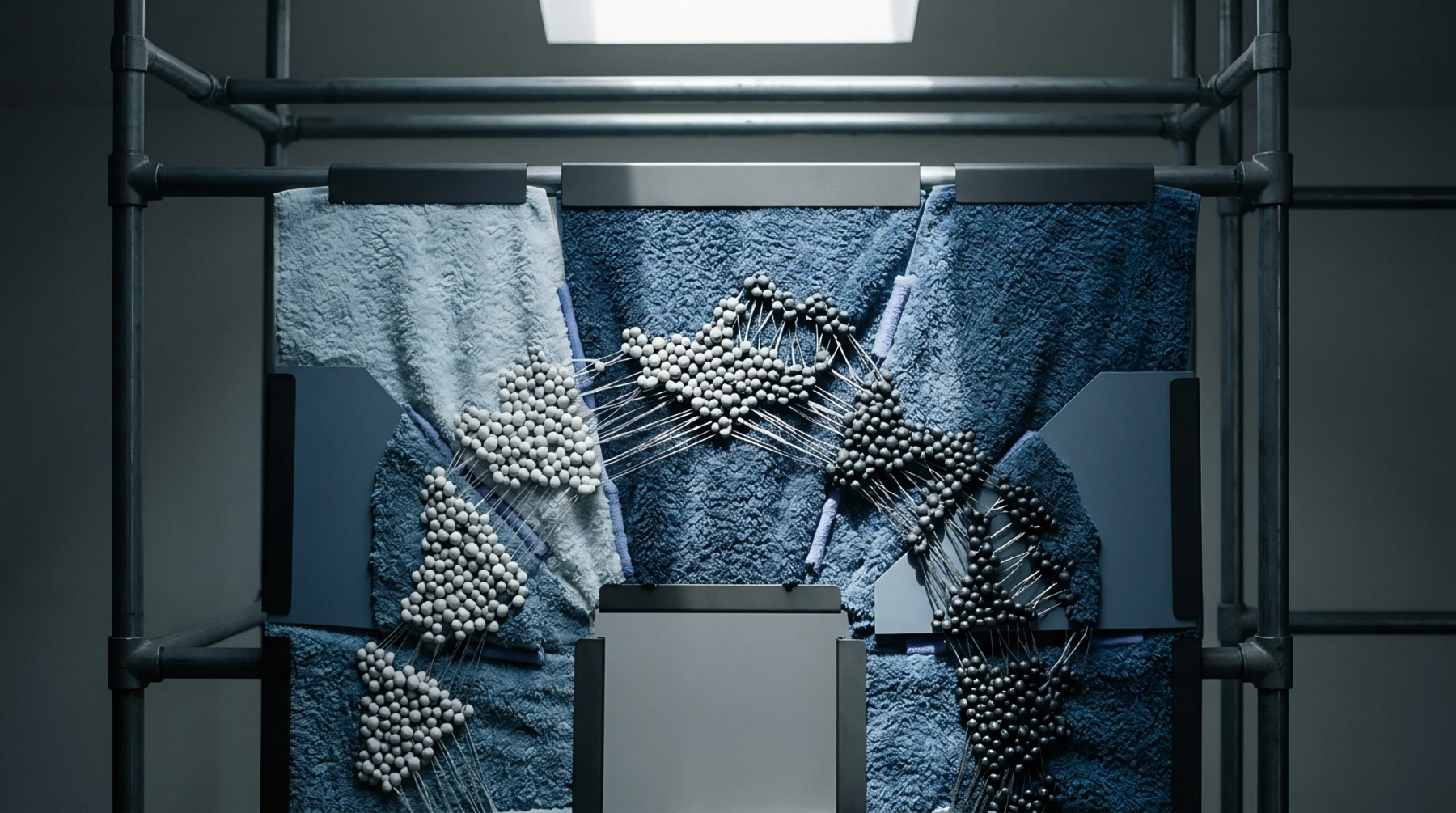
Controlled progressive alkali dosing prevents premature vinyl sulfone hydrolysis and maximizes heterobifunctional reactive dye covalent fixation on cotton.

Optimizing continuous padding on mercerized heavy twills requires balancing 65% wet pick-up against dynamic surface tension to ensure complete core penetration.
Preparation of heavy cotton twill requires 85-degree flame singeing, dual-dip enzymatic desizing, open-width alkaline scouring, and 28 Baumé mercerization.
Expertise is a utility, not a secret. sentiention™ publishes its working knowledge as open reference: intelligence layer covering the materials it sources, the markets it enters, and the reference that serves both.