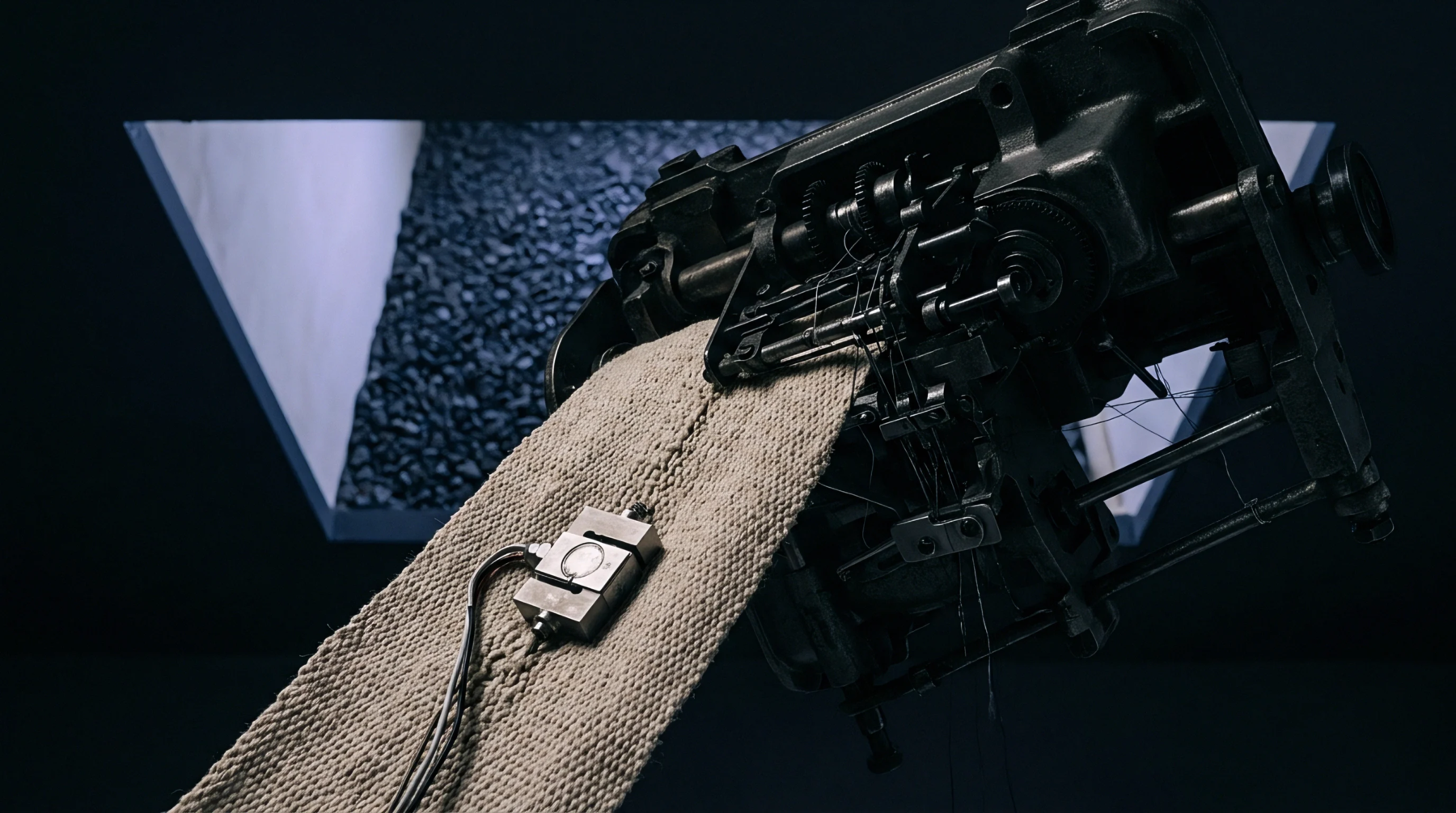
Control Mechanism
Powered heat-flux regulation hardware adjusts surface heat transfer rates to maintain targeted substrate temperature during texturing or garment wear. Continuous thermal adjustment prevents structural degradation of heat-sensitive synthetic filament yarns during high-speed drawing. In technical apparel and yarn processing, active thermal stabilization uses closed-loop temperature sensors and electric heat elements to hold narrow thermal tolerances.
The operational boundary stops where passive phase-change microcapsules operate without external electrical power input.
System Dynamics
Integrated thermal sensors feed real-time surface voltage signals to microcontrollers that continuously balance resistance heating coils against ambient heat dissipation. Rapid modulation prevents heat accumulation from thermal inertia, stabilizing the crystalline orientation of drawn nylon or polyester filaments. When yarn processing speed accelerates, active thermal stabilization increases energy delivery to keep heat transfer uniform across every meter of passing fiber.
Fluctuations in ambient factory temperature or drafts across the texturing zone trigger immediate voltage corrections before yarn tension deviates from specification tolerances. Immediate voltage corrections maintain uniform tensile strength across bulk production lots.
Energy Boundary
Electrical power limits define the maximum thermal delta reachable by heating elements within small form-factor wearable electronics or compact heat exchangers. Current draw increases linearly with heat transfer requirements across high-velocity yarn paths. Thermal dissipation capacity limits system response when ambient temperatures exceed the cooling capability of solid-state thermoelectric modules.
Performance Verification
Thermal camera mapping records surface heat uniformity across texturing zones under load. Laboratory testing according to ASTM D7027 procedures evaluates heat transfer efficiency under variable mechanical stress. Measurements verify that active thermal stabilization prevents local overheating and eliminates structural variation across bulk synthetic yarn runs.