Analytical Protocol
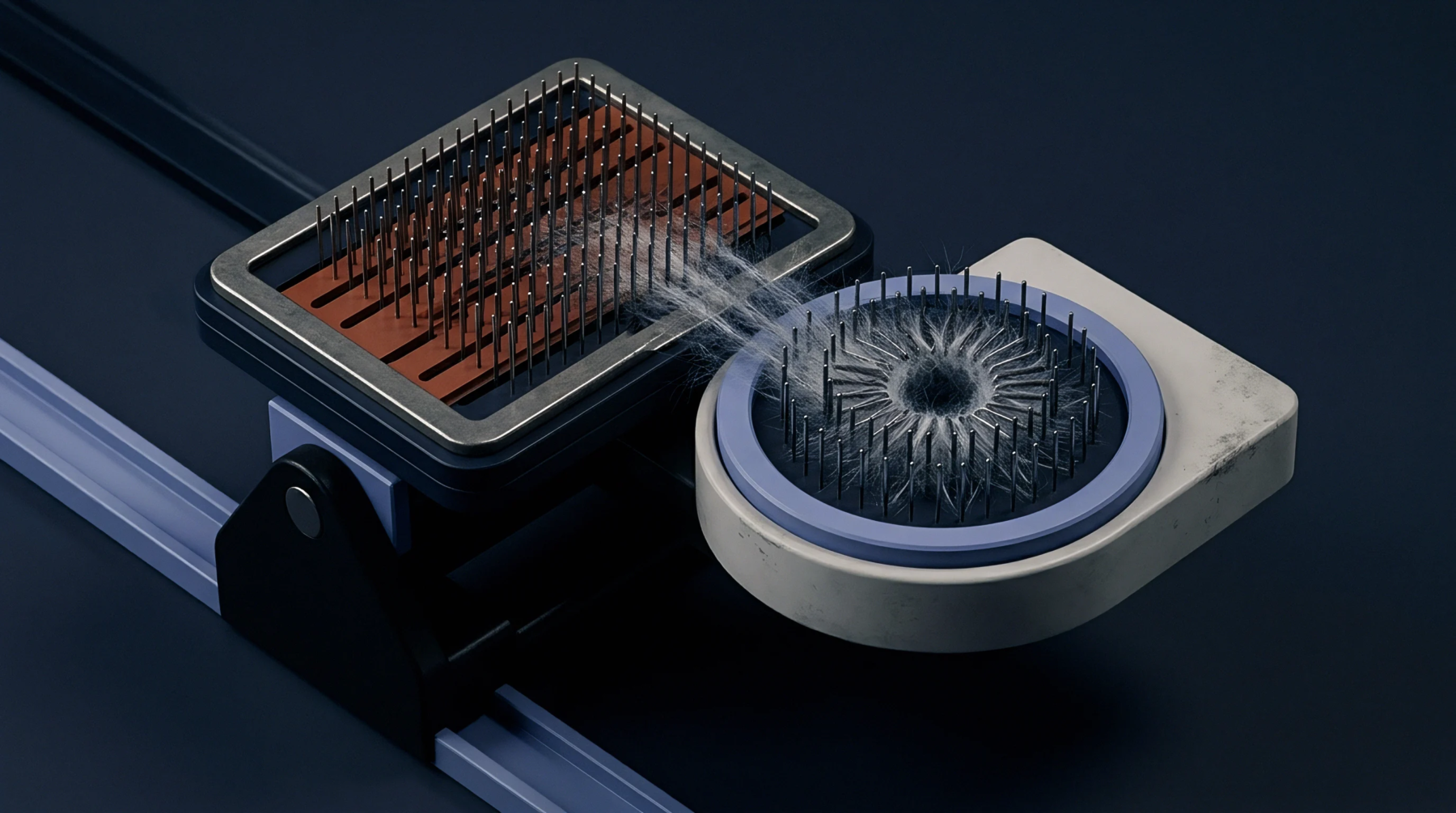
Automated assessment of individual fibre properties provides the data needed for mill process optimisation. Standard afis testing identifies the physical state of cotton through mechanical opening and aero-dynamic transport. Individual fibres pass through optical sensors that record diameter and length at high speed.
Individual Measurement
Sensors within the equipment capture data on neps and dust alongside the length distribution. While high volume instrument testing gives an average, afis testing looks at every fibre in the sample individually. This allows the system to identify the presence of small seed coat fragments that otherwise escape detection.
Contamination Check
Monitoring the level of trash and dust ensures that cleaning machinery in the blowroom operates at the required efficiency. Data from afis testing indicates whether the carding process removes enough impurities to meet the requirements of the spinning frame. Excessive neps in the sample suggest that the mechanical treatment is too aggressive or that the wire on the card is dull.
Spinning Prediction
Yarn quality depends heavily on the distribution of short fibres identified during the test. Low maturity readings suggest that the resulting fabric will suffer from dyeing irregularities and white specks. Careful tracking of these metrics helps the mill decide which cotton lots to blend for specific end uses.
Consistent application of results reduces the risk of expensive rejections at the finished garment stage. High levels of short fibre often lead to excessive hairiness in the final yarn. This complete profile allows a spinner to adjust the comber settings to achieve the desired balance between waste and quality.