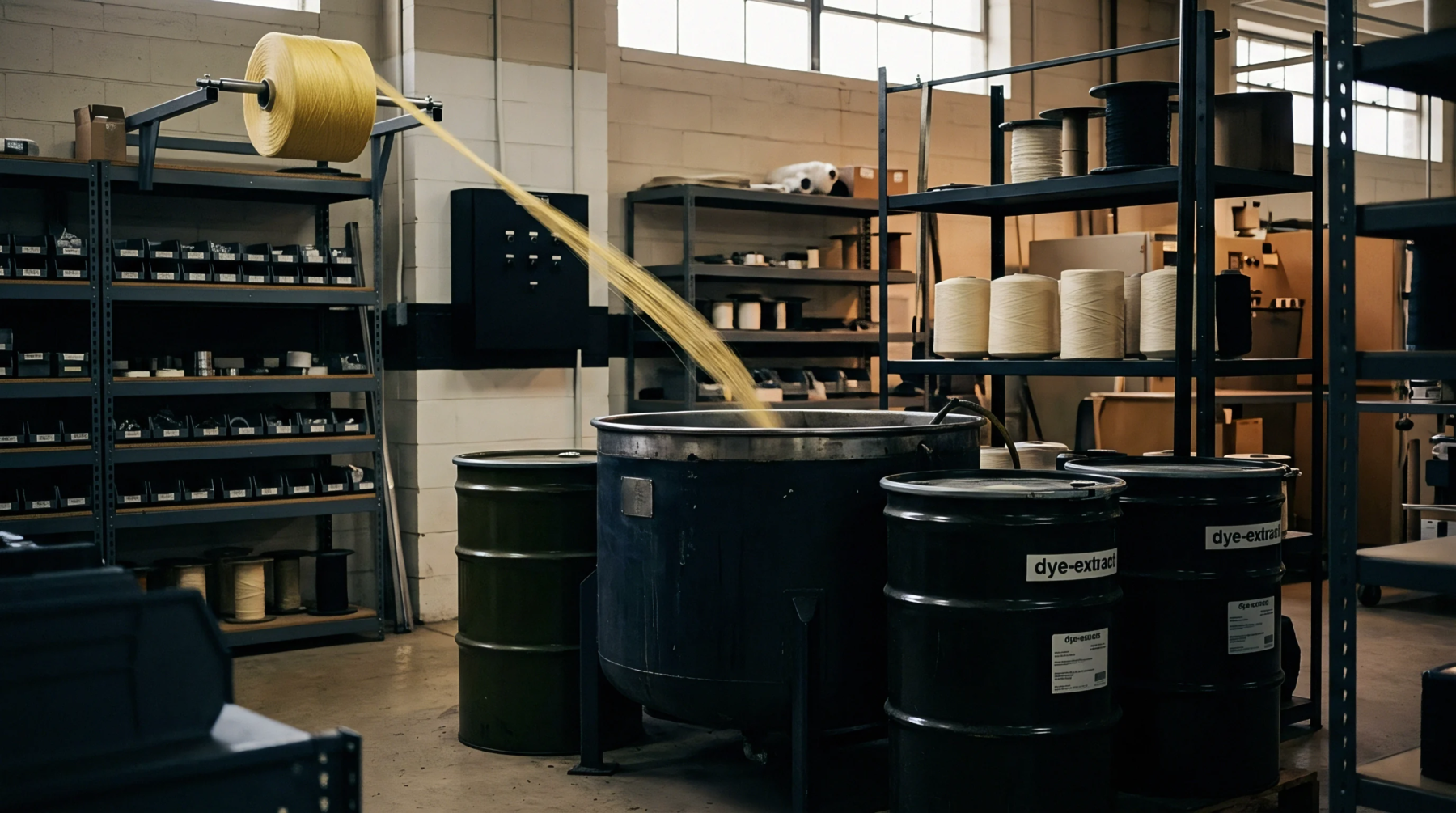
Solution Extraction
The chemical preparation bath for textile testing requires specific proportions of water and reagents to isolate soluble residues from dyed or finished substrates. Aqueous extract liquor designates the liquid phase obtained after boiling a textile specimen in distilled or demineralized water under prescribed conditions of time and temperature. Technicians apply this analytical solution to quantify residual water-soluble sizing agents, unfixed reactive dyes, or finishing chemical residues remaining on cotton and synthetic yarn packages.
Standard laboratory methods govern the extraction procedure to ensure repeatability across commercial testing houses and mill quality laboratories. Subsequent analytical steps measure pH values, electrical conductivity, or specific chemical concentrations within the recovered liquid.
Solution Titration
Analytical procedures applied to the extracted liquid determine the precise concentration of ionic contaminants or finishing chemicals present in the fabric batch. Technicians utilize acidimetric titration methods to calculate the residual acidity or alkalinity of the sample after standard boiling protocols. Standardized hydrochloric acid or sodium hydroxide solutions react with the extract until color indicators signal neutralization endpoints.
Mathematical conversion factors translate the volume of titrant consumed into mass percentages relative to the dry weight of the textile specimen.
Residue Quantification
Gravimetric analysis of the remaining liquid phase reveals the total mass of water-soluble matter stripped from the fiber matrix during thermal agitation. Evaporating the solvent under controlled drying temperatures leaves behind a solid deposit composed of salts, surfactants, and unreacted auxiliary compounds. Analytical balances measure the mass difference of the evaporation dish before and after drying to establish parts per million ratios.
Excess dissolved solids indicate inadequate rinsing protocols within continuous dyeing ranges or poorly managed neutralization stages prior to final packaging.
Compliance Verification
Regulatory frameworks and brand restricted substance lists establish maximum allowable limits for specific chemical constituents recovered from apparel and technical textiles. Brand auditors evaluate laboratory certificates detailing the properties of the extraction liquid to verify that finished goods meet human ecological standards. Exceeding established thresholds for formaldehyde release, heavy metal leaching, or surfactant residues results in immediate rejection of the production lot at the port of entry.
Proper documentation of the extraction parameters provides the legal baseline for settling commercial disputes between buying houses and manufacturing facilities.