Centripetal Tension
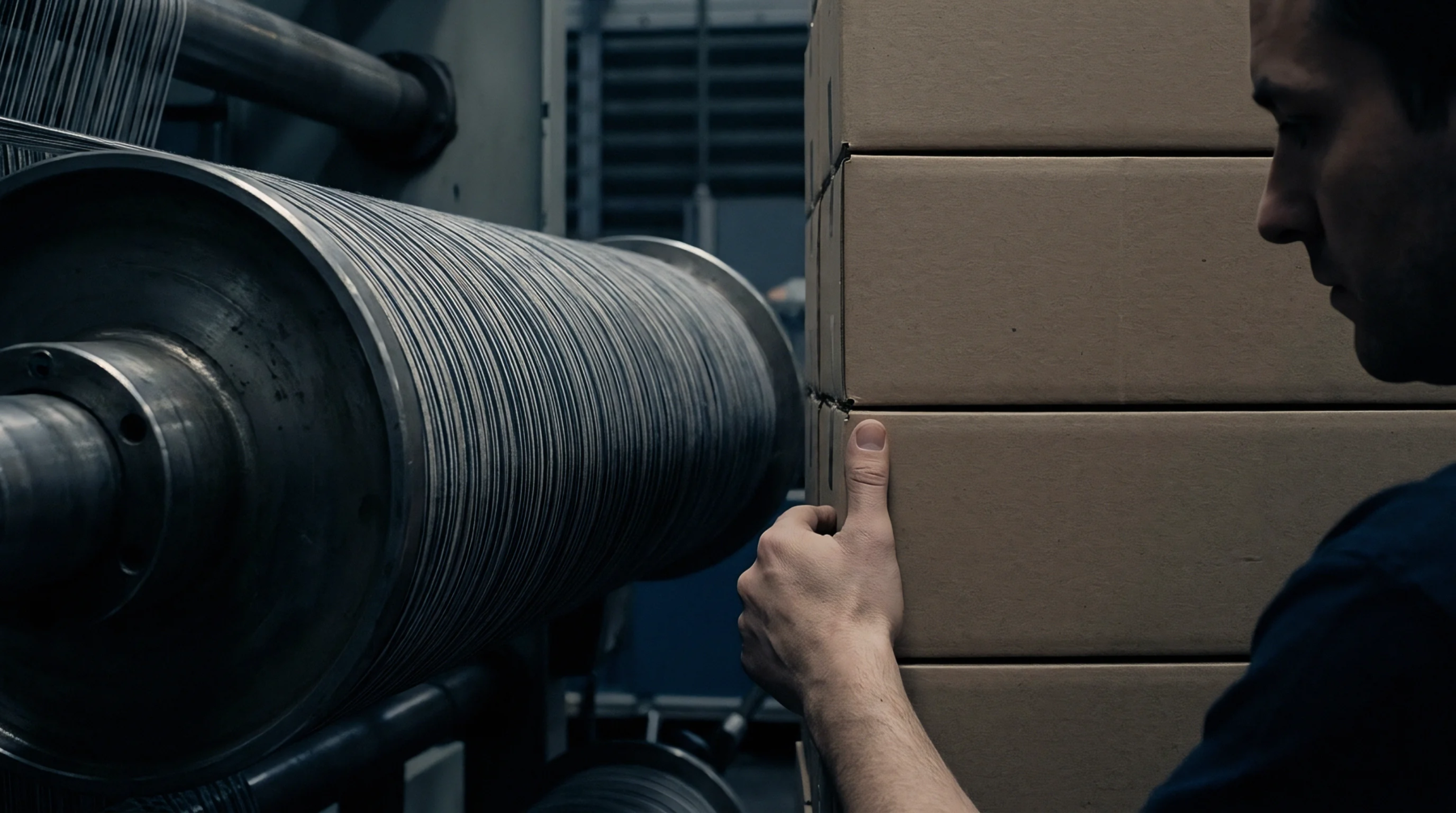
Rotational mechanics within the ring spinning or winding process create outward pressure as yarn travels at high speed between a stationary guide and a rotating package. Centripetal acceleration pulls the yarn away from the axis of rotation to form a curved profile. High speed rotation intensifies these ballooning forces until they threaten to contact machine guards.
This physical phenomenon is restricted to the space between the final guide and the take up point.
Angular Momentum
Variations in the distance between the guide and the package alter the shape of the moving yarn. As the package diameter grows, the angle of the yarn path shifts.
Centrifugal Calculation
Mathematical models determine the tension required to counteract the radial expansion of the thread. Heavier yarns generate higher momentum at the same spindle speed. Air resistance and yarn count influence the final trajectory of the yarn during the spinning process.
Friction between the yarn and the surrounding air creates a drag component that pulls the balloon backward.
Stability Limit
Control of the yarn path prevents collisions with separators in the ring frame. Excessive expansion causes the yarn to break or fray against hardware. Maintaining a stable geometry allows for maximum spindle speeds without compromising the integrity of the fibre.
Controlling the diameter of the curve remains a fundamental requirement for high speed winding efficiency.