Liquid Suspension
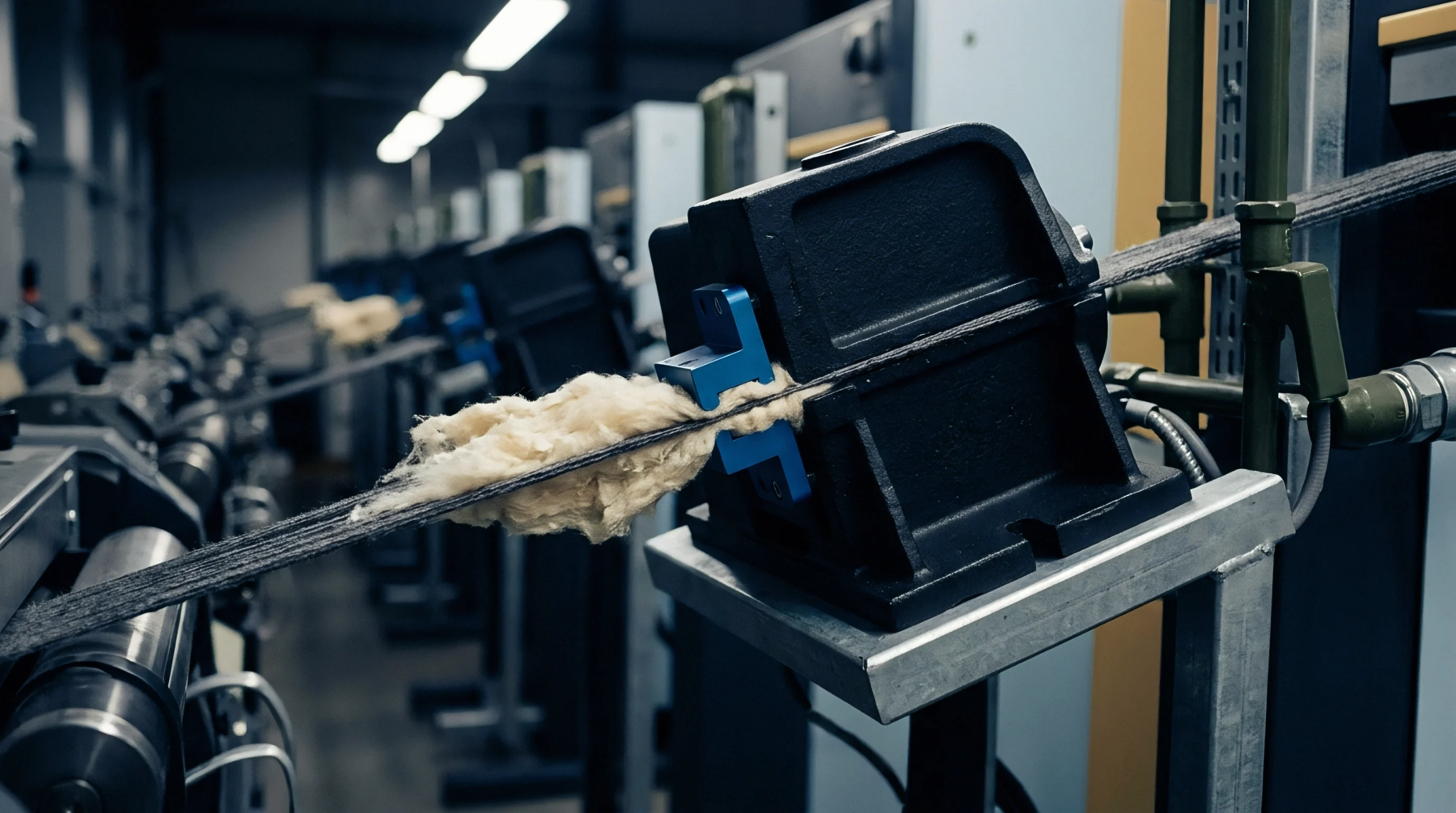
Wet processing chemistry utilizes fluid medium immersion to ensure uniform distribution of surfactants and softening agents across continuous textile webs during finishing stages. Bath lubrication functions as the primary mechanism to minimize mechanical friction between the fabric surface and machine contact points. Consistent tension during high speed movement depends upon these additives to prevent surface snagging or abrasion damage within the trough environment.
High concentration of specialized fatty acids or silicone emulsions creates a barrier that shields delicate fibres from harsh rollers. Manufacturers adjust the saturation levels based on the chemical affinity of the yarn type and the desired handle of the finished product. Proper application maintains the structural integrity of synthetic and natural textiles before they reach the heat setting stage.
Operational Efficiency
Machinery operators monitor the concentration of these additives because depletion alters the coefficient of friction throughout the production line. Automated dosing systems replenish the liquid content according to the throughput speed and the specific mass of the substrate entering the processing vessel. Stable levels prevent the formation of static charge which otherwise attracts debris or causes misaligned winding on finished bolts.
Reduced friction levels allow the textile to traverse internal guides without snagging or developing structural tension patterns. Engineers verify the efficacy of the fluid by testing samples for tactile softness and moisture retention profiles post drying. Uniform coverage across the entire width of the fabric determines the quality of subsequent coating or lamination steps.
Boundary Conditions
External factors influence the performance of these additives as temperature fluctuations alter the viscosity and penetrative capacity of the fluid. Higher thermal settings require heat stable surfactants to avoid degradation or the development of unwanted odors on the fabric surface. Excess buildup leads to spot contamination or uneven dyeing results when the substrate enters subsequent water based treatment vats.
Quality control managers reject materials showing streak marks or irregular texture caused by poor bath consistency during the initial wet stage. Water chemistry and pH levels dictate the compatibility of the agents with the carrier medium. Neutralizing agents restore stability when the chemical balance shifts during continuous operation.
Production Verification
Lab testing confirms the concentration through gravimetric analysis or gas chromatography to ensure the fabric remains within specified tolerance ranges for subsequent processing. Mill technicians perform these checks at regular intervals to detect contamination or unintended depletion of the active components. Documented logs track the variance in chemical input against the output of the line to confirm that every batch adheres to quality standards.
Finished goods retain a specific percentage of the additive to provide the expected feel and protection during storage or transit. This lubrication phase represents the final opportunity to prevent physical damage before the textile enters the cutting or sewing phase. The fluid chemistry dictates the limit of safe processing speeds for delicate knitted or woven goods.