Commercial Mass
Standardized moisture allowance defines the transaction value of textile shipments by adjusting the measured weight of a shipment to its theoretical dry weight plus an agreed percentage. Buyers and sellers calculate the billable yarn weight to ensure that water content does not inflate the purchasing cost of spun fibers. This value establishes the invoice amount based on standardized oven-dry calculations rather than the fluctuating scale readings of a humid warehouse.
Moisture Correction
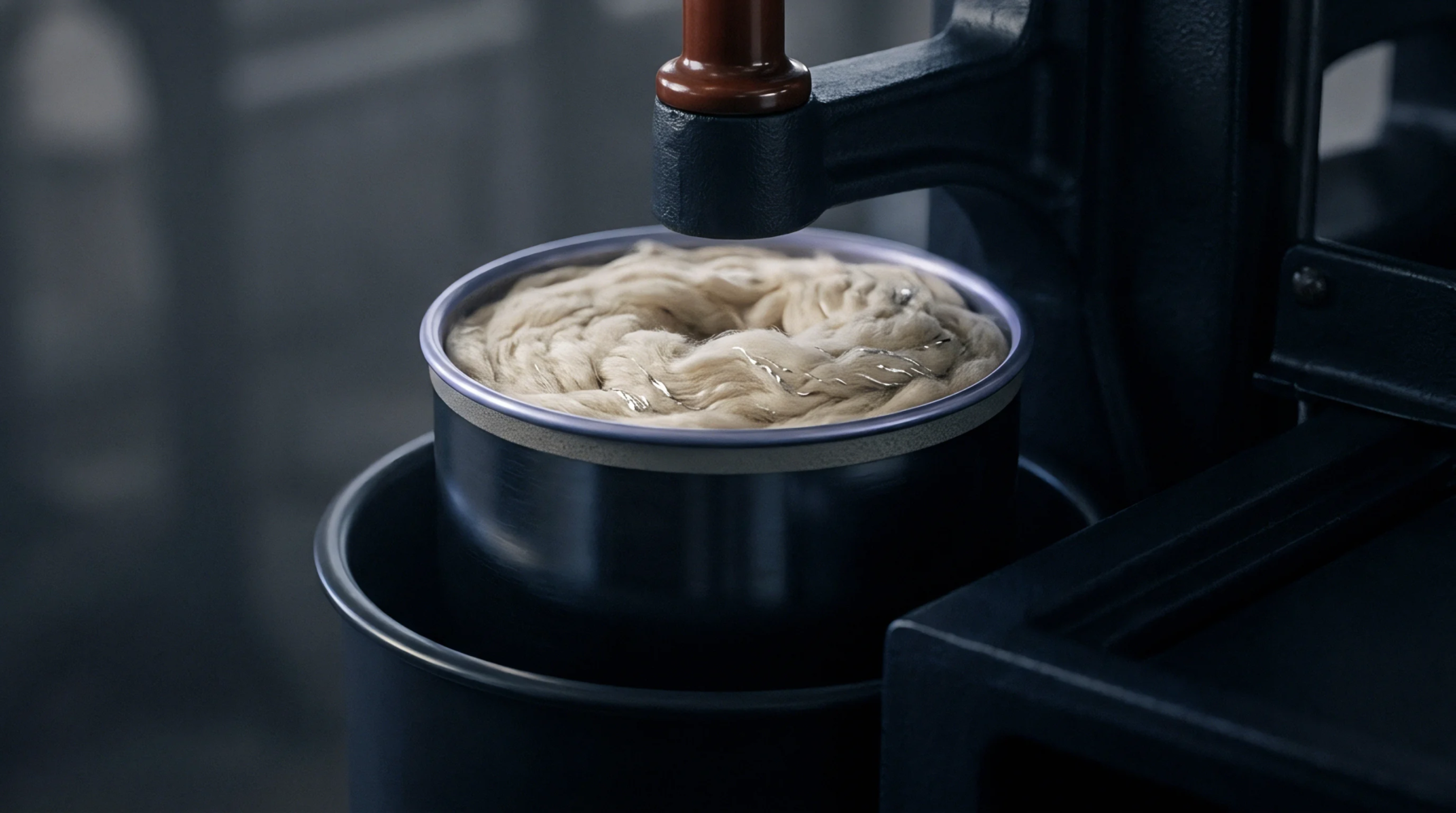
Atmospheric absorption alters the physical heft of natural and synthetic fiber packages during transit and storage. To calculate the moisture correction, technicians extract random samples from the shipment and dry them in a ventilated oven at a temperature of 105 degrees Celsius until they reach a constant weight. The dry weight is then increased by the standard moisture regain percentage for the specific fiber class, such as eight and a half percent for combed cotton.
Value Calculation
Financial adjustments protect both parties by aligning payments with the true mass of fiber delivered. The billable yarn weight calculation protects spinning mills from moisture loss during dry transits and shields apparel factories from paying for excess water. When the oven-dry test reveals that a shipment contains ten percent water but the standard regain is eight percent, the invoiced weight is reduced to compensate for the excess weight of the water.
Laboratory Inspection
Industrial verification takes place in certified laboratories where climate controls prevent environmental contamination during testing. Technicians record the net scale mass immediately upon delivery to prevent moisture exchange with the local atmosphere. Invoicing must wait for these verified laboratory certificates to avoid commercial disputes.