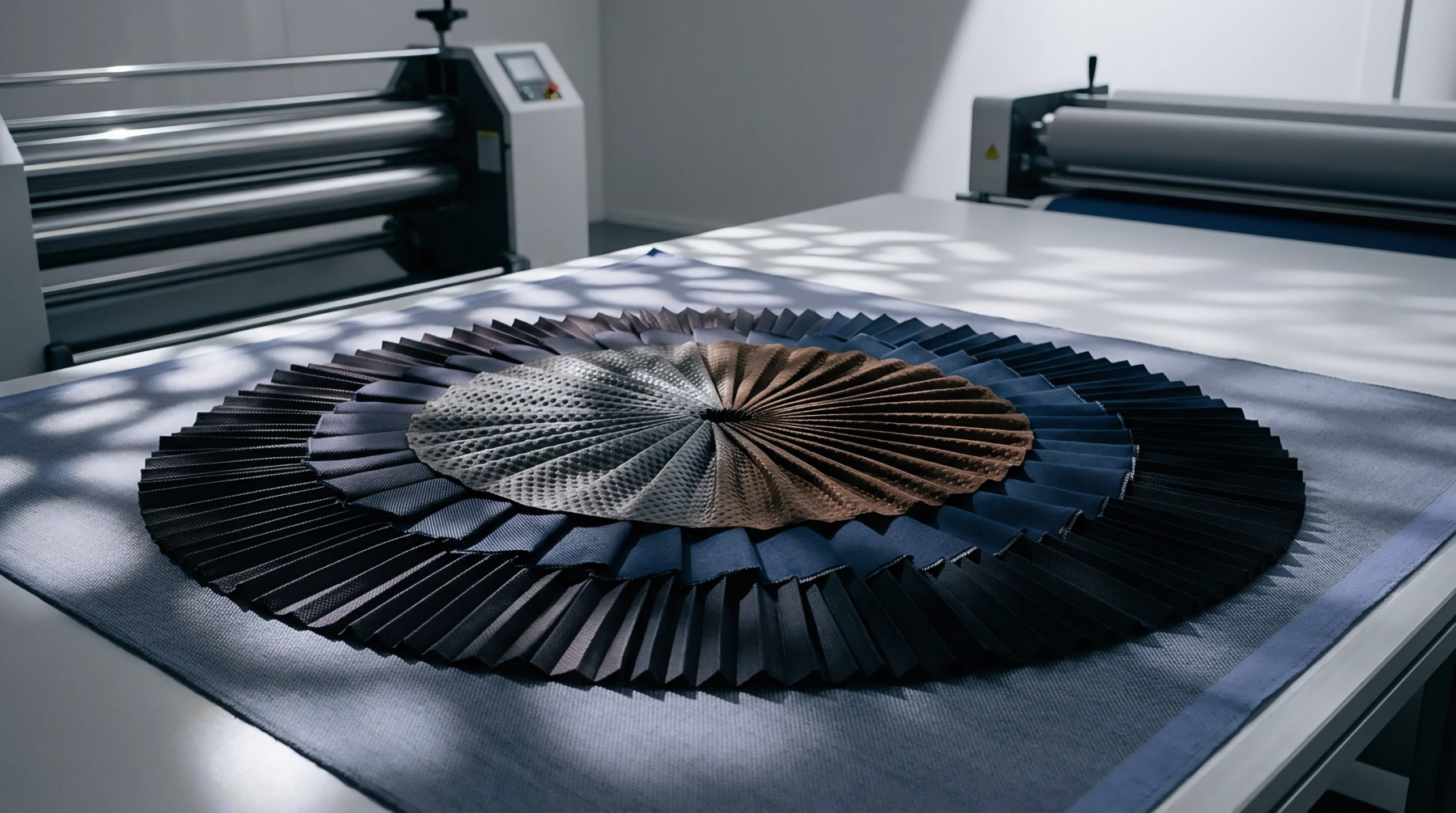
Suction Method
Aerodynamic waste removal systems in yarn spinning mills isolate heavy trash from raw cotton tufts during initial opening processes. In this sequence, blowroom extraction operates through balanced pneumatic pressure to carry fiber tufts forward while heavier contaminants drop into collection chambers. The mechanism relies on a pressure differential that overcomes the aerodynamic drag of dense particles.
Aerodynamic Separation
Centrifugal forces generated by rotating beater drums propel dense particles outward through slotted grids. This mechanical action complements blowroom extraction by detaching clinging seed coat fragments before the fibers are transported to the carding stage. Pneumatic currents then lift the lighter cotton fibers, leaving heavier trash behind.
Contaminant Removal
Industrial filters collect the released microdust and lint to prevent airborne contamination in the spinning mill. The volume of waste recovered during blowroom extraction determines the cleaning efficiency of the pre-carding line. High trash levels in the raw lint require greater suction pressure and wider grid settings.
Overly aggressive suction, however, risks removing usable lint along with the leaf fragments and bark. When mill audits reveal excess long fibers in the waste chutes, technicians adjust the damper valves to decrease the velocity by ten percent.
Processing Outcome
Sliver quality at the draw frame depends directly on the thoroughness of the opening room sequence. Inadequate blowroom extraction leaves seed fragments in the fiber stream, which subsequently causes yarn breakages during rotor or ring spinning. The process ensures subsequent machinery runs without frequent stoppages.