Moisture Baseline
Absolute thermal equilibrium defines bone dry mass as the constant weight reached when every trace of bound and free water exits hydrophilic yarn through prolonged oven heating. Quantifying this exact threshold allows textile mills to establish clean commercial weights for raw cotton batches before contracts finalize at the shipping port. Water retention introduces severe fiscal distortion during raw material transactions because hygroscopic natural fibres absorb atmospheric moisture readily from surrounding humidity.
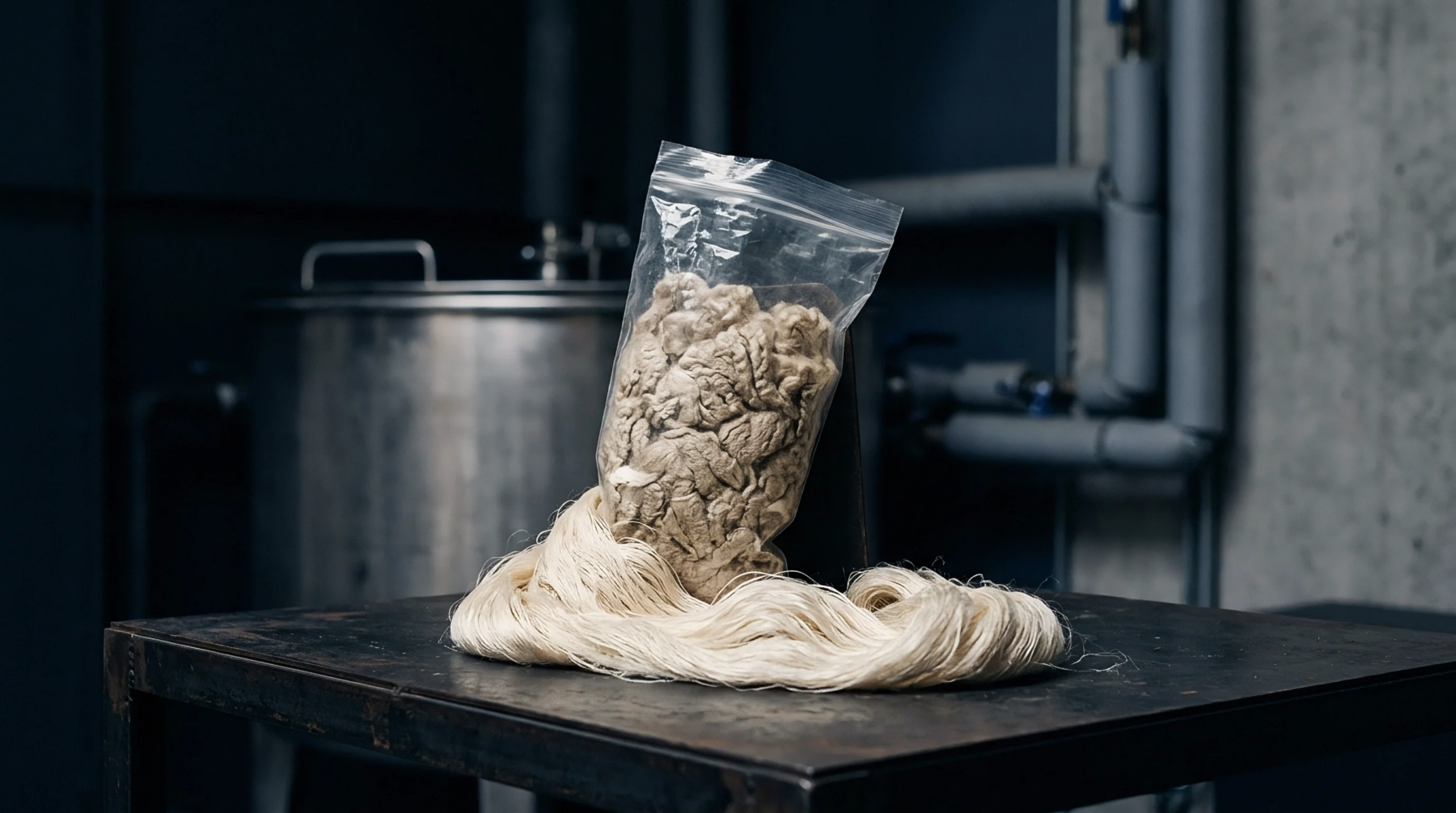
Commercial weighing scales measure total weight containing variable water content rather than pure fibre substance. Laboratory testing protocols eliminate this variable by baking representative core samples until consecutive weight measurements show zero further loss. Buyers calculate commercial invoice adjustments by adding standard regain percentages onto the dry weight figure.
This standard correction mechanism prevents purchasing water at raw fibre prices during high humidity seasons.
Thermal Extinction
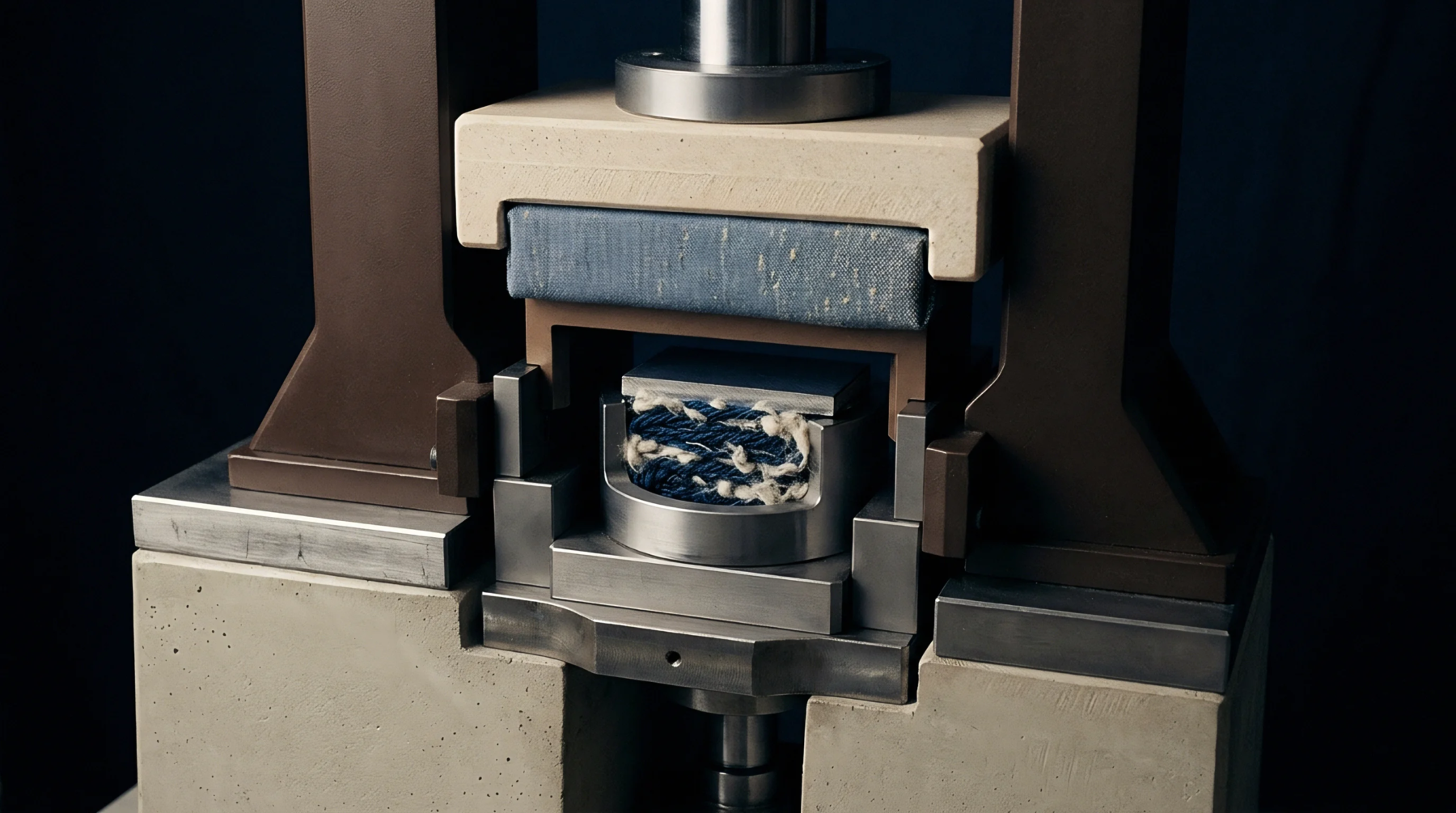
Analytical convection ovens drive moisture removal by maintaining constant high temperatures around ten degrees above boiling until mass stabilization occurs completely. Technicians place conditioned textile specimens inside perforated metal containers to ensure uniform airflow during prolonged thermal exposure cycles. Continuous electronic balance readings monitor specimen weight loss until curves flatten permanently at minimum mass.
Extended heating durations risk thermal degradation of cellulose chains, so operators terminate cycles immediately upon reaching constant weight. Cooling desiccators prevent ambient moisture reabsorption during the interval between removal from the oven and final analytical weighing on precision balances.
Financial Equilibrium
Commercial valuation relies entirely upon standardized moisture allowances added directly to dry weights to protect both spinning mills and cotton merchants from weather-induced weight fraud. Contracts specify exact baseline percentages that represent legal moisture regain limits for each distinct fibre classification traded internationally. Shifting atmospheric conditions during maritime transit alter cargo weights continuously, making dry weight the sole defensible baseline for international settlement.
Dispute resolution procedures mandate independent laboratory core sampling from disputed bales to establish indisputable dry weight figures before financial adjustments occur.
Physical Boundary
Hydrophilic polymers retain molecular moisture within amorphous regions while crystalline zones remain largely impenetrable to water vapor under standard ambient conditions. Heating forces trapped water molecules out of hydrogen bonding sites along polymer chains without altering internal molecular structures of the underlying textile substance. Excessive thermal exposure temperatures cause cellulose degradation, which invalidates the test by destroying part of the pure fibre substance itself.
Analytical precision depends entirely upon stopping the thermal procedure precisely at complete dehydration without initiating chemical decomposition of the specimen.