Biological Classification
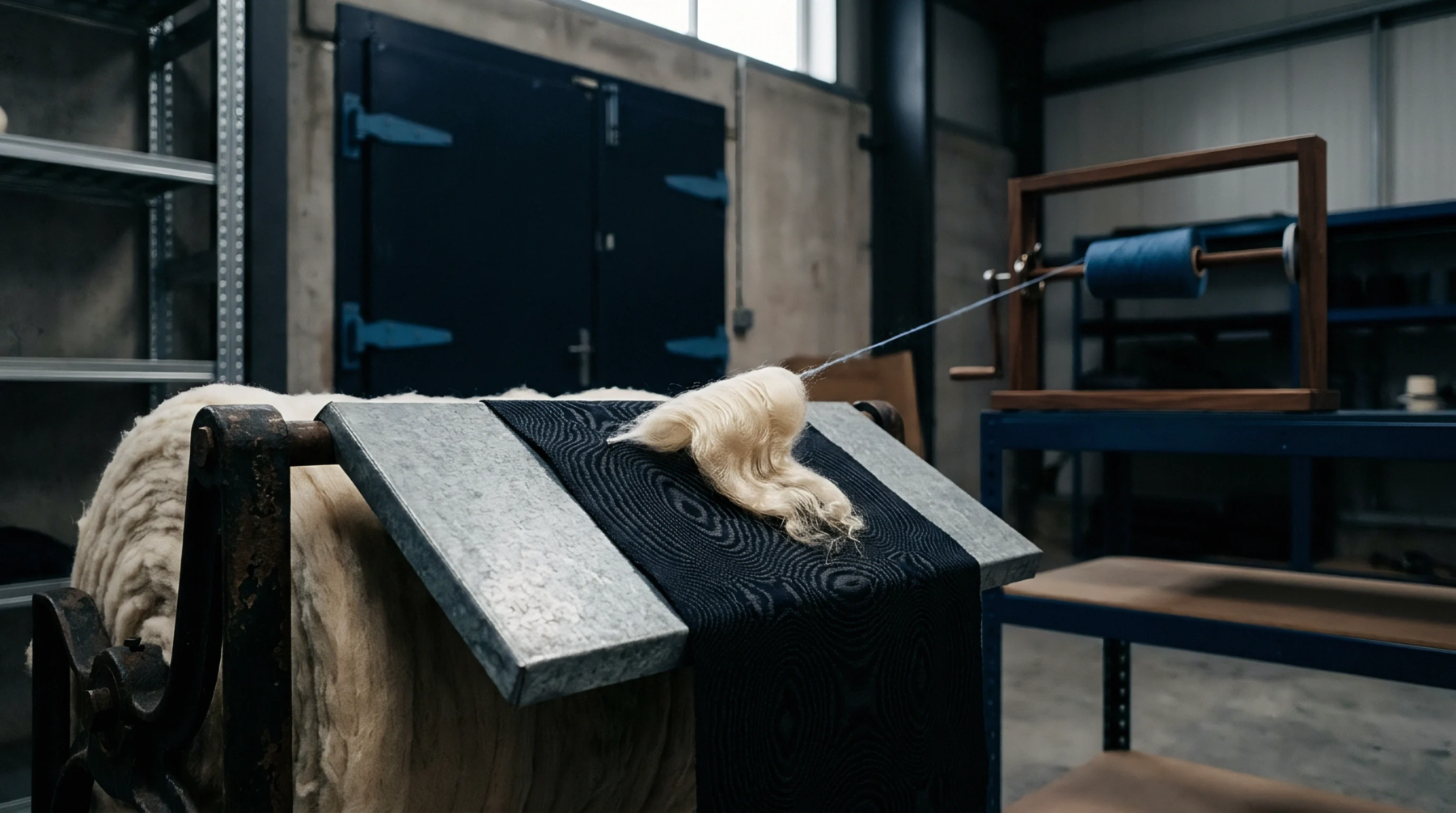
Biological classifications for domesticated animals include subspecies bred specifically for high-yield, fine-fiber output under extreme environmental conditions. The capra hircus laniger represents the primary goat population yielding commercial cashmere fibers. These animals develop a double-coat structure consisting of coarse guard hairs and a highly valued fine undercoat, which adapts them to survive temperatures that fall below minus thirty degrees Celsius.
Fiber Extraction
Traditional hand-combing during the spring molting season ensures the recovery of these valuable undercoat fibers without damaging the skin of the animal. This process allows the capra hircus laniger to shed its winter fleece naturally. Combing yields a mixture of long guard hairs and short down, which then undergoes industrial scouring to remove grease and sweat.
Manual collection preserves the length of the fiber, unlike mechanical shearing which cuts the coarse guard hairs and complicates downstream separation. The resulting raw fleece contains dirt and vegetable matter that must be removed through mechanical opening.
Fibre Quality
Fiber yields from these animals are strictly monitored for average diameter and length distribution. The down of the capra hircus laniger typically measures between twelve and fifteen micrometres in diameter. This fine diameter gives the fiber its characteristic softness and high thermal insulation value.
It sits at the top of the luxury fiber hierarchy, where material coarser than nineteen micrometres is rejected for high-grade weaving.
Industrial Inspection
Verification at the processing mill involves optical testing to confirm the purity of the incoming fleece lot. Adulteration with coarser fibers from other breeds can be detected by examining the scale patterns under a scanning electron microscope. This checkpoint prevents the blending of cheaper fibers into the genuine capra hircus laniger down batches before carding and spinning begin.