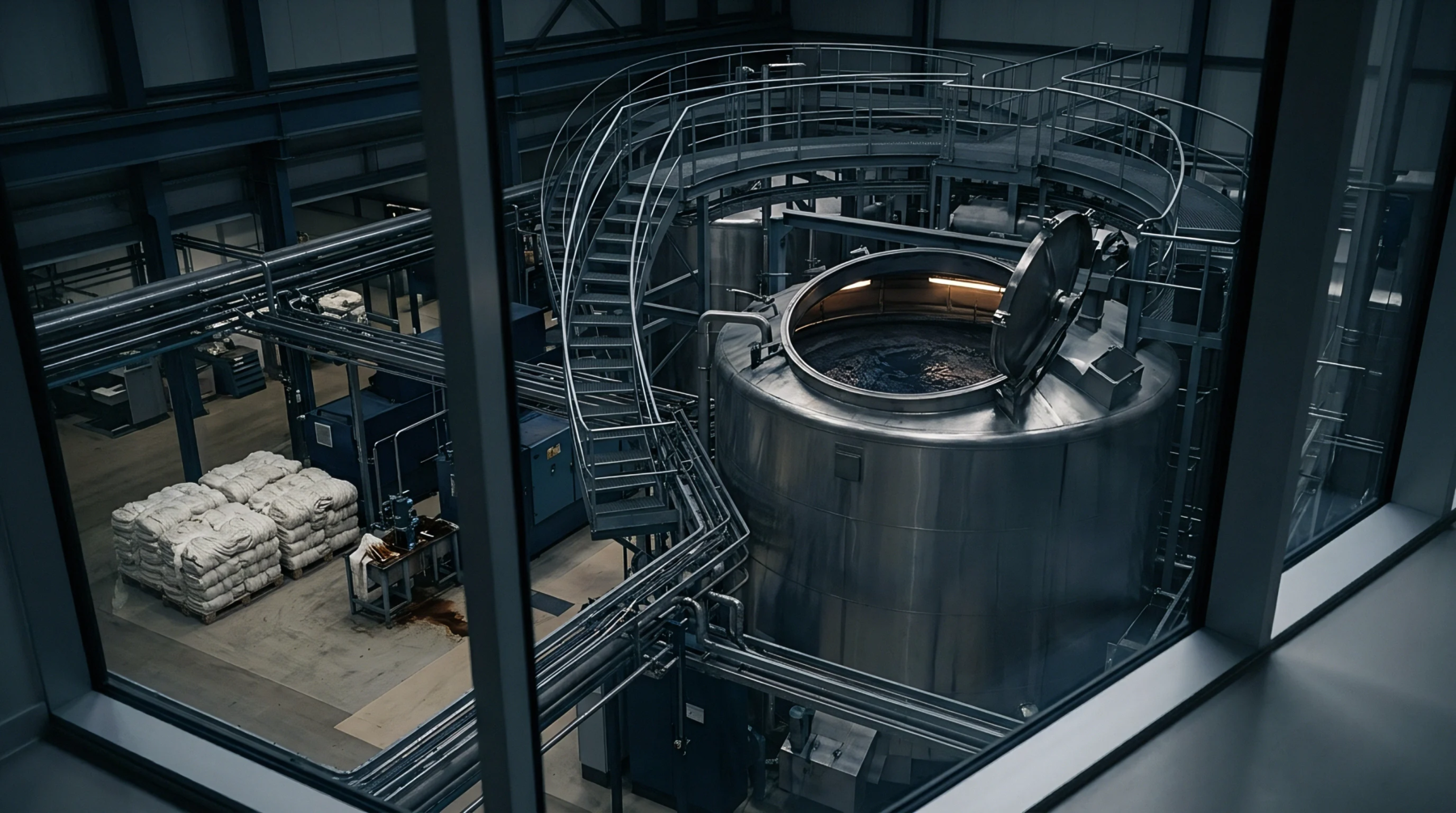
Effluent Volatility
Sudden increases in the amount of organic pollutants in textile wastewater streams disrupt the biological treatment processes of factory purification plants. These sudden surges, known as chemical oxygen demand spikes, typically occur when concentrated sizing agents or unfixed dye baths are dumped into the drain. Industrial laundries and finishing mills monitor these events to avoid violating local municipal discharge limits.
The analysis of these surges is restricted to the untreated wastewater before it enters the equalization basin.
Process Origin
Desizing woven fabric generates the highest volume of concentrated organic discharge in wet processing. When polyvinyl alcohol or starch is washed off the warp yarns, chemical oxygen demand spikes occur if the effluent is not diverted to a holding tank. Similar surges occur during the stripping of rejected dye lots when heavy doses of reducing agents are utilized.
Automated diversion valves route these concentrated washes to holding tanks to protect the treatment system.
System Failure
Excessive organic loads deplete dissolved oxygen and kill the active bacteria in aeration basins. After chemical oxygen demand spikes occur, the treatment plant requires several days of chemical additions to restore the bacterial colony. This disruption results in foam formation and untreated pollution escaping into natural water bodies.
Factories face heavy regulatory fines when untreated effluent bypasses the biological barriers.
Mitigation Protocol
Equalization basins provide the primary defense against wastewater surges by blending different discharge streams before treatment. This blending dilutes the high-strength washes.