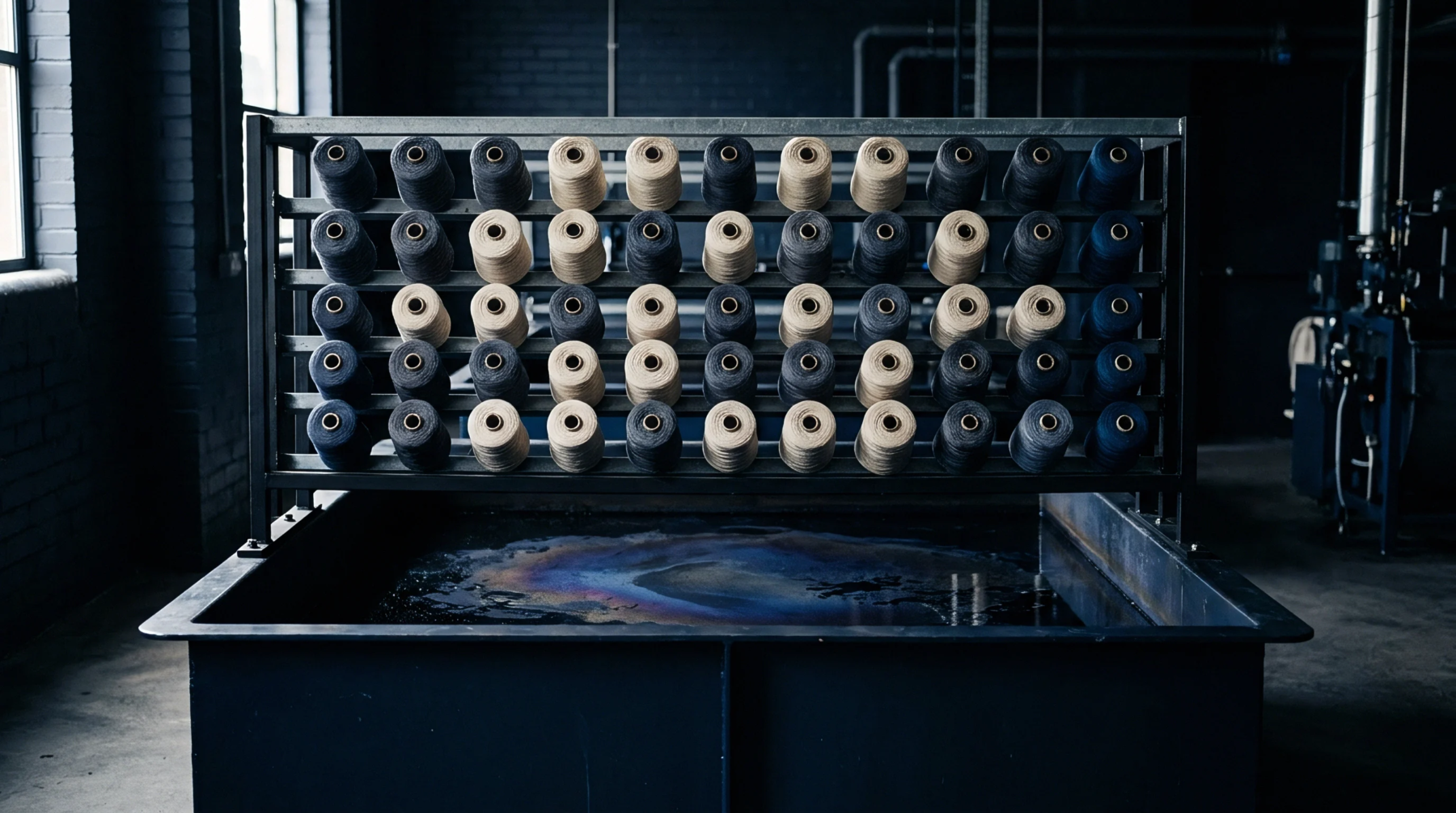
Fiber Byproduct
Short cotton or wool fibers removed during mechanical combing form a distinct secondary textile raw material. Industrial combing machines separate short fibers from long staple fiber slivers to create uniform yarn inputs. The resulting comb noils represent short, curly fibers rejected during high-grade yarn processing operations.
Spinning mills collect and package these fibers for secondary manufacturing applications.
Short Separation
Mechanical combs utilize fine wire teeth to extract short fibers below critical length thresholds while aligning long fibers into combed sliver. Comb noils contain high concentrations of short fiber along with remnant trash particles and seed coat fragments. The percentage of noils extracted directly influences the quality and uniformity of the resulting combed yarn.
Combing intensity adjusts dynamically to meet target yarn specifications.
Yarn Reprocessing
Coarser yarn spinning units process extracted noils to manufacture lower-count coarse yarns used in flannels, felts, and industrial padding. Utilization of comb noils lowers overall raw material costs while repurposing short fibers into commercial textiles. Open-end rotor spinning machines blend noil fibers with standard staple cotton to produce uniform utility yarns.
Non-woven manufacturing lines process noils into needle-punched insulation blankets.
Economic Valuation
Market pricing for combed byproducts fluctuates based on primary fiber market rates and secondary spinning demand. Spinning mills calculate net combing costs by deducting the realized sales value of comb noils from total raw fiber expenditure. High extraction rates yield cleaner primary yarn but increase overall unit production costs unless byproduct pricing remains favorable.
Value recovery from short fiber sales maintains overall mill profitability.