Quality Failure
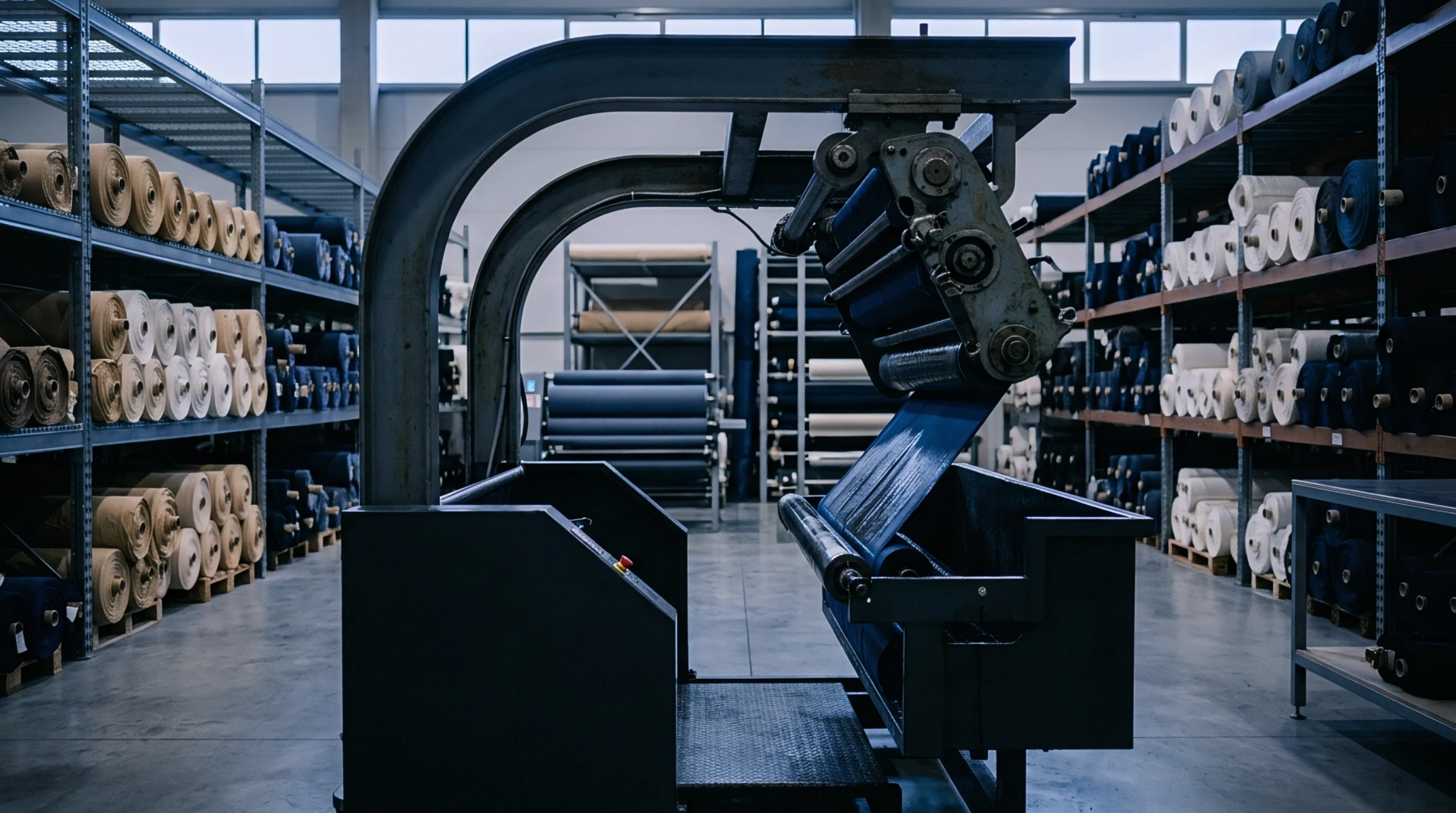
Unintended transfer of chemical residues or fibers happens when a production line transitions between different material specifications. This cross-batch contamination typically occurs in mills where equipment like dye vats or stenter frames is shared across multiple client orders. The risk remains active until a verified cleaning protocol removes all traces of the previous run.
Residual Deposit
Solid particles or concentrated dyes often lodge in the gaskets and pipework of finishing machinery. When a new batch of fabric enters the system, cross-batch contamination results as these trapped substances dissolve or shed into the fresh bath. This interaction often leads to shade variations or the presence of restricted substances that were not part of the intended recipe.
Detailed logs of chemical usage help identify which prior batches might have left problematic residues.
Analytical Screening
Laboratory testing identifies the source of unwanted chemicals by comparing the chemical profile of the defect to previous production logs. If cross-batch contamination is suspected, technicians look for molecular markers unique to the earlier batch. These results determine if a batch requires stripping and redyeing or if it must be downgraded.
Clearing Cycle
Frequent equipment purging represents the primary defense against the mixing of incompatible chemistries. Automated rinse programs utilize pressurized water and surfactants to scour the internal surfaces of the distribution manifold. Reliable production schedules group similar colors together to minimize the impact of cross-batch contamination on machine downtime.