Weave Density
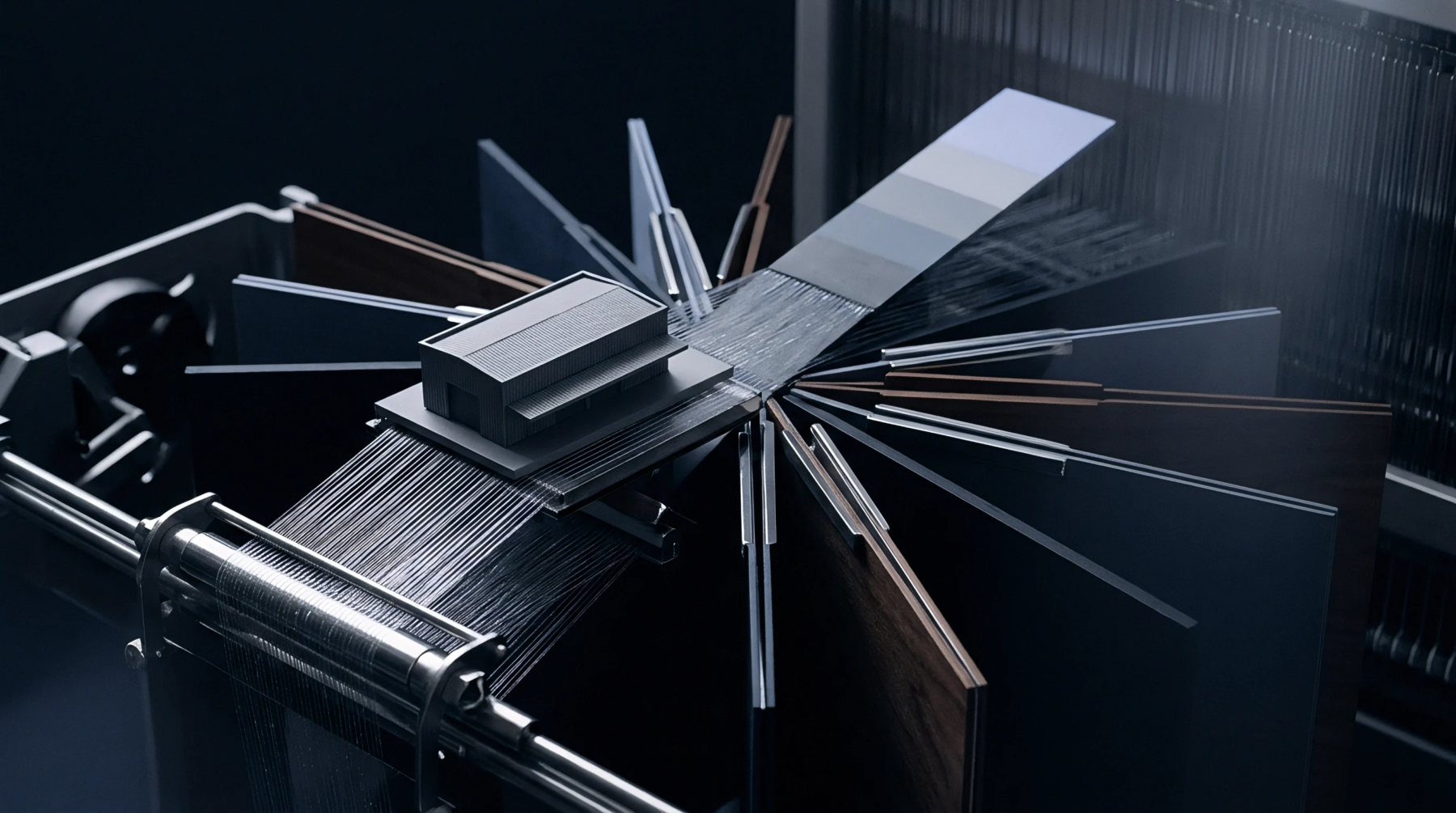
High-density fabric structures utilize very fine yarns woven in tight, plain patterns to create a physical barrier against microscopic fiber escape. Achieving downproof construction demands a high cover factor where warp and weft yarns are compressed to eliminate almost all inter-yarn spaces. Such dense spacing ensures that loose down plumules remain trapped inside insulated jackets or bedding.
Finishing Process
Calendering enhances the barrier by flattening the yarns under high heat and pressure, which further reduces the pore size between the fibers. While downproof construction starts in the loom, the thermal treatment stabilizes the structure and locks the yarns in place. Mills often apply a light synthetic coating to the back of the fabric to seal the remaining pores.
This coating must endure washing.
Standard Testing
The rotating box test evaluates fabric resistance to yarn separation and fiber penetration by tumbling sample panels with synthetic down. A successful downproof construction allows fewer than five feathers to escape during a standard testing cycle of several hours. Laboratories verify these results before certifying the material for outer garments.
Retailers reject fabrics that fail this threshold.
Material Limit
Coarse fibers or loose weave designs cannot be converted into downproof barriers because the pore sizes remain too large even after extensive calendering. Designing a downproof construction with heavy wool or loose linen is impossible due to the natural irregularity of those fibers. Synthetic filaments or fine, long-staple cotton represent the only practical choices for this level of performance.
When yarn counts drop below seventy denier, the risk of feather leakage rises sharply unless the weave is incredibly dense, making the fabric heavy and stiff.