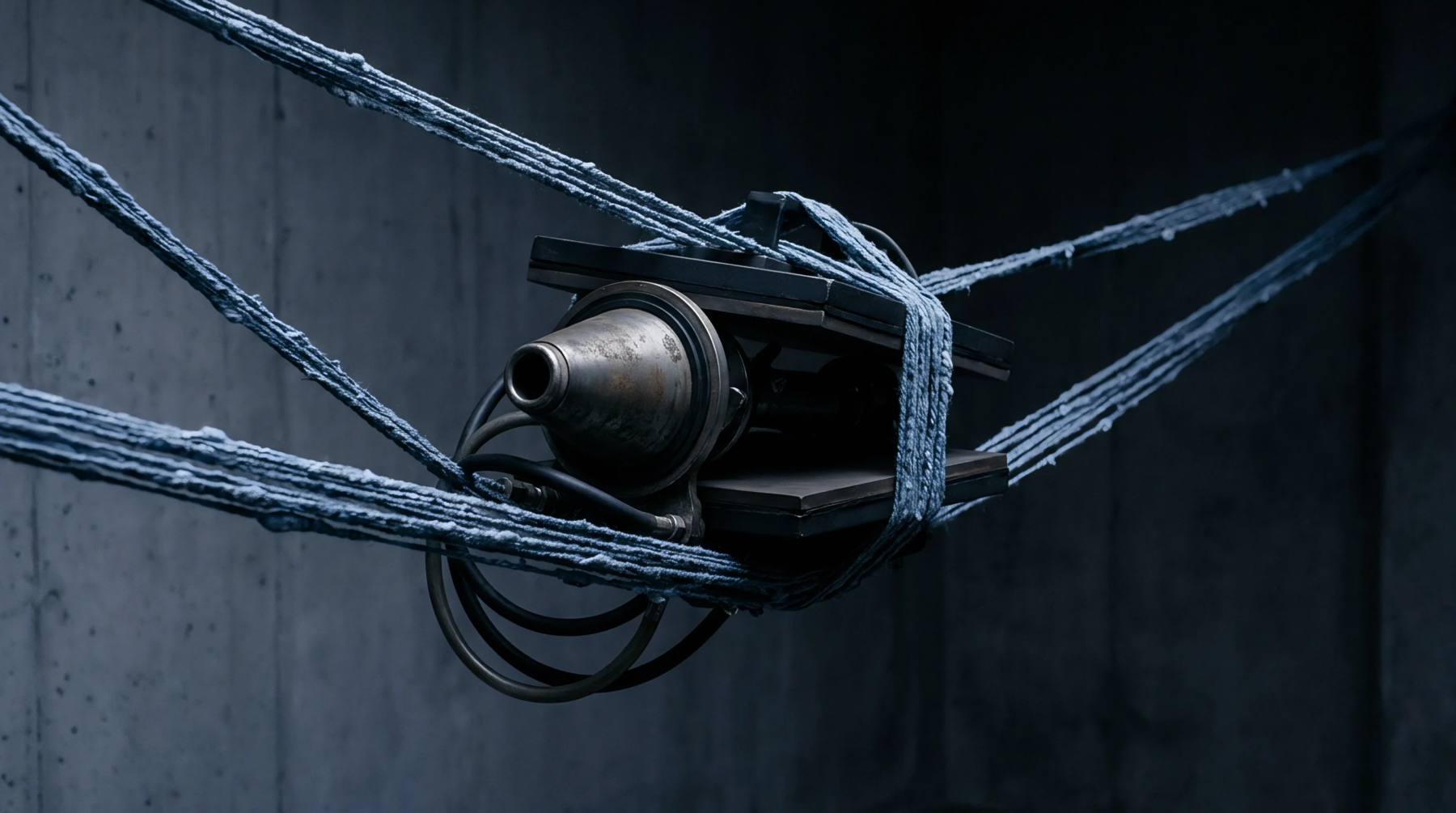
Yarn Formation
Mechanical draft consolidated by opposing rotational vortices produces high-speed staple yarn through a continuous automated system. This mechanism of dual nozzle air jet spinning utilizes two distinct pneumatic chambers to twist the surface fibres around a parallel core of raw material. Yarn produced in this manner exhibits high resistance to pilling and abrasion.
Aero Force
Fluid action inside the first nozzle creates a soft twist in the drafted sliver while the second nozzle applies a higher rotational force in the opposite direction. This second jet unwinds the outer fibres and wraps them tightly around the central bundle. The pressure difference between the two chambers must be carefully balanced to maintain uniform yarn strength.
Structure Variable
Twist density depends on the air pressure settings and the delivery speed of the take-up rolls in the spinning unit. Increasing the pressure in the second chamber yields a more compact yarn with a harsher hand, whereas lowering it produces a softer yarn suitable for knitwear. The resulting yarn has a core of parallel fibres held together by helical wrapper fibres, which distinguishes it from ring-spun varieties.
Adjusting these parameters allows processors to tailor the yarn for specific end uses like high-durability workwear or breathable activewear.
Industrial Capacity
Operating speeds for this technology exceed four hundred meters per minute, making it faster than ring spinning. This elevated output requires highly uniform sliver preparation to avoid frequent yarn breaks that would halt the entire production line. Processing mills must deploy rigorous pre-spinning carding and drawing to ensure consistent fiber length and distribution.