Tension Profile
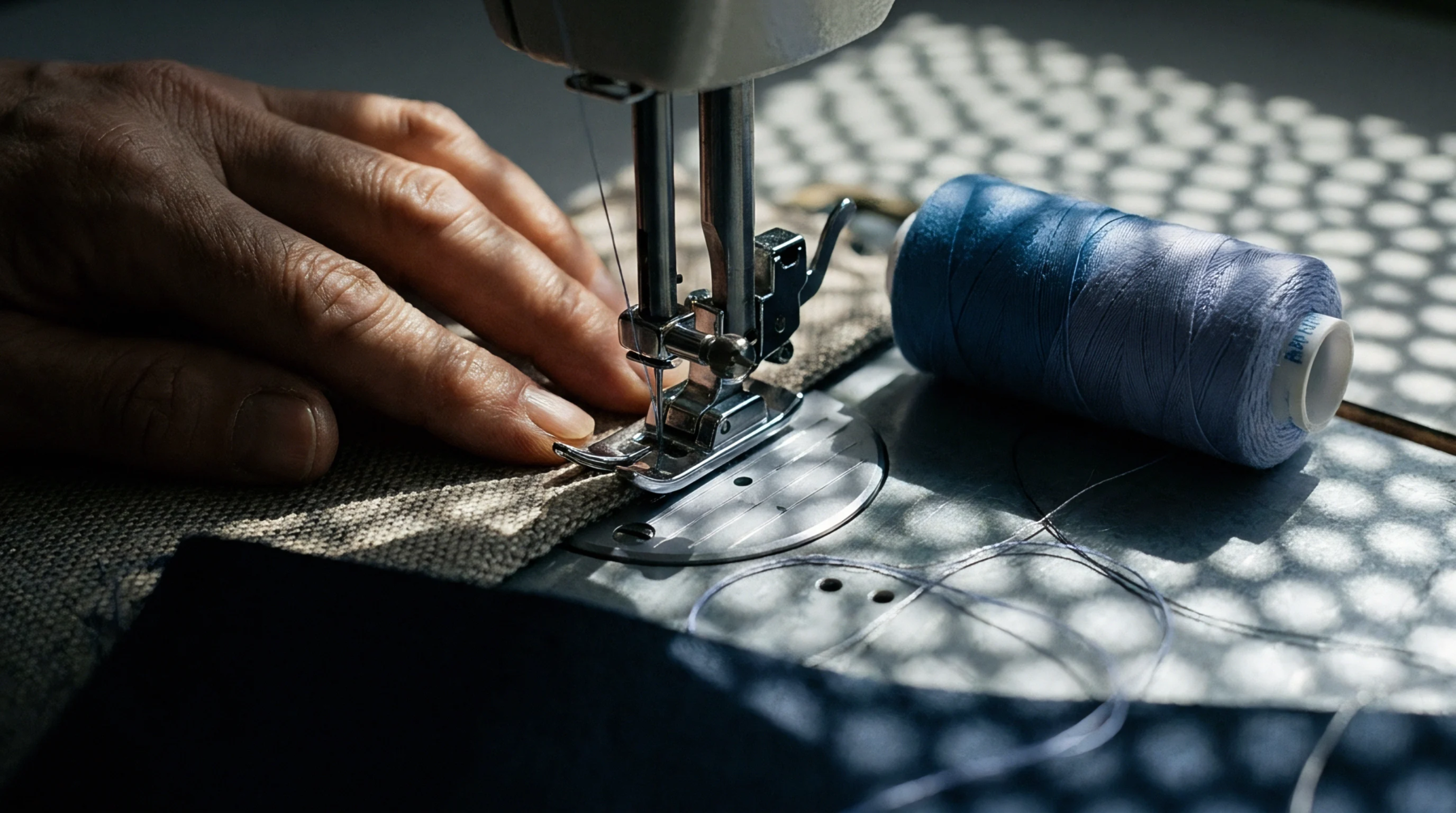
The momentary force experienced by a running thread during high-speed textile conversion governs the frequency of yarn breakages and structural flaws in the fabric. This variable, which practitioners call dynamic yarn tension, changes rapidly as the thread passes through guide eyes, feed rollers, and tension discs. Tracking these fluctuations allows technicians to set machines to avoid overstressing fine fibres.
The measured force must remain below the elastic limit of the yarn to prevent permanent deformation.
Mechanical Influence
Running speeds during weaving and winding create continuous changes in the drag of the thread. A high dynamic yarn tension is often caused by friction on dirty guides or by incorrect take-up angles on the bobbin. When the tension spikes, the yarn stretches beyond its recovery limit and creates tight spots in the woven fabric.
Positive feed systems are designed to smooth out these fluctuations by adjusting the yarn delivery rate.
Weaving Behavior
High speed shuttles or rapier heads draw yarn from the supply package with sudden accelerations. If the dynamic yarn tension is not controlled during this insertion phase, the thread snaps and forces a machine stoppage. High-performance looms use electronically regulated tensioners to cushion these bursts of force.
Measurement Protocol
Specialized tensiometers with high-frequency sensors are placed along the yarn path to capture real-time tension curves. These instruments sample the force several thousand times per second to detect very brief peaks that normal spring gauges miss.