Mechanical Compliance
Mechanical strain testing defines this method for evaluating the dimensional stability of knit fabrics containing elastomeric components. The elastic recovery astm d3107 procedure quantifies the ability of a textile specimen to return to its original length after subjection to a specified tensile load over a set duration. Fabric technicians utilize this protocol to predict garment performance when products undergo repeated stretching during regular wear.
Laboratories calibrate equipment to exert force according to the expected modulus of the textile to ensure repeatability across different testing environments.
Load Application
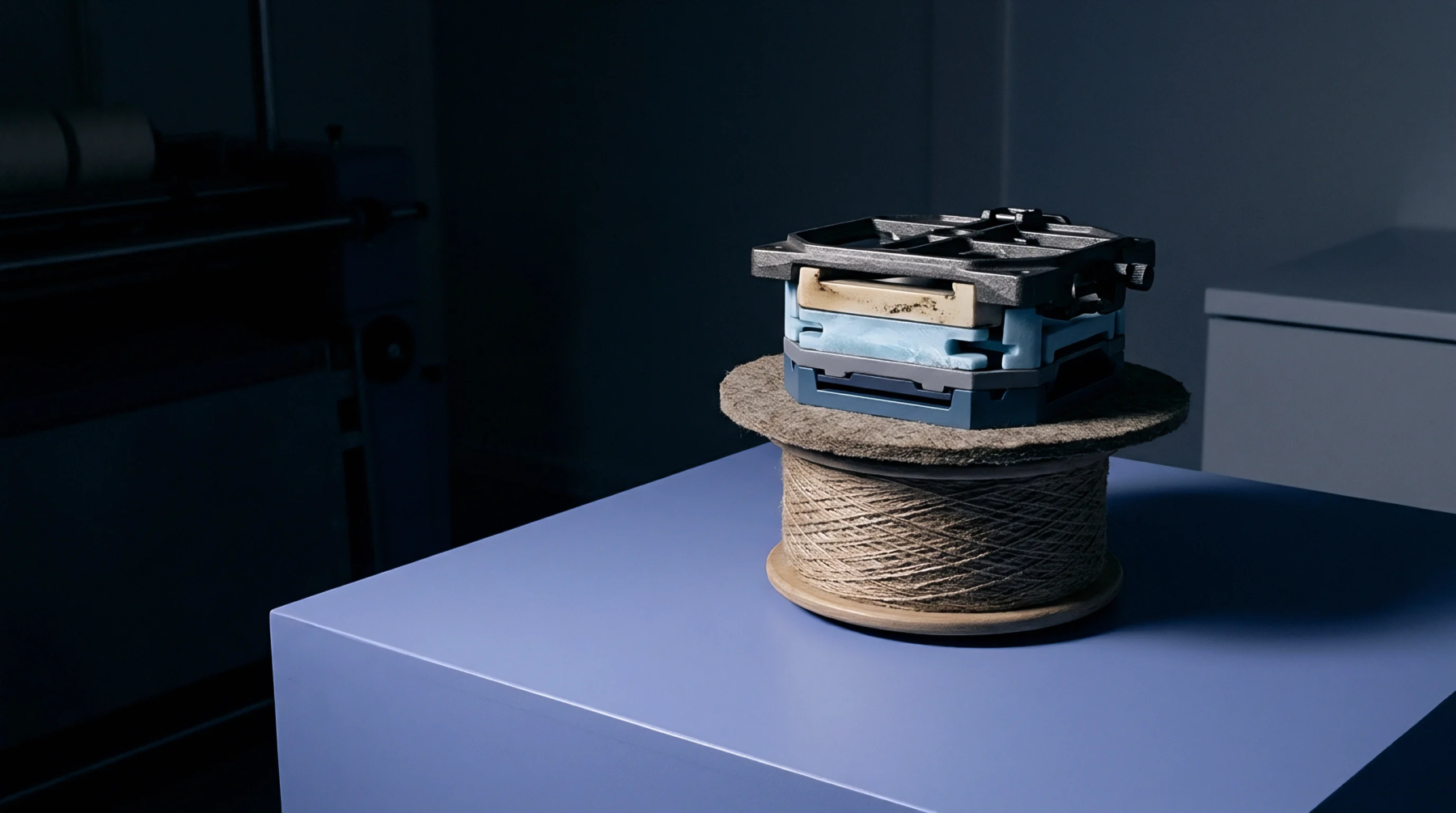
Tension forces operate on a fabric specimen clamped in a standard frame during the assessment of elastic recovery astm d3107 performance. Operators apply a weight that stretches the material to a defined percentage of its original length, holding this position for a mandatory interval to allow for creep. A secondary stage involves the removal of the load to observe the immediate contraction of the fibre network.
Precise measurements taken after specific relaxation periods provide the data necessary to calculate permanent deformation versus recoverable extension.
Material Constraints
Textiles consisting of synthetic elastomers such as polyurethane blends require this validation to confirm quality standards in mass production. Producers apply elastic recovery astm d3107 benchmarks to distinguish between fabrics that maintain fit and those that bag or sag after minor physical exertion. Knit constructions show higher sensitivity to this metric than woven structures because of the open loop geometry inherent in the production stage.
Successful verification indicates that the polymer filaments possess sufficient internal memory to overcome plastic flow induced by environmental heat or moisture.
Performance Expectation
Results from these trials allow bulk buyers to classify fabrics into grades based on longevity and resilience in the field. A lower percentage of residual elongation signifies a material capable of holding shape through extensive cycles of use. Factories depend on these numeric outputs to justify price premiums for high performance spandex or rubberised yarns versus cheaper alternatives.
Reliable recovery is a prerequisite for any apparel item that demands consistent snugness against the human form throughout the service life of the garment.