Mechanical Tension Assessment
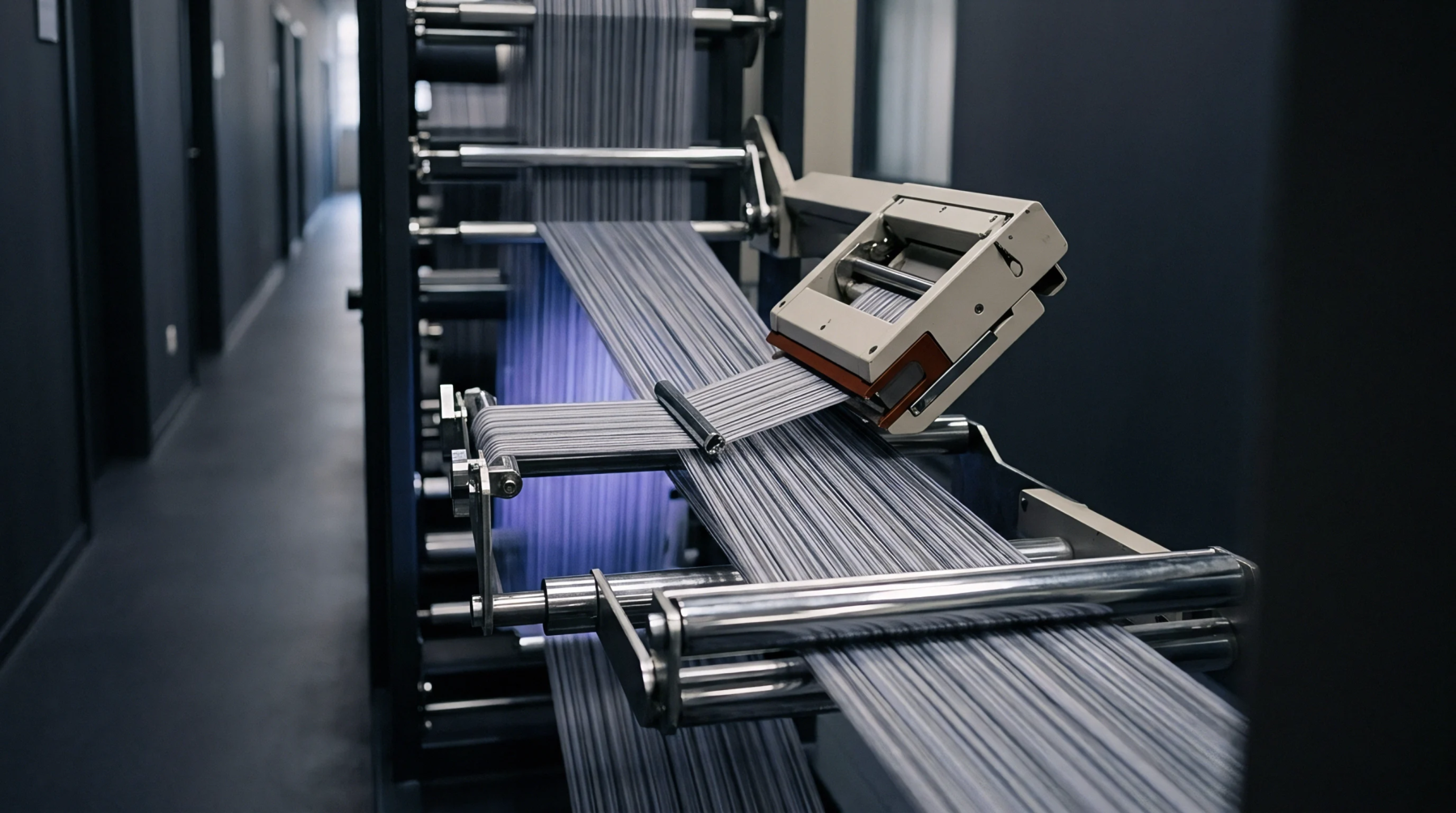
A quantitative laboratory procedure defines the strain energy dissipation and permanent set of elastomeric fabrics through repetitive cycling under controlled load conditions. Elastic recovery bs en 14704 acts as the analytical benchmark for determining how successfully a synthetic knit or woven structure returns to its original dimensions after receiving repeated physical extension during garment wear. The protocol dictates that specimens undergo fixed cycles of loading and unloading at specific speeds within a climate controlled environment to determine the degree of dimensional change.
Standardized equipment grips the textile firmly at both ends while sensors track the force required to reach a prescribed extension limit.
Testing Frequency
Variations in yarn crimp or finishing chemistry alter how a material behaves during these cycles. Production teams employ this specific method to verify that a supplier provides fabric capable of maintaining shape retention after laundry cycles and daily movement. Analysts observe the hysteresis loop produced during the stretching process to identify points where molecular friction within the fibre matrix results in permanent deformation.
The width and shape of this generated curve show how much potential energy the fabric retains versus how much heat energy releases during contraction.
Cycle Protocol
Engineers monitor the sample during the second and third cycle to ensure that the material behaves consistently as the polymers reach a stable state of internal adjustment. Consistent results depend upon maintaining a steady rate of extension since rapid speed produces inaccurate resistance readings due to internal fibre damping. The test environment requires a stable temperature and humidity level to avoid introducing variables that soften or stiffen the polymer chains during the assessment.
Accurate results depend on the alignment of the sample within the clamping mechanism to prevent uneven distribution of forces across the width of the specimen. Measurements are taken at the moment of relaxation to record the specific delta between the original specimen length and the post load dimension.
Recovery Performance
High resilience ratings indicate that the textile architecture manages mechanical stress without significant fibre fatigue or structural breakdown over the expected lifespan of the garment. Fabrics failing these benchmarks show signs of bagging at pressure points such as elbows or knees shortly after the initial use. Suppliers utilize these output data to adjust the blend ratio of elastomeric filaments or to modify the tension applied during the knitting process.
The magnitude of the permanent set defines the usable life of the garment before it becomes aesthetically unacceptable to the consumer. Rigid polymers demonstrate low hysteresis loss but require higher force to stretch, whereas softer elastomers allow for greater movement while potentially yielding higher rates of permanent set over extended durations. Final calculations rely on the percentage difference between the initial gauge length and the relaxed length observed after the cessation of the final load cycle.