Speed Measurement
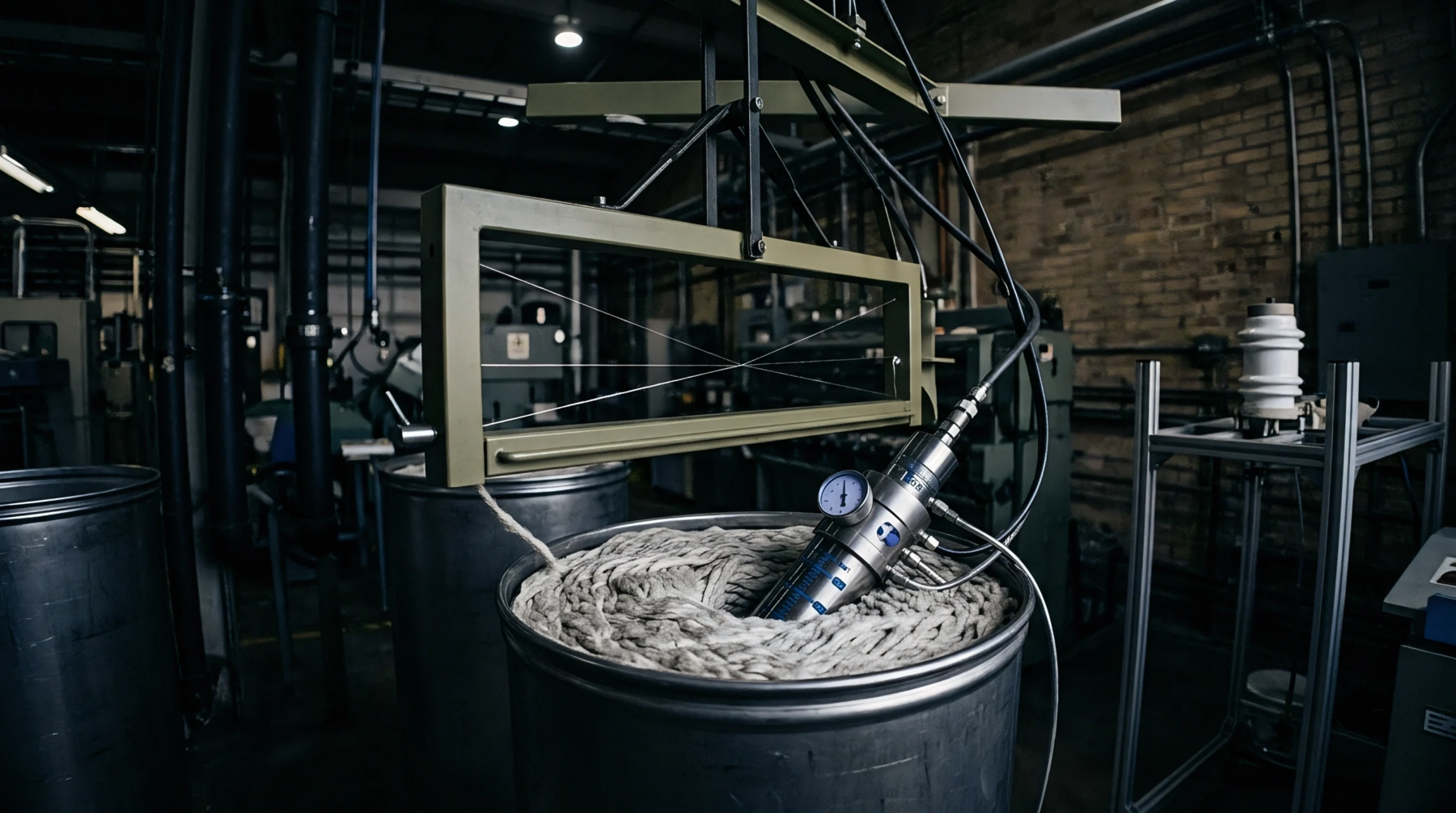
Linear travel tracking calculates the speed of a continuous rope of cloth as it is driven through the nozzle and holding chamber of a jet dyeing machine. Monitoring fabric strand velocity is necessary to prevent mechanical blockages and ensure that the fabric completes a full cycle within the recommended timeframe. Mismatches between reel speed and nozzle flow cause the cloth to slip or pile up.
Dynamic Phase
During high temperature processing, the velocity must be synchronized with the pump flow to ensure even chemical exposure. Sensors detect each pass of the stitched seam to calculate the exact cycle time. If the fabric stops or slows down, the heat can cause permanent crease marks.
Velocity Limit
Standard operating speeds range from one hundred to four hundred meters per minute depending on the weight of the knit or woven cloth. Heavy fabrics require slower speeds to prevent excessive tension on the strand. Lightweight synthetics can run faster but are prone to tangling if speed is poorly regulated.
Process Yield
Uniform circulation speeds ensure that each section of the textile receives the same exposure to the dye liquor. Balanced velocity prevents rope burns and minimizes surface abrasion. This maintains high yields of premium grade fabric.