Rotational Dynamics
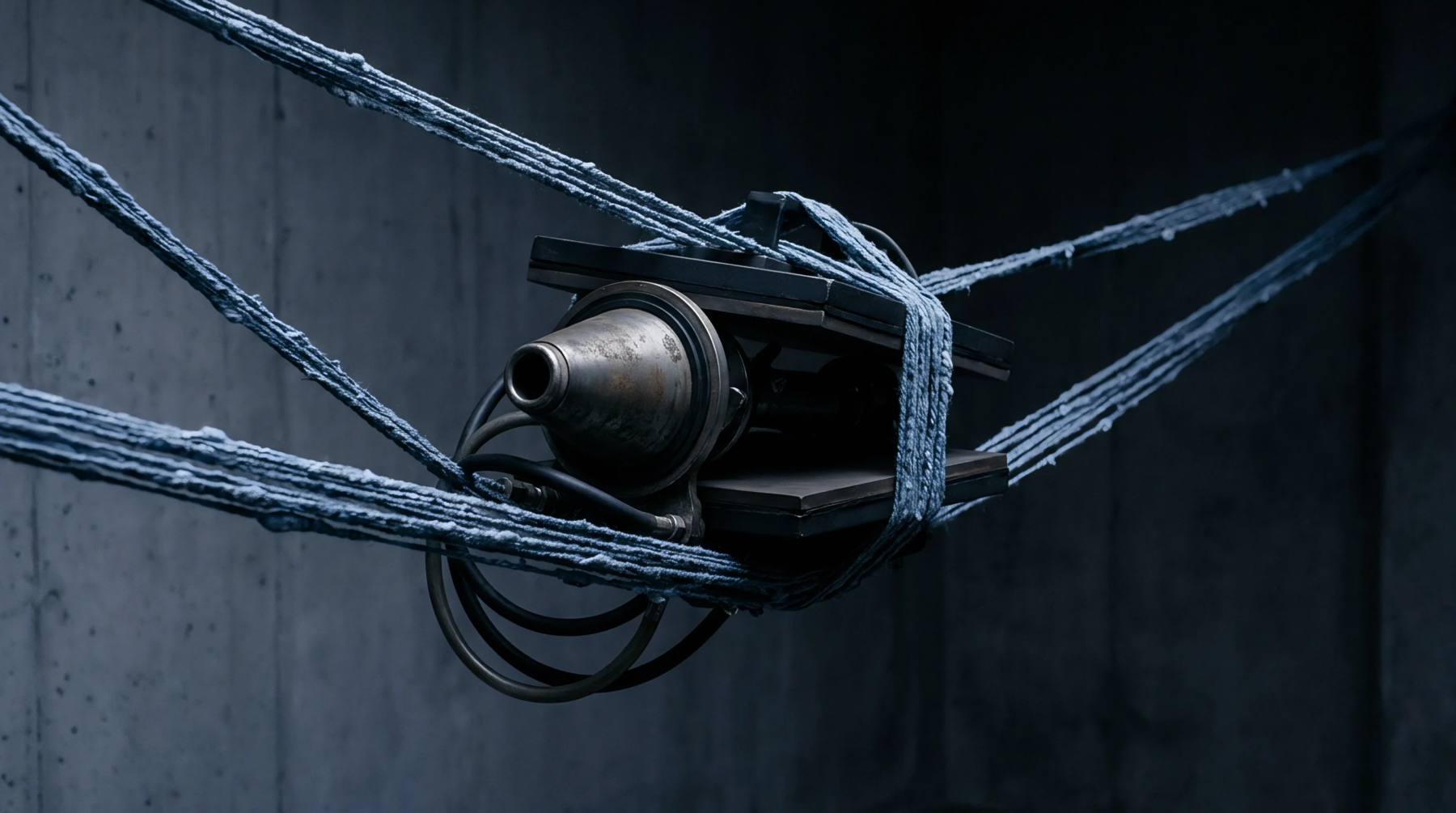
Texturizing machinery applies mechanical twisting and untwisting to synthetic filaments to generate crimp and elasticity. The false twist kinetic force acts on the running yarn as it passes through the friction aggregates, turning the individual filaments around their common axis. This dynamic action deforms the polymer structure while the fiber is in a highly plasticized state.
Controlled rotation is necessary to produce a uniform texture across the entire length of the yarn package.
Yarn Tension
Tension control during the process regulates the stability of the crimping effect and prevents yarn breaks. Monitoring the false twist kinetic force helps technicians detect fluctuations in yarn feed rates or friction disk wear. High forces lead to filament damage or yarn breakage on the machine, which reduces productivity.
Conversely, insufficient force results in poor crimp development and lower fabric stretch.
Thermal Setting
Thermal treatment locks the mechanical deformation into the fiber structure permanently. The yarn travels through a heater where high temperatures soften the molecular chains before the twist is removed.
Quality Control
In-line sensors track yarn parameters continuously to ensure consistent textured yarn output. These sensors monitor the twist level and alert operators when tension levels drift beyond the allowed tolerance. Maintaining a stable false twist kinetic force during texturizing ensures that the knitted or interlaced fabric made from these yarns does not suffer from barre or dye streaks.
This stability protects the commercial value of the produced fabric.