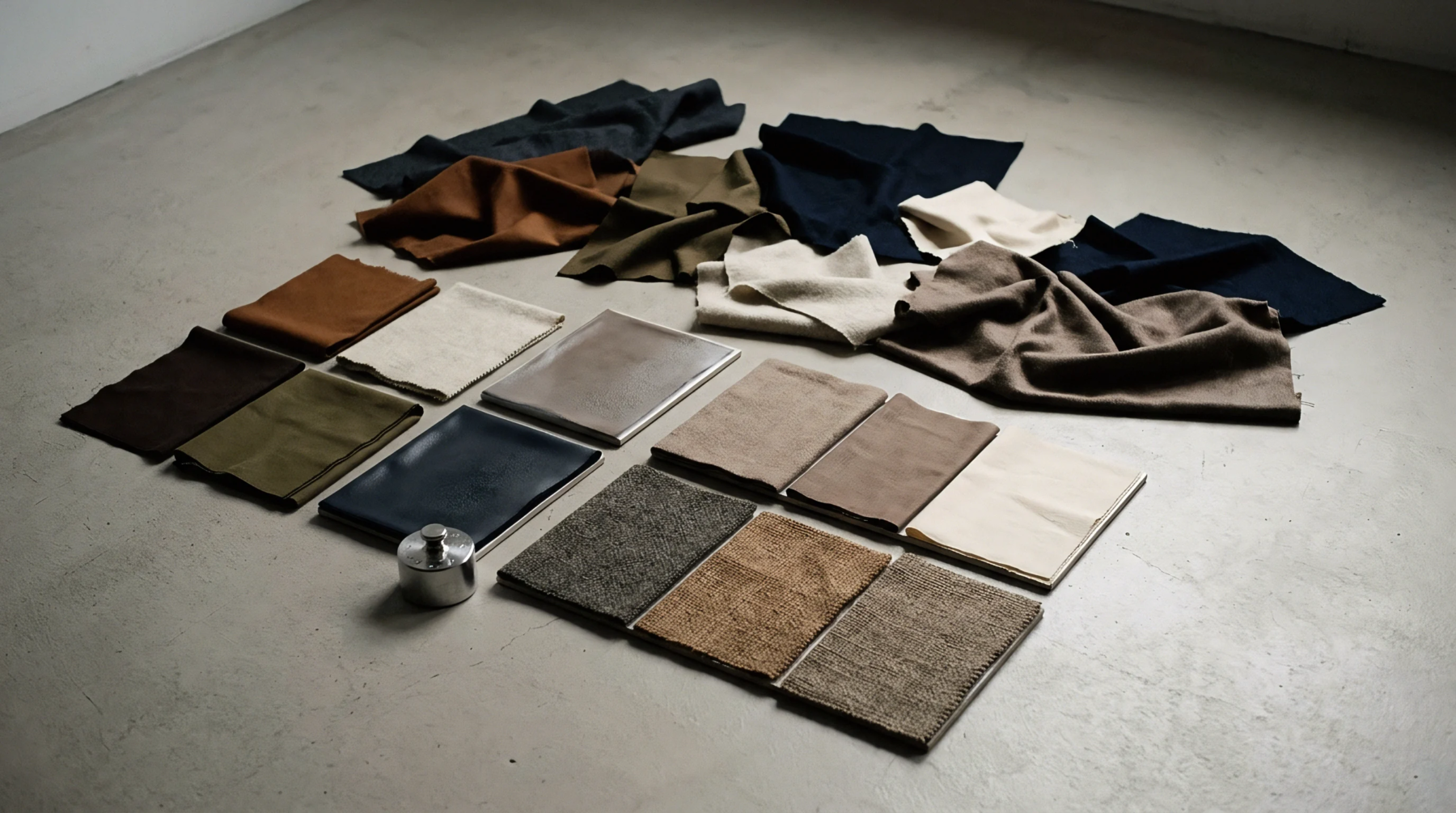
Density Metric
Quantitative measurement of fabric weight per unit area defines the commercial grade and substance of a textile product after all wet and dry finishing processes. Finished square meter mass accounts for the final count of warp and weft yarns as well as any added finishes or coatings. This value dictates the final cost and the suitability of the material for specific garment types.
Verification Standard
Laboratory technicians use a circular sample cutter to extract a precise specimen of one hundred square centimeters from the fabric roll. This sample is weighed on a calibrated electronic scale to the nearest thousandth of a gram and then multiplied by one hundred to determine the mass in grams per square meter. Results are compared against the buyer’s specification to ensure the mill has delivered the correct density.
Large deviations often result from excessive stretching or shrinkage during the stenter process.
Moisture Influence
Testing must occur under standard atmospheric conditions to account for the natural regain of hygroscopic fibres.
Production Compliance
Maintaining a consistent mass across the entire production lot ensures that garments made from different rolls will have the same drape and insulation properties. Variations in finished square meter mass lead to inconsistent garment sizing and shading. Mills adjust the overfeed on the stenter frame to bring the fabric within the allowed tolerance of five percent.