Moisture Removal
Moisture removal equipment utilizes heated circulating air to dry textile specimens to a bone-dry state before weighing. The process of forced draft desiccation ensures that all moisture is extracted from fiber samples under controlled temperatures, allowing an accurate determination of dry mass. This measurement is fundamental to calculating commercial regain and verifying the fiber blend percentages of a shipment.
Thermal Standard
Standard testing environments dictate the temperature and duration of the drying cycle based on the fiber type. For cotton and wool, the temperature is maintained at one hundred and five degrees Celsius to prevent thermal degradation while ensuring complete moisture expulsion. Synthetic fibers like polyester require shorter drying times because they absorb far less water than natural fibers.
Mass Calculation
Weighing occurs immediately after the drying cycle is complete using a sealed balance or desiccator. This prevents the bone-dry fiber from reabsorbing moisture from the surrounding laboratory air before the weight is recorded. The resulting dry mass is the baseline for all subsequent fiber composition calculations.
Drying Apparatus
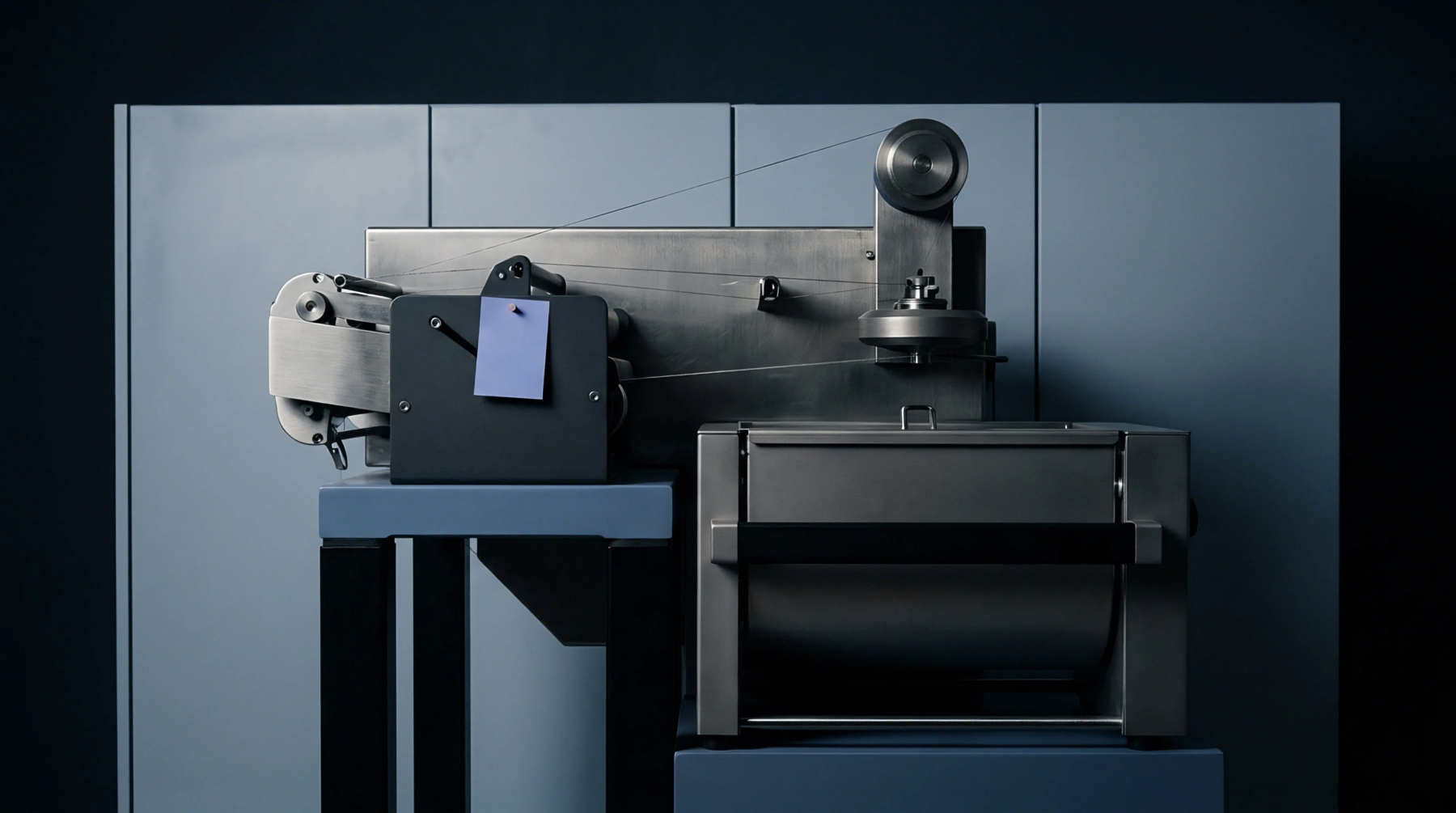
The drying oven contains a motorized fan that continuously forces heated air through the samples, accelerating the evaporation of bound water molecules from the fiber structure. This active circulation produces a much faster and more uniform drying action than a passive gravity convection oven. Without this continuous airflow, moisture pockets can remain trapped within dense fabric samples, resulting in artificially high dry-weight measurements.
Commercial testing facilities depend on this high throughput to process hundreds of fabric rolls every day.