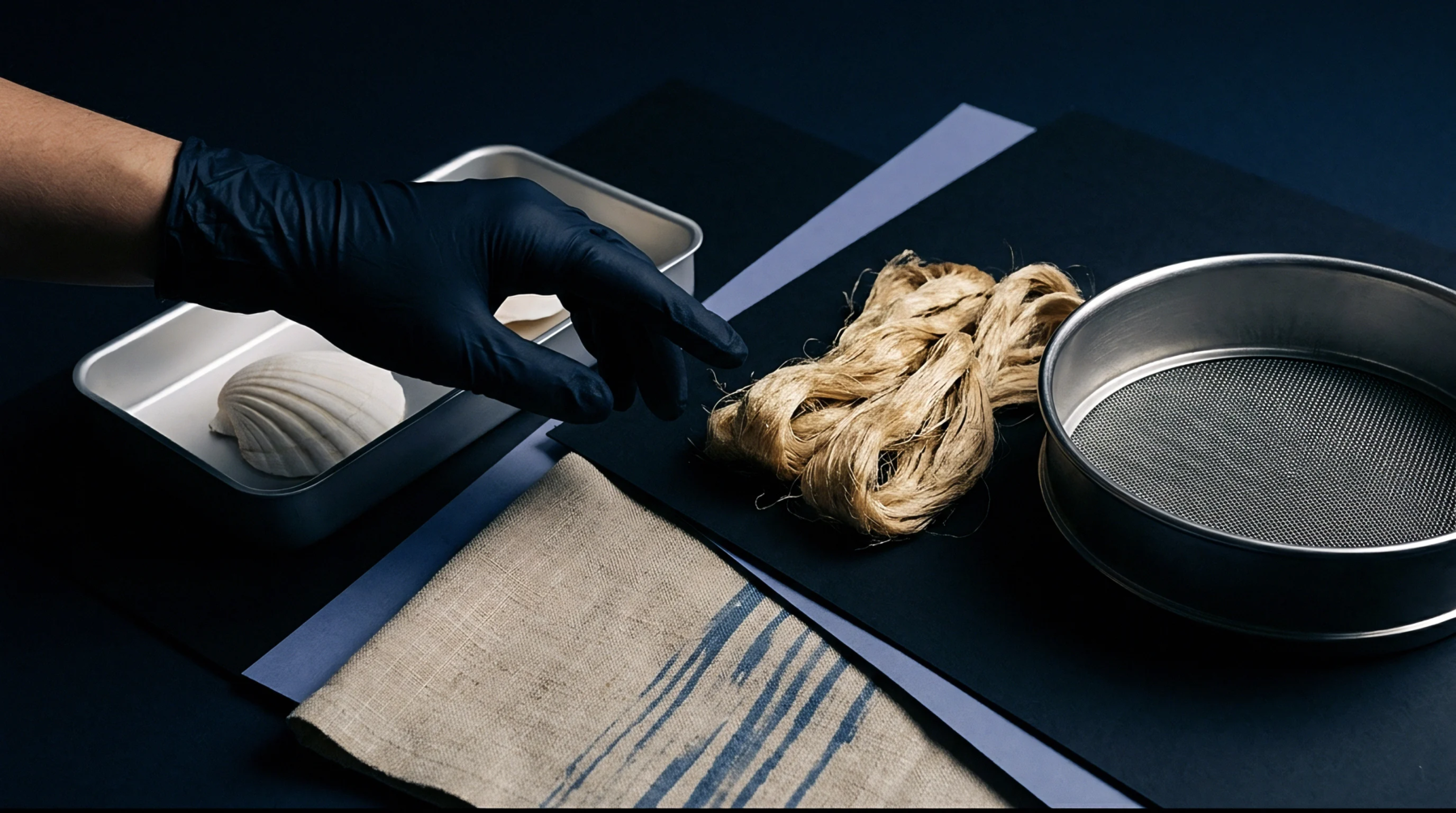
Thermal Breakdown
High-temperature chemical decomposition in a steam-enriched oxygen atmosphere converts bound organic halogen species into gaseous hydracids. The process of hydropyrolysis liberates fluorine from complex fluoropolymer matrices and organic finishes applied to technical textiles. Water vapor acts as a chemical reactant that prevents the formation of volatile organic fluorine intermediates during thermal breakdown.
The technique provides complete matrix destruction necessary for quantitative total fluorine determination in compliance testing.
Digestion Apparatus
Precision combustion units feature a quartz reaction tube enclosed within a multi-zone electric furnace. Automated mass flow controllers regulate oxygen and carrier gas streams, while dedicated water pumps inject superheated steam directly into the burning zone. Quartz combustion boats deliver prepared fabric samples into the furnace hot zone at controlled linear speeds.
Condensate collection vessels trap hydrogen fluoride gas in dilute alkaline solutions.
Matrix Breakdown
Synthetic polymers decompose completely at operating temperatures exceeding one thousand degrees Celsius. Carbon-fluorine bonds rupture under combined thermal stress and hydrolytic cleavage, which converts all present organofluorine into hydrogen fluoride gas. Silicates and inorganic additives remain in the combustion residue as stable oxides.
Complete gas phase conversion ensures that no fluorine remains bound to ash residues.
Analytical Outcome
Quantified fluoride ions in the condensed absorber solution reflect total fluorine content of the original fabric sample. Ion chromatography measures the resulting solution concentration against verified calibration curves. Results provide a definitive total fluorine metric for evaluating compliance with regulatory bans on organofluorine finishing treatments.