Standard Method
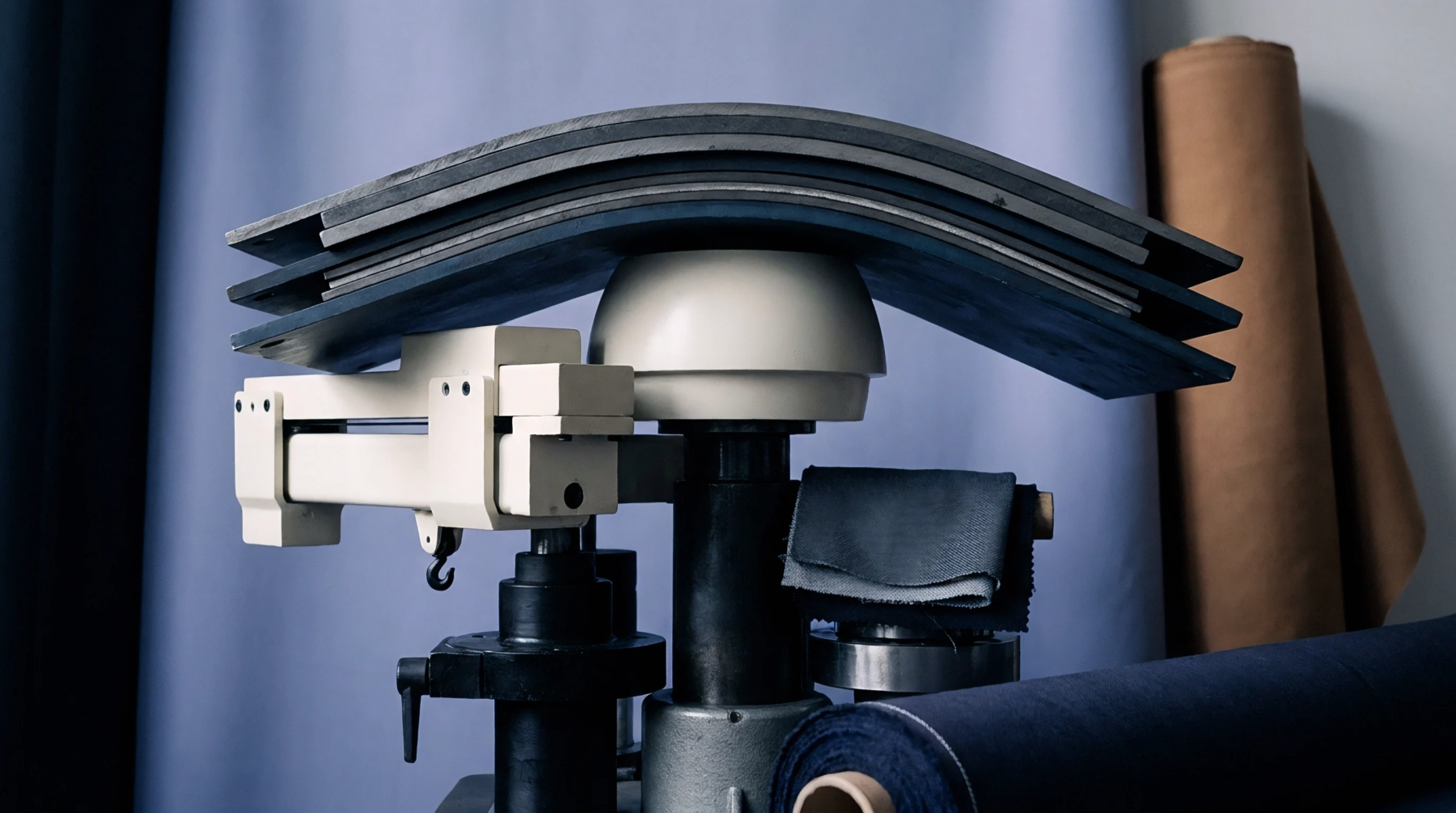
Laboratory tests evaluate the resistance of textile colors to rubbing under moist conditions. Adherence to iso 105 x12 wet crocking involves dragging a wet cotton cloth across a specimen. Transfer of pigment is rated.
Procedure Specification
Technicians use a motorized or manual crockmeter to ensure a consistent stroke length and downward pressure. During the iso 105 x12 wet crocking procedure, the moisture content of the rubbing cloth is precisely weighed to 65 percent of its dry mass. Uniformity in these variables prevents false failures.
Quality Benchmark
High scores in this test indicate that the dye is well fixed and the finish is stable. Failure in iso 105 x12 wet crocking often leads to a rejection of the entire fabric lot, as poor wet rub fastness results in color bleeding onto skin or other garments during wear. This metric is a standard requirement for major apparel retailers.
Material Interaction
Rough textures or raised surfaces like corduroy and denim pose the greatest challenge for achieving high ratings. Friction in iso 105 x12 wet crocking physically dislodges particles from the peaks of the fabric. Surface lubricants or softeners are sometimes applied to reduce this mechanical abrasion and improve the final grade.