Method Specification
This specific document establishes a standardised laboratory procedure for evaluating colour fastness to ozone in low humidity atmospheres, applying strictly to dyed textile fabrics of all types and construction stages. ISO 105-Z06 governs the exposure of specimens inside a sealed chamber where ozone concentration and relative humidity are maintained under controlled parameters until a predetermined colour change occurs. The standard ceases to apply when testing finishes that react primarily to high moisture levels or atmospheric oxides of nitrogen rather than direct ozone exposure.
Laboratories verify batch compliance against commercial specifications by comparing tested specimens with standard grey scales under artificial daylight sources.
Chamber Mechanics
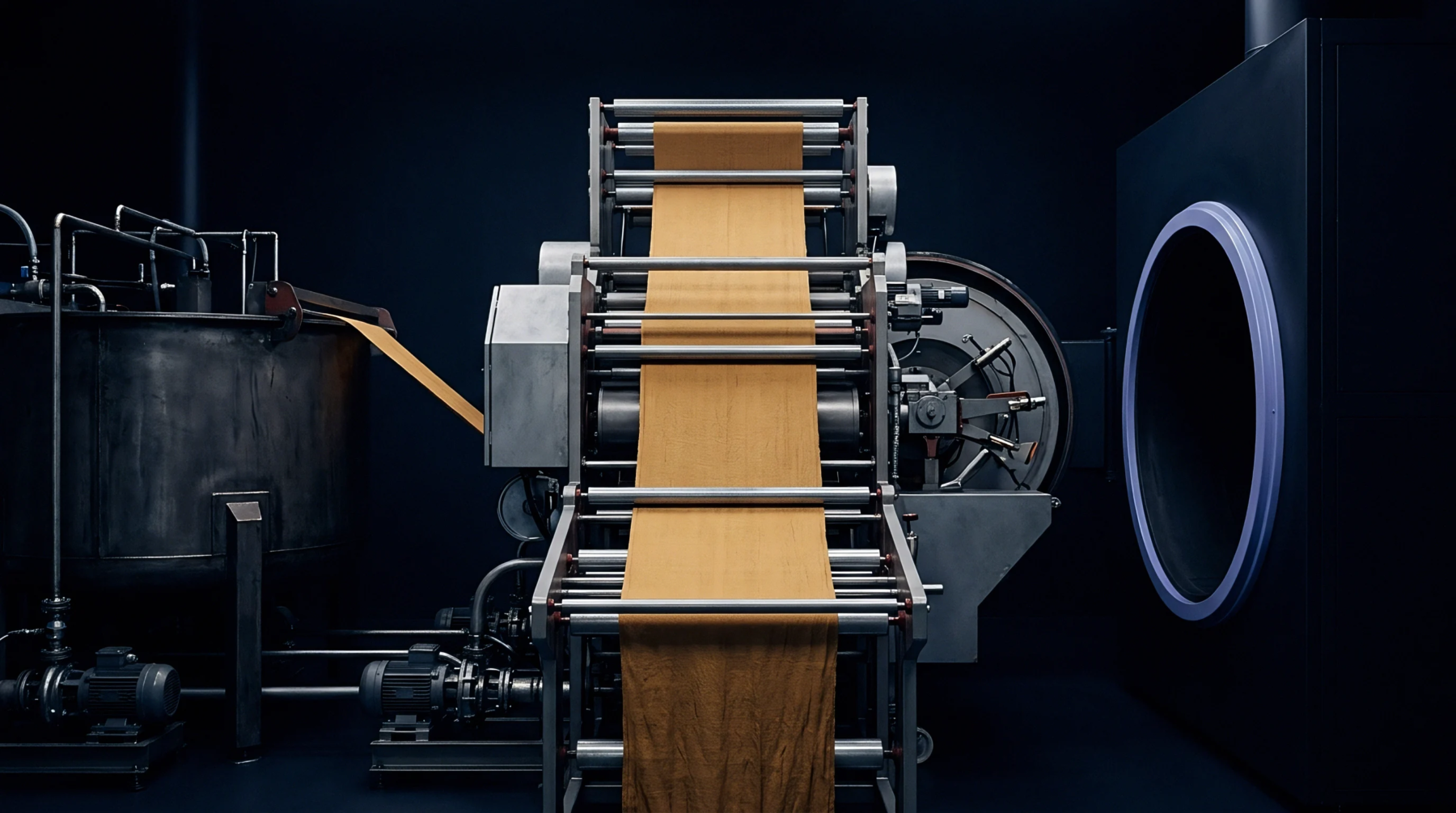
Enclosed testing units circulate air past an electrical discharge generator to produce specific ozone levels, maintaining uniform gas distribution across suspended textile samples. Internal fans prevent boundary layer accumulation around fibres while continuous sensors monitor atmospheric concentration inside the sealed enclosure. Regulators adjust humidity levels by mixing dry air with a saturated vapour stream before injection into the main chamber circuit.
Specimen holders rotate constantly to expose all fabric surfaces equally to the oxidising gas throughout the entire duration of the test cycle. Operators record chamber temperature and relative humidity continuously to ensure test conditions remain within established operational tolerances.
Colour Degradation
Oxidising gases attack dye molecules directly within the fibre matrix, breaking chromophore bonds and causing visible shade alterations on sensitive apparel items. Disperse dyes applied to polyester often demonstrate high resistance during this exposure, whereas direct dyes on cellulosic fibres frequently exhibit severe tone shifting. Retailers reject garment shipments when laboratory assessments reveal colour alterations exceeding agreed grey scale ratings after specified exposure intervals.
Technicians evaluate the degree of fading by comparing exposed samples against unexposed controls under standardised lighting conditions in a light box.
Supply Verification
Sourcing managers demand certified test reports from independent testing houses before authorising bulk production runs for sensitive retail collections. Mills execute these evaluations during pre-production sampling to identify vulnerable dyestuff combinations prior to large scale dyeing operations. Brand quality manuals specify minimum acceptable ratings for specific end use categories such as automotive interiors and outdoor garments.
Verification at this final commercial checkpoint prevents costly chargebacks and retail returns resulting from atmospheric fading during storage and display.