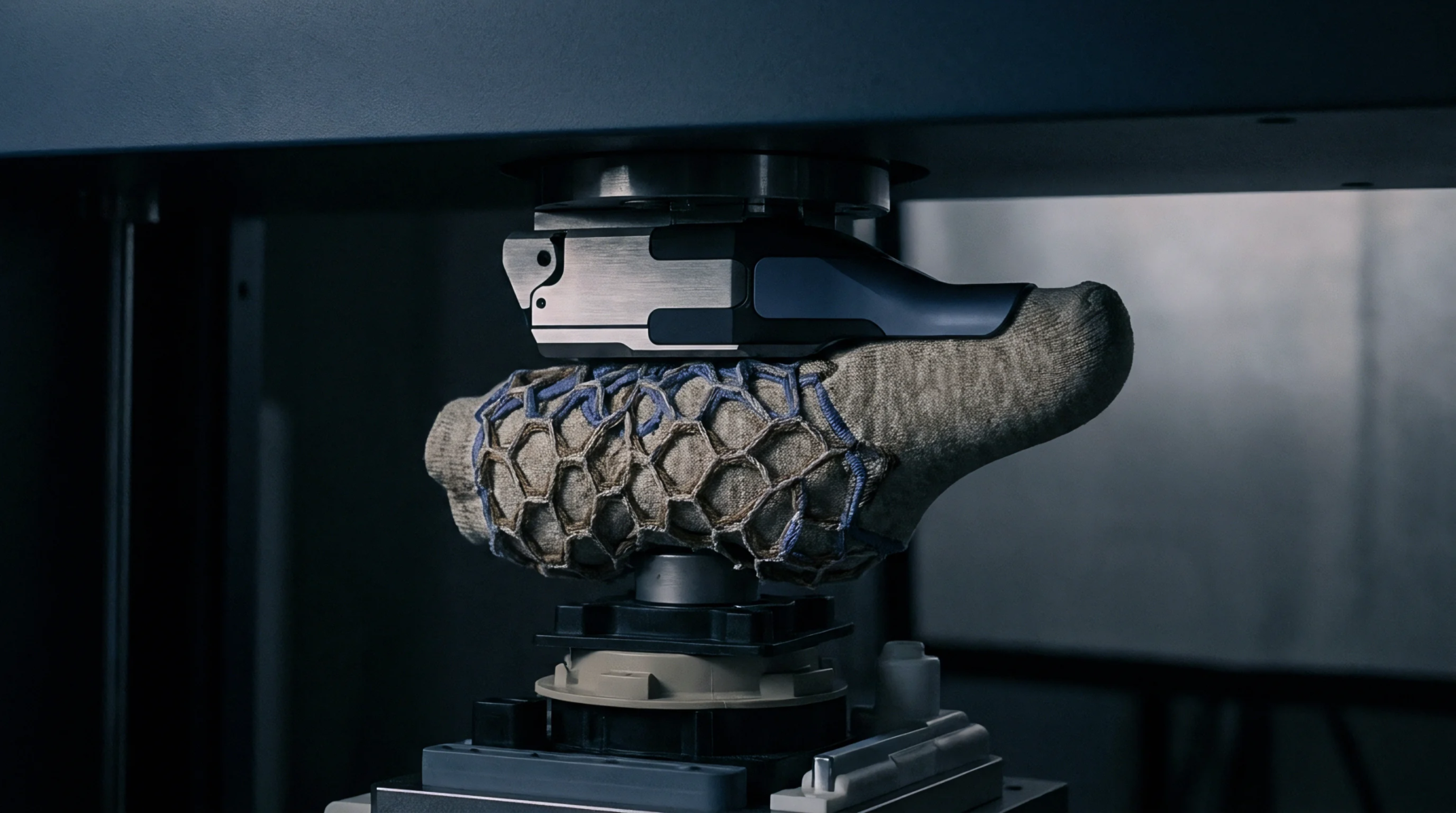
Validation Protocol
Competence verification defines the formal recognition granted to an analytical testing facility for specific soft goods evaluations. ISO/IEC 17025 Accreditation validates the technical capability of a commercial laboratory conducting tensile strength tests on woven apparel fabrics and colour fastness assessments on dyed yarn lots. External auditing bodies evaluate the calibration records of equipment like universal testing machines and spectrophotometers against strict international standards.
The evaluation halts at the laboratory threshold, leaving downstream garment assembly plants and retail distribution centres outside its direct jurisdiction.
Competence Verification
Technical competence depends upon documented traceability of measurements to national mass and length standards during commercial fabric testing. ISO/IEC 17025 Accreditation requires every load cell and optical sensor in a mill laboratory to undergo periodic calibration by certified metrology providers. Uncertainty budgets calculated for shrinkage tests on cotton knits prove that personnel execute procedures without introducing systematic error.
Proficiency Testing
Interlaboratory comparison programs provide the statistical proof needed to maintain analytical credibility for technical textile properties. ISO/IEC 17025 Accreditation mandates participation in blind round robin testing where multiple facilities measure identical polyester filament samples. Outliers discovered during these trials trigger immediate root cause investigations into operator technique or environmental controls inside the testing room.
Traceability Chain
Unbroken calibration chains separate accredited laboratory data from unverified mill claims regarding finished garment performance. ISO/IEC 17025 Accreditation establishes the legal validity of test reports presented during trade disputes over seam failure or chemical residue limits. Regulatory authorities accept these certified documents without repeating the physical testing protocol.