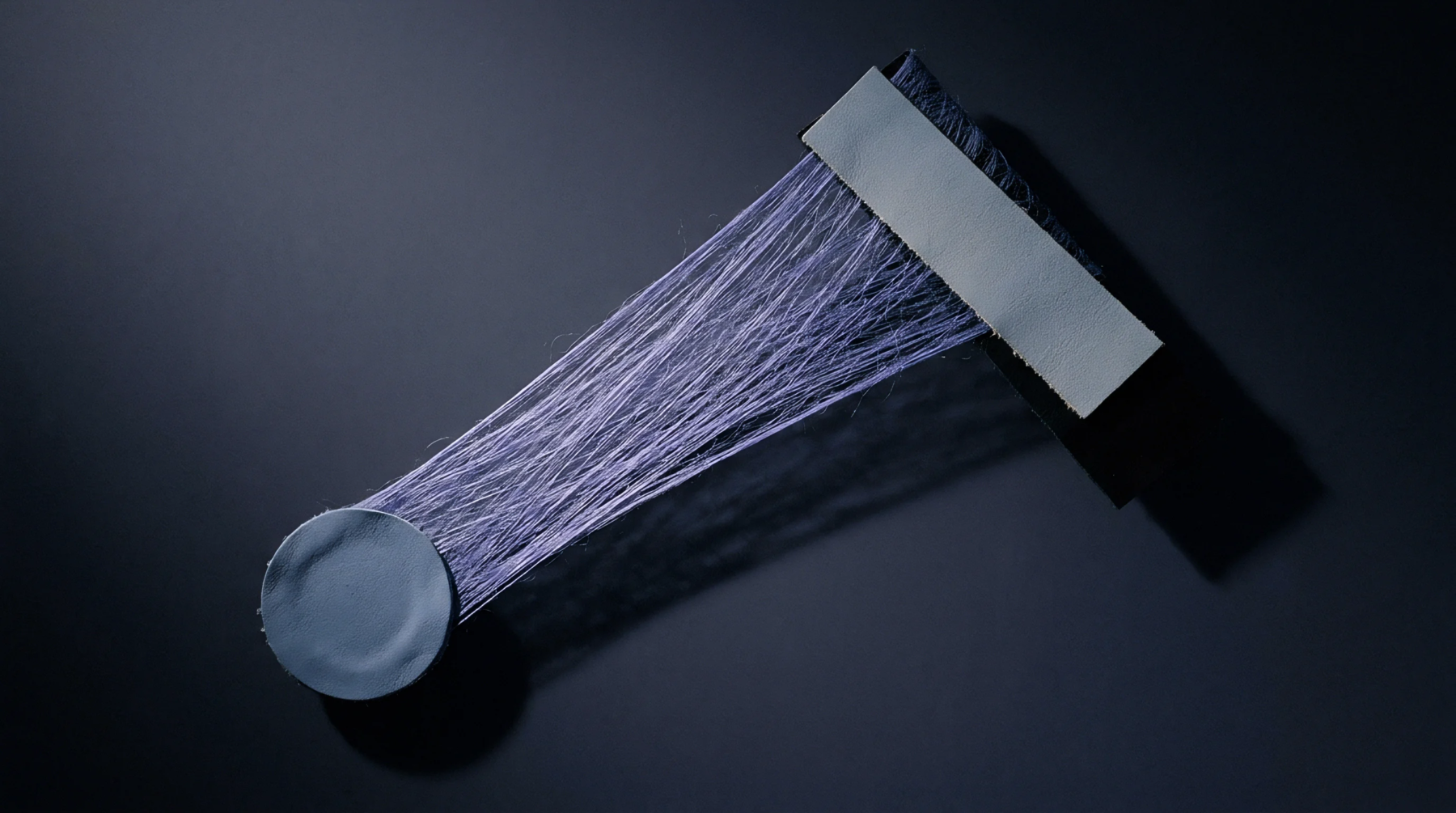
Protein Architecture
Animal fibre modification begins with keratin polymer extraction from slaughterhouse wool waste, yielding a high-purity protein powder used to coat commercial wool yarn. Processing mills apply this treatment via aqueous immersion during the scouring stage, bonding amino acid chains to the outer cuticle scales of untreated sheep fleece. Commercial buyers verify the application using amino acid analysis at the finished goods checkpoint before certifying the yarn for luxury knitwear export.
Molecular Binding
Chemical cross-linking agents attach the protein chains to the underlying wool cortex through peptide bond formation. Reaction temperatures must remain below sixty degrees Celsius to prevent thermal degradation of the natural disulphide bonds within the raw wool substrate. Testing laboratories measure the resulting tensile strength gain on conditioned yarn samples pulled on constant rate of extension dynamometers.
Surface Modification
Friction coefficients drop noticeably once the treatment fills the microscopic gaps along the fibre scales. Dyers exploit this smoothness during subsequent yarn package dyeing because liquor circulation improves evenly through densely wound bobbins. Finishing supervisors track dye exhaustion rates closely to prevent surface precipitation of the protein treatment inside the main circulation kier.
Durability Limits
Abrasion resistance improves on standard Martindale testing apparatus up to forty thousand cycles before surface pill formation begins on knitted fabrics. Commercial warranties on treated garments apply only when laundering temperatures stay under thirty degrees Celsius and neutral pH detergents are used throughout the consumer care cycle. Excessive alkalinity hydrolyses the added protein layer and strips the modified surface back to the untreated wool baseline.