Geometric Densification
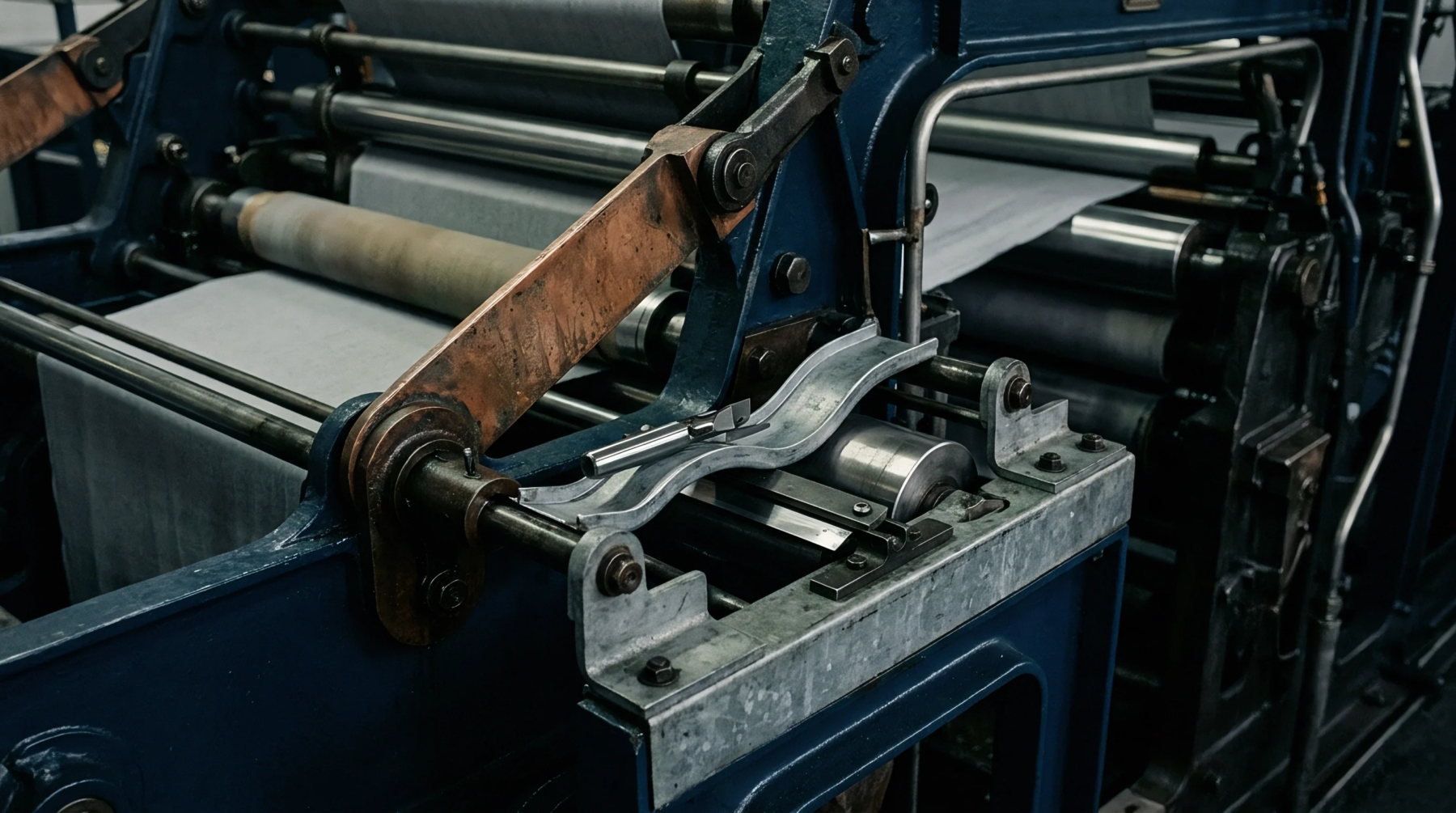
Mechanical forces applied during the finishing process reduce the space between individual stitches in a knitted fabric to increase its density. This action, called loop compaction, is often achieved through compressive shrinkage machines that use rubber belts or heated rollers to push the loops closer together. It serves to stabilize the fabric and improve its resistance to stretching during use.
Stitch Geometry
Changing the shape of the loops from an elongated oval to a more rounded or compressed form alters the physical properties of the knit. Loop compaction increases the weight per square meter and reduces the air permeability of the material. This process also helps to lock the yarn in place, which reduces the risk of spirality or twisting in the finished garment.
If the stitches are overly compressed, the fabric can lose its natural drape and become too rigid for comfortable wear.
Resilience Limit
Every knit structure has a maximum capacity for densification before the yarns begin to crush or the fabric becomes too stiff. Exceeding this boundary can lead to a harsh handle or a loss of the natural elasticity that defines knitted goods.
Shrinkage Control
By pre-contracting the stitches in the factory, the mill reduces the amount of residual energy left in the fabric. Effective loop compaction ensures that the garment maintains its original dimensions after multiple home laundry cycles.