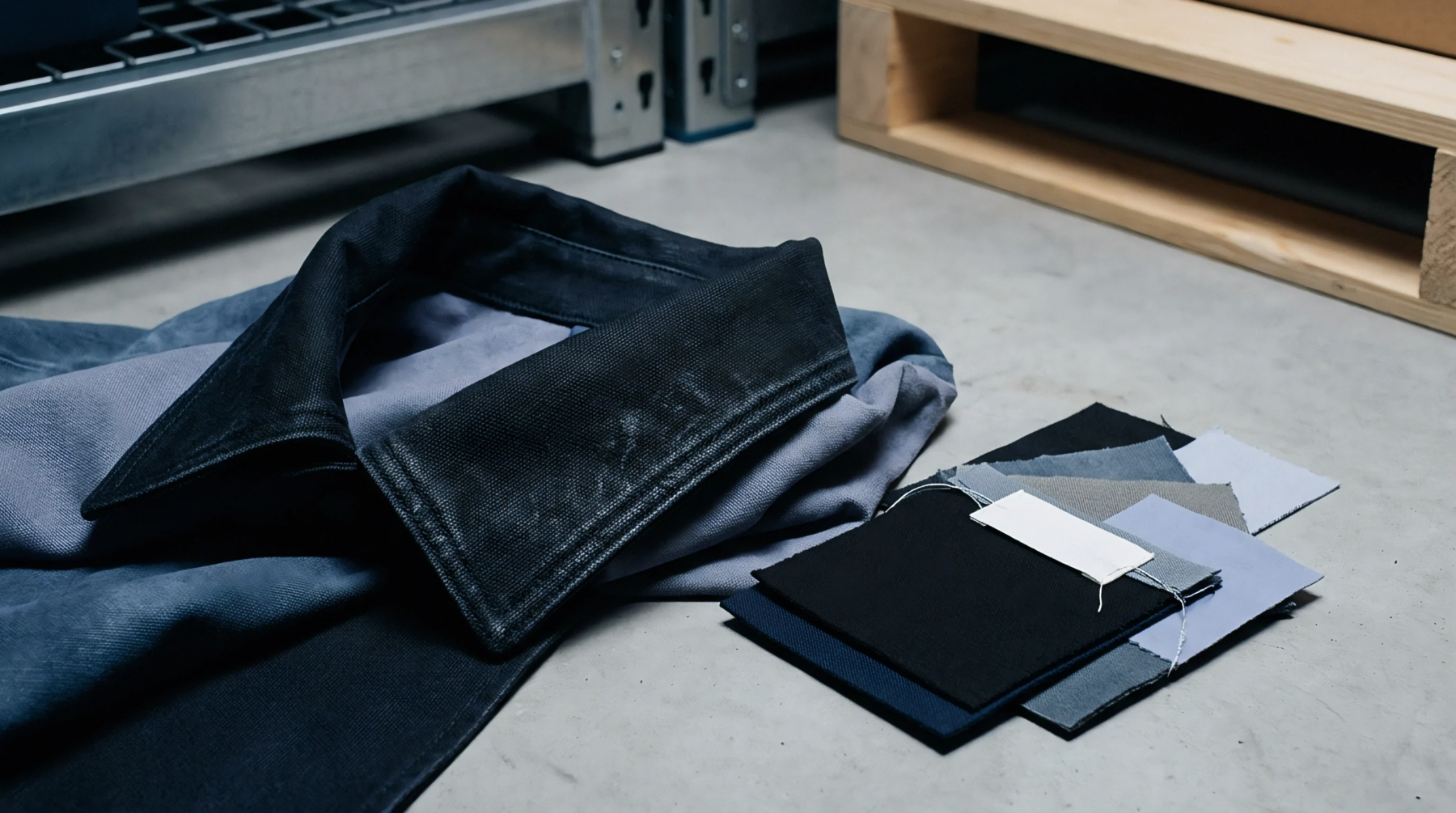
Standard Salt Dosing Schedules for Reactive Dyeing Heavy Cotton Canvas
Progressive exponential salt dosing prevents surface strike spikes and forces reactive dye penetration into heavy cotton duck yarn cores.
Solidification reaction occurring in a dye bath when dissolved magnesium ions react with alkali to form insoluble hydroxide or carbonate deposits. Magnesium precipitation is a common issue in textile mills that use water from hard sources without proper treatment. These solid particles can settle on the fabric and create white or grey stains that are difficult to remove.
The reaction is triggered when the pH of the bath is raised to the levels required for reactive dyeing. Effective water management is the only way to prevent this chemical failure.
Insoluble magnesium compounds have a strong affinity for the surface of cotton fibres and polyester yarns. When magnesium precipitation occurs, the solids act as a physical barrier that prevents dye molecules from reaching the fabric. This results in pale spots or a cloudy appearance in the finished textile.
The particles can also become trapped in the interstices of the yarn and cause a harsh, sandy handle. In some cases, the precipitate can cause friction during the winding or weaving process and lead to yarn breakage. The presence of these solids in the machine can also lead to the build-up of scale on the internal pipes and heating elements.
This scale reduces the efficiency of the heat transfer and can eventually flake off into the bath. Sequestering agents are added to the dye liquor to keep the magnesium ions in a soluble complex. These chemicals are designed to work at high pH levels where the risk of precipitation is greatest.
However, the best practice remains the complete removal of the minerals during the initial water softening stage.
Regular monitoring of the water hardness is the primary defense against the risks of mineral deposits. If the mill detects an increase in the magnesium concentration, the regeneration frequency of the water softeners must be increased. Laboratory tests are performed on each batch of processed water to ensure it meets the required standards for dyeing.
In some regions, the mineral content of the water can change with the seasons, requiring constant adjustment of the treatment process. High-purity salts are also used to ensure that no additional magnesium is introduced into the bath through the electrolytes. Modern dyeing machines are equipped with self-cleaning filters that can help to remove some of the solids before they reach the fabric.
Nevertheless, if the precipitation is widespread, the entire batch may need to be treated with acid to dissolve the minerals.
Uncorrected mineral issues lead to a high rate of garment rejections and financial losses for the factory. Magnesium precipitation is often only discovered after the fabric has been dried and inspected, which is too late to make easy corrections. The cost of stripping the dye and re-dyeing the fabric is much higher than the cost of proper water treatment.
Quality control teams use chemical indicators to identify the presence of magnesium on the fabric surface during the inspection stage. Consistent water quality is necessary to maintain the high standards required by international apparel brands. Reliable production depends on the elimination of these reactive minerals from the dye house environment.
Progressive exponential salt dosing prevents surface strike spikes and forces reactive dye penetration into heavy cotton duck yarn cores.
Expertise is a utility, not a secret. sentiention™ publishes its working knowledge as open reference: intelligence layer covering the materials it sources, the markets it enters, and the reference that serves both.